
Barber Answers
What Is a Dry Haircut, and When Is It Better Than Cutting Wet?
Short answer: A dry haircut is one where the hair is cut in its natural, dry state instead of being wetted first, so the barber shapes it exactly as it will sit when you wear it. It is the preferred method for curly, coily and wavy hair, and useful for textured styles and stubborn cowlicks. Wet cutting still wins for straight hair that needs precise lines, such as a sharp side part or a blunt fringe.
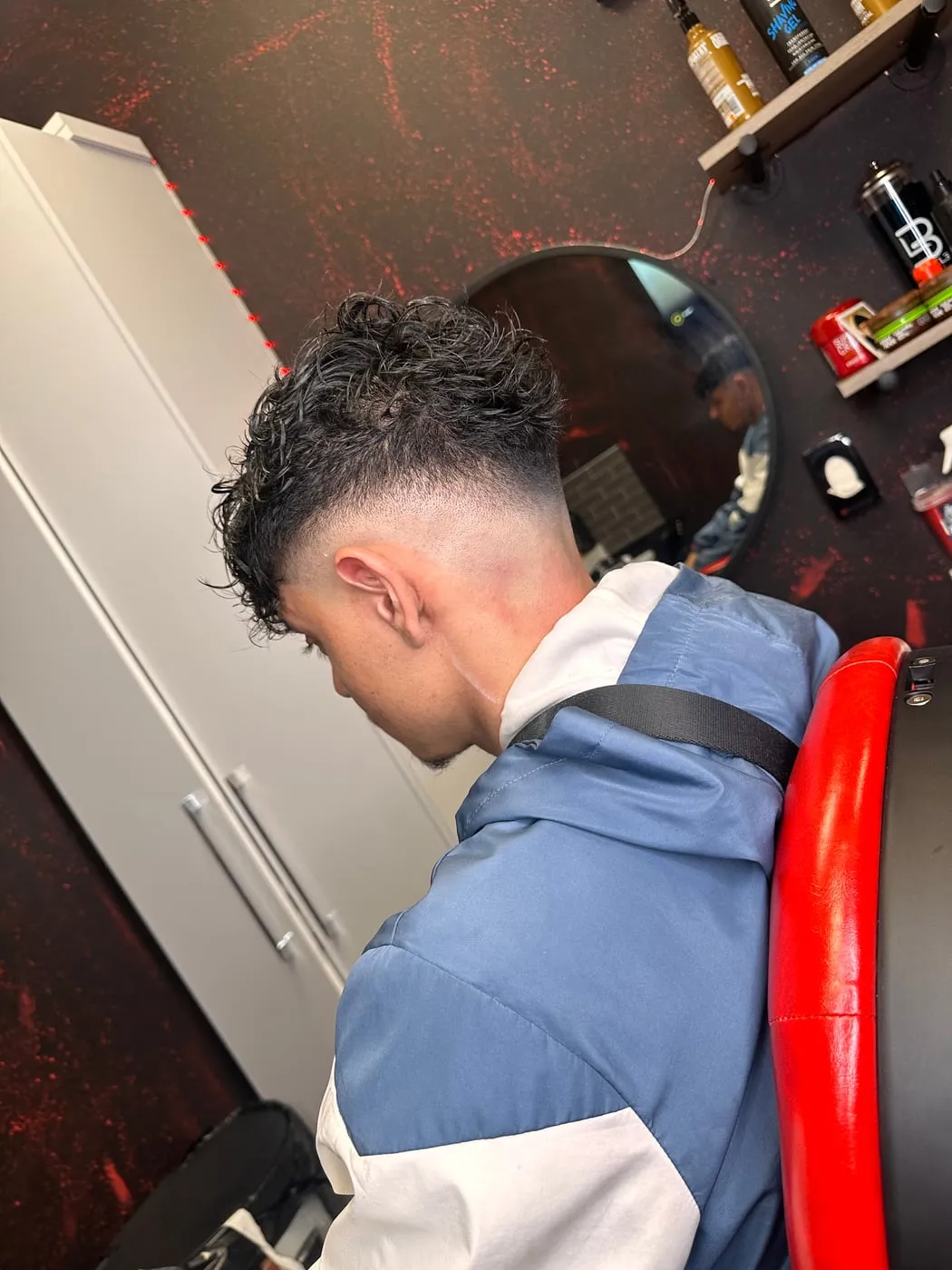
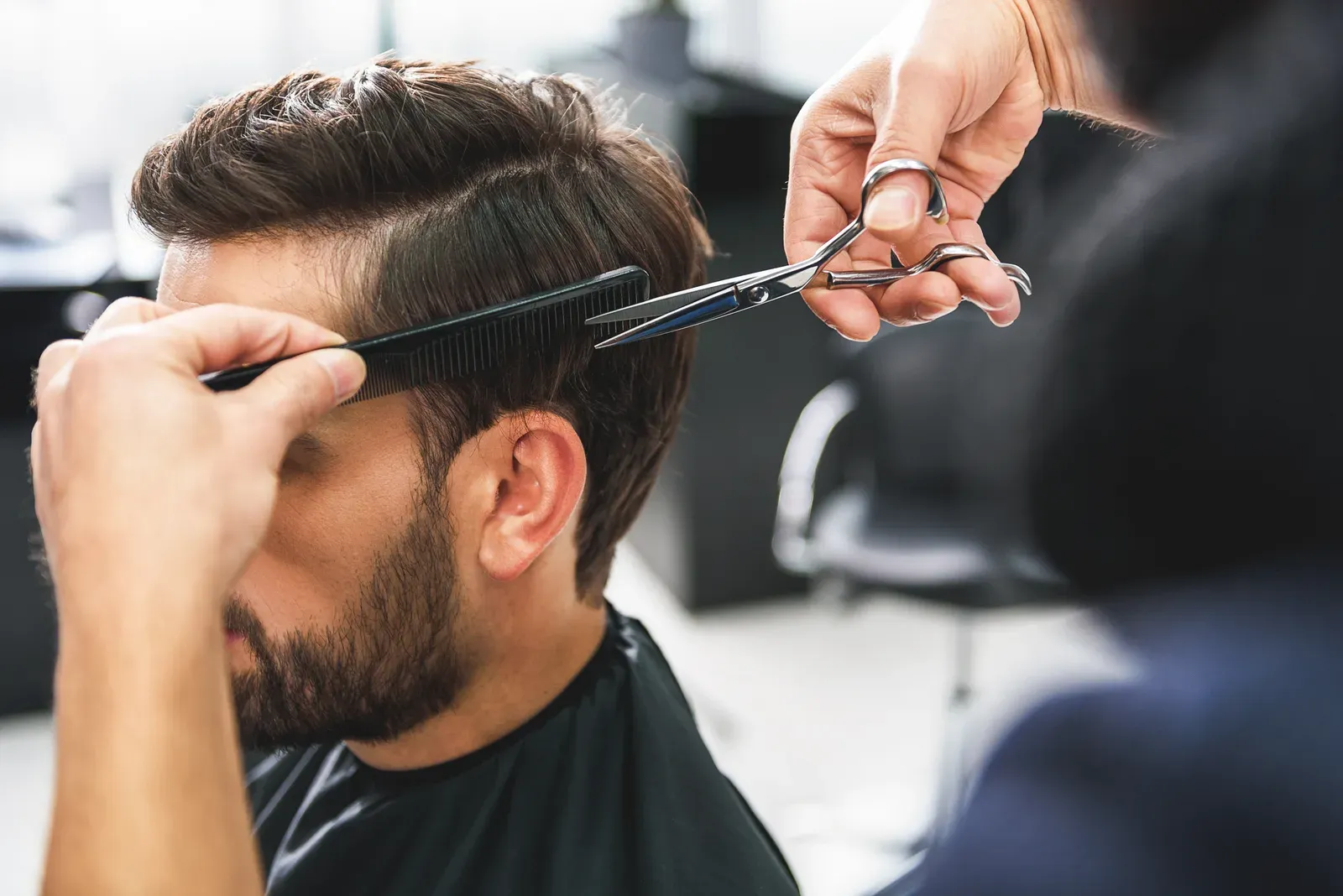
Dry cutting shapes the hair you actually wear
The logic of a dry cut is simple: most people never wear their hair wet, so why cut it that way? Dry hair shows its real volume, how each section falls, where it springs up and where it lies flat, and a barber cutting it can see the final outline with every snip.
Much of a barbershop cut is dry already, because clipper fades and tapers are blended on dry hair. What people usually mean by a dry haircut is the scissor work on top and around the outline, which in a traditional cut would be done after spraying or washing.
Which hair types gain the most from it
Dry cutting helps most where wet hair behaves very differently from dry hair. The more your hair changes shape as it dries, the more a dry cut is worth asking for.
- Tight curls and coils: they can look much shorter dry than wet, so cutting dry prevents taking too much. Our guide to haircuts for curly hair goes into shrinkage by curl type.
- Loose waves: waves that vanish when wet reappear as they dry, and a dry cut places weight where the wave needs it.
- Thick, bulky hair: dry hair shows exactly where volume builds up, so thinning and texturizing can target it.
- Cowlicks and double crowns: a swirl that lies flat when wet pops up dry, and a dry cut leaves enough length to control it.
- Messy textured styles: crops and fringes cut with point-cutting look more natural when the texture is visible.
Techniques you will see in a dry cut
Dry cutting uses different scissor techniques from the classic wet, combed-and-held method. Rather than pulling sections straight and cutting a clean line across, the barber works with the hair's natural direction and clumps.
Point cutting, where the scissor tips cut into the ends vertically, softens edges and adds texture. Curl-by-curl shaping trims individual curl groups to build a rounded outline. Slide cutting and freehand detailing refine weight without leaving blunt lines. For more on those texture methods, see what texturizing means.
Dry cut versus wet cut at a glance
Neither method is better across the board; each suits a different job, and many barbers mix them in the same appointment. Here is how they compare.
| Dry cut | Wet cut | |
|---|---|---|
| Shows | Real volume, texture and shrinkage | Hair stretched to full length |
| Precision of straight lines | Softer | Sharper and easier to hold |
| Best for | Curly, wavy, thick, textured styles | Straight hair, parts, blunt fringes |
| Main risk | Product or oil makes hair clump unevenly | Cutting curls or waves too short |
| Common techniques | Point cutting, curl-by-curl, freehand | Scissor-over-finger, comb-held sections |
When a wet cut is the smarter choice
Wet cutting remains the better method for fine or straight hair that needs crisp, geometric shapes. A side part with a hard edge, a slick back, an Ivy League or a heavy blunt fringe all rely on even tension and clean sections, which damp hair provides.
Wet or at least misted hair is also helpful when hair is full of product, because sticky wax or clay makes dry hair clump into false shapes. Our page on why barbers spray water on your hair explains the control that water gives on straight hair.
How to prepare for a dry haircut
Arrive with hair washed a day before, fully dry, and styled the way you usually wear it, with a light version of your normal product if you use one. That lets the barber see the real shape, not a freshly washed version that sits bigger or flatter than usual.
At Markcutit, you book a dry cut as Haircut Only and mention it in the consultation; Marcel Shabo's texture work and scissor cuts are a good fit if your hair is curly or wavy. After the cut, every service still includes a hair wash, hot towel and head massage, and the barber restyles your hair so you can see the result dry again. See our scissor cuts service for more.
What is a dry haircut: common questions
Is a dry haircut more expensive?
Not as a rule. At Markcutit it is simply a Haircut Only booking, and prices are shown on Booksy.
Can a fade be done as a dry cut?
Yes. Clipper fades are almost always blended on dry hair, and the top can be cut dry too if your hair is curly or textured.
Why did my barber cut my hair wet first and then dry?
Some barbers remove length wet for control, then refine the shape dry to check how it really falls. It combines the precision of one with the realism of the other.