
Barber Answers
What Is a Razor Fade? The Smoothest Finish a Fade Can Have
Short answer: A razor fade is a fade whose shortest section is finished with a straight razor or a foil shaver, so the bottom of the blend is genuinely smooth skin instead of the faint stubble a clipper leaves. The rest of the fade is built with clippers and guards as usual; the razor only works the lowest band. It gives the cleanest contrast of any fade but grows back the fastest and is harder on sensitive or bump-prone skin.
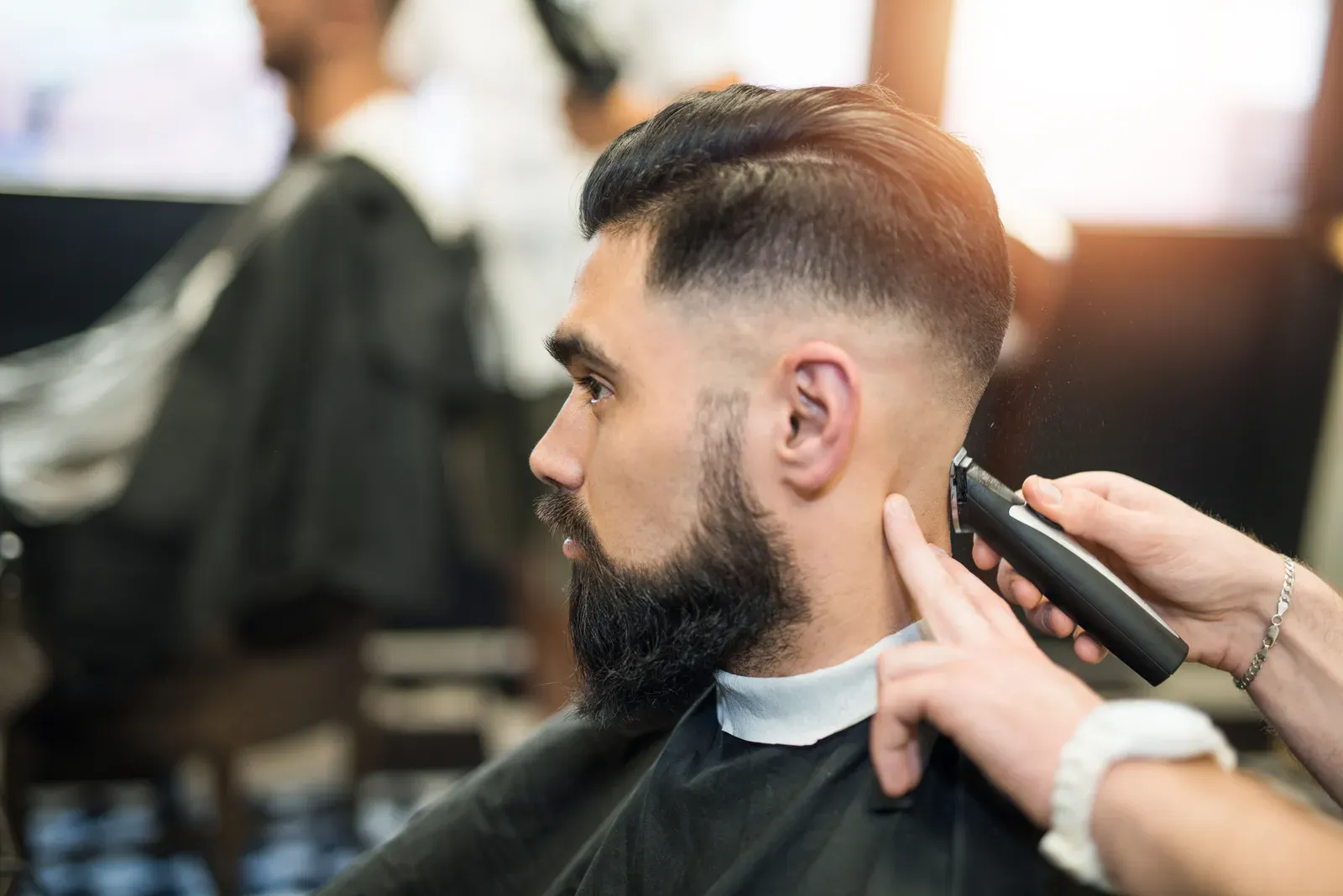
The razor only touches the bottom of the fade
In a razor fade, everything above the lowest few centimetres is cut exactly like any other fade: a guideline, then longer guards stepping up to meet the top. The razor comes in at the end, working only below the guideline where the clippers have already taken the hair as short as a blade can.
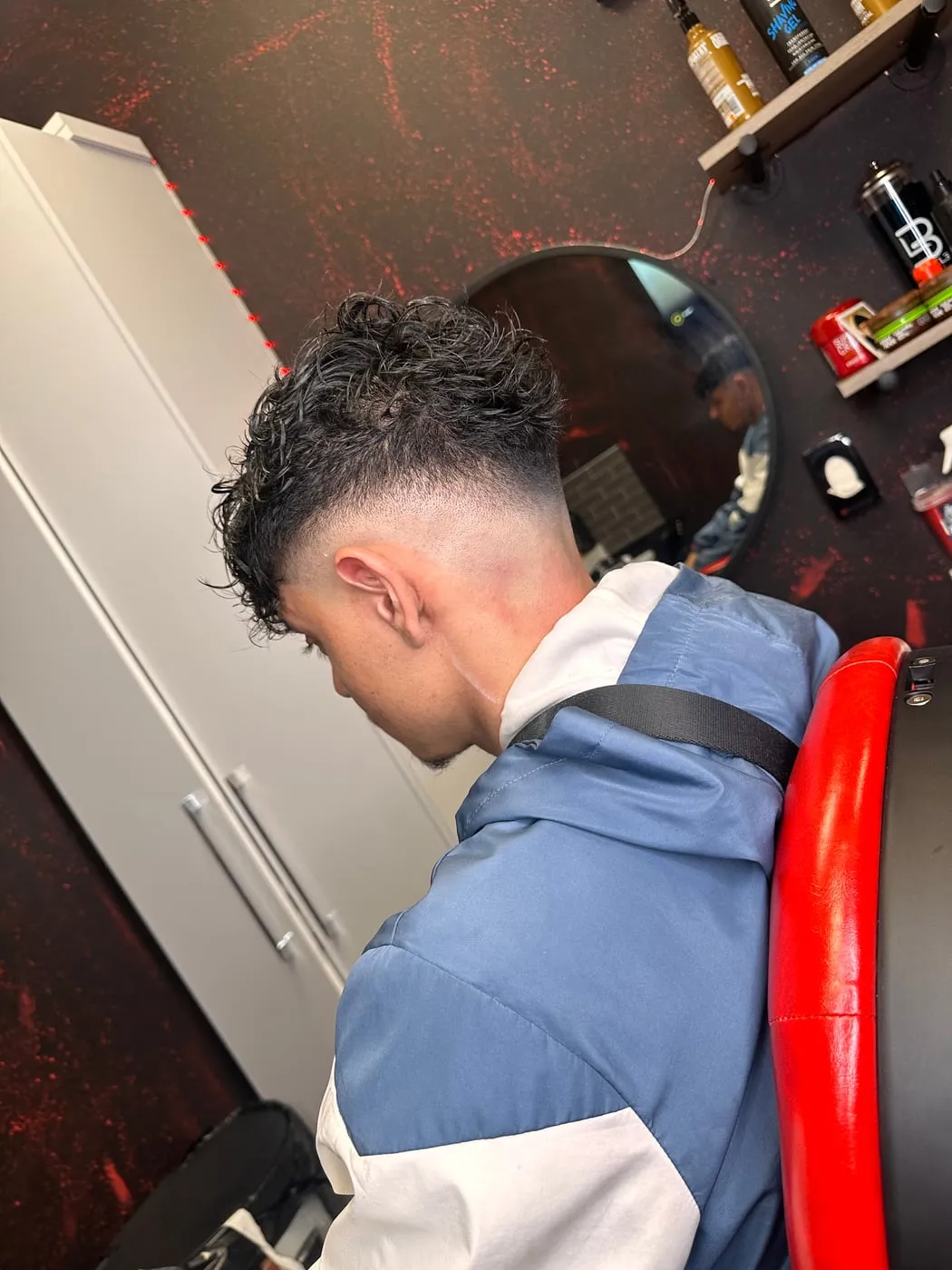
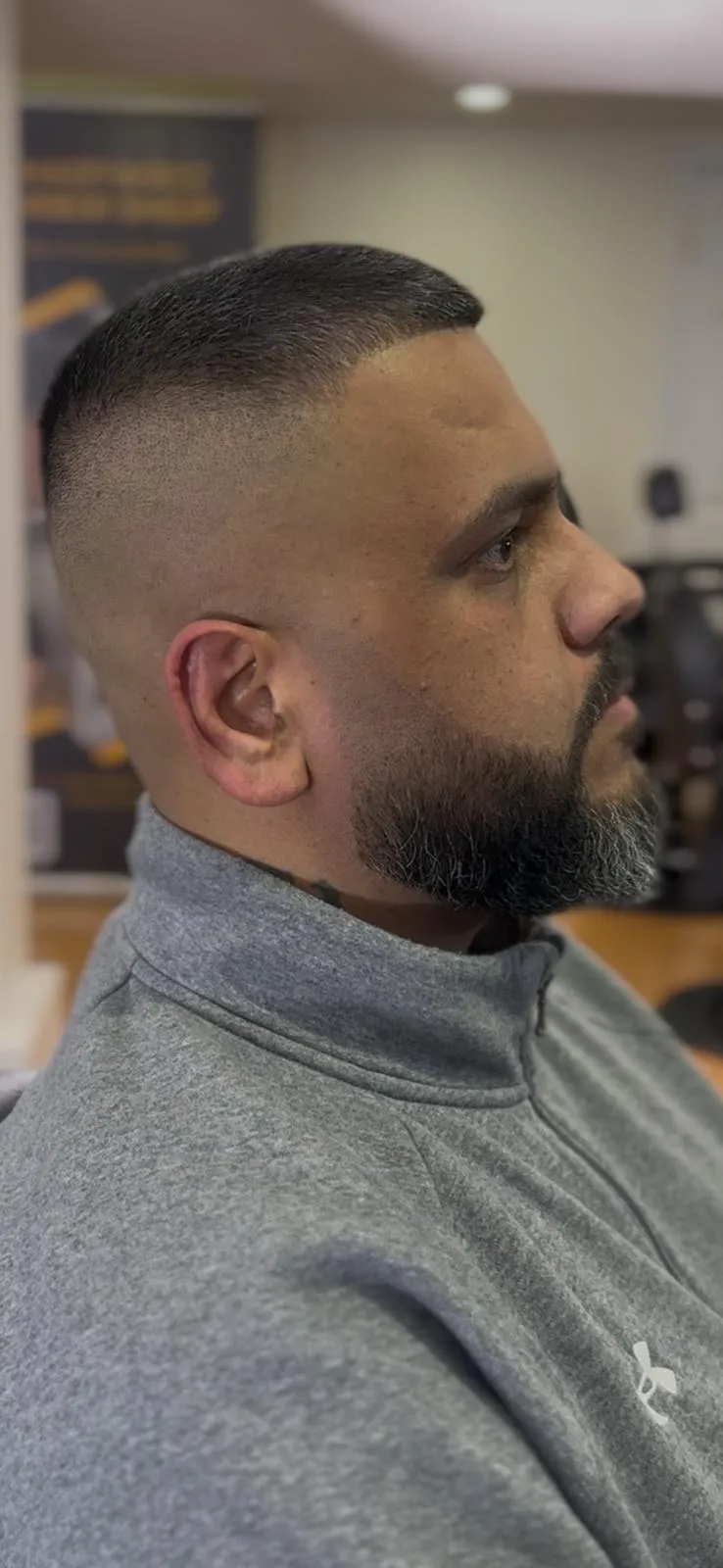
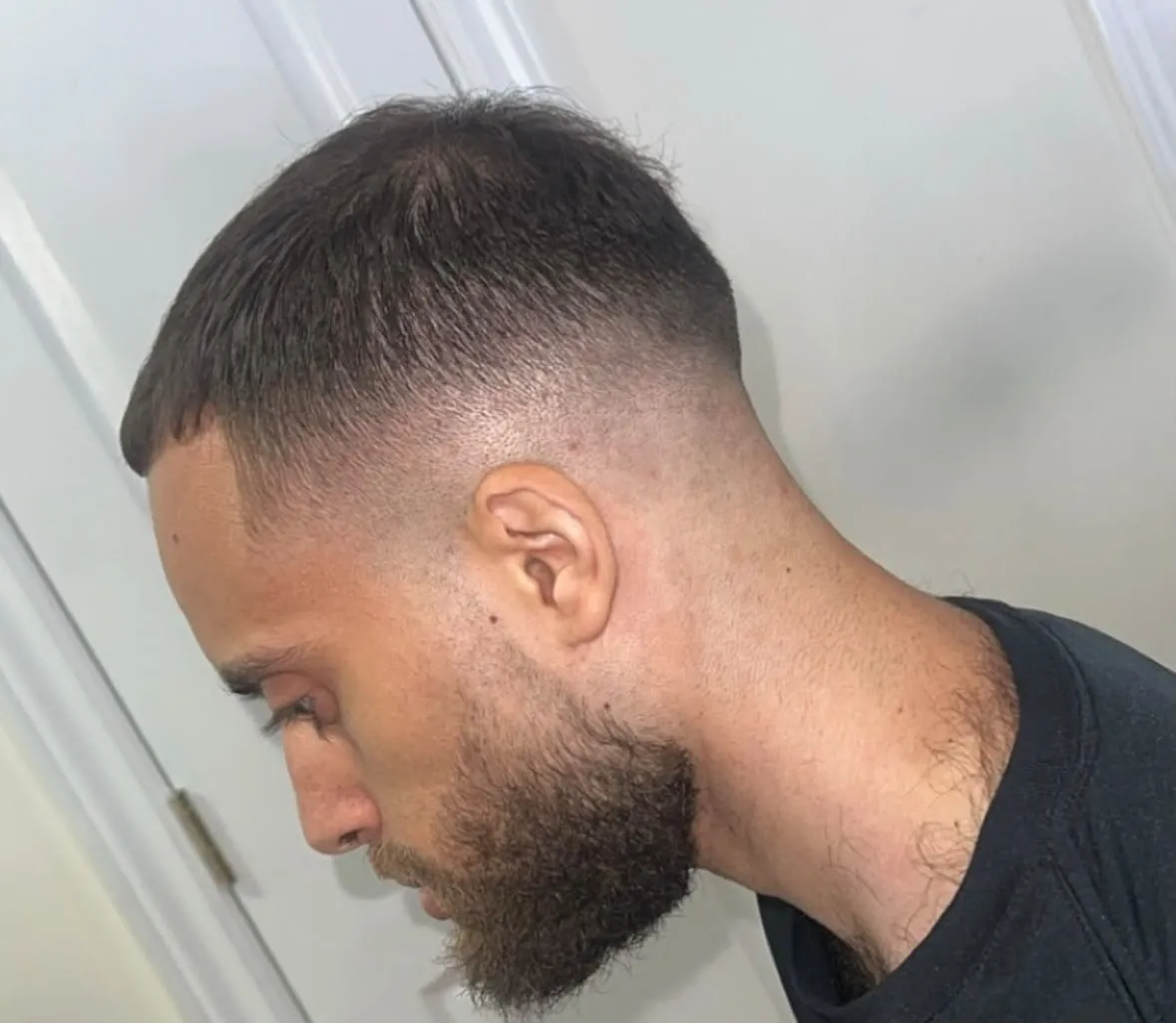
That last step removes the stubble that even an open, zero-gapped clipper leaves standing. The result is a band of skin that looks almost polished under light, which then melts into the shadow of the 0.5 or No. 1 above it. For the full clipper sequence that comes before this step, see how barbers blend a fade.
Razor, foil shaver or zero: what each leaves behind
The finish depends on the last tool used, and the difference is easy to see up close. A clipper with no guard leaves a visible grey shadow; a trimmer gapped to zero leaves less; a foil shaver or razor leaves skin.
| Finishing tool | What you see | What you feel | Skin comfort |
|---|---|---|---|
| Clipper, no guard, lever closed | Grey shadow of hair | Short bristle | Gentle |
| Trimmer gapped to zero | Faint shadow | Very fine stubble | Gentle to moderate |
| Foil shaver | Near-bare skin | Smooth, slight grain | Moderate |
| Straight razor or shavette | Bare, bright skin | Completely smooth | Most demanding |
How we take a fade down with a razor
When a client asks for the smoothest possible bottom, the razor work follows a careful sequence. Mark Yousif, whose skin fade work is a large part of his book, treats this as detailing rather than bulk removal.
- Take the lowest band to its shortest with a zero-gapped trimmer, so the razor is only removing stubble.
- Apply a clear shaving gel or foam so the skin is lubricated and the barber can still see the guideline.
- Fit a fresh single-use blade to the shavette.
- Shave in short, light strokes, mostly with the direction of growth, holding the skin gently.
- Wipe clean, check both sides against each other and blend the edge of the shaved band back up with the trimmer.
- Finish with a cool towel or a fragrance-free soothing product.
Who a razor fade suits, and who should skip it
A razor fade suits people with straight or gently wavy hair, skin that tolerates shaving well and a taste for strong contrast. It photographs sharply, which is why it turns up before graduations and weddings, and it looks especially crisp on dark hair where the shadow line is most visible.
It is a poorer choice for anyone who gets razor bumps, because tightly curled hairs cut below the skin line are more likely to curl back in. In that case a foil shaver or a zero-gapped trimmer gets close enough to read as skin from a normal distance. If bumps keep coming back after fades, see a doctor or dermatologist, and read our notes on preventing razor bumps.
- Good fit: straight or wavy hair, calm skin, wants maximum contrast.
- Think twice: coarse, curly hair that grows back into the skin.
- Skip for now: active acne, irritation or broken skin at the nape or sides.
Care in the first 48 hours
Freshly shaved skin has lost its outermost layer of hair and some surface cells, so treat it gently for a couple of days. Rinse the area with lukewarm water, pat dry, and use a plain, unscented moisturizer rather than aftershave with alcohol or heavy fragrance.
In summer, that band of skin behind your ears burns quickly, so a cap or sunscreen helps on a long day outside. Avoid scratching, picking at small red dots or scrubbing the area. Mild redness usually settles within a day or two; pus, spreading redness or pain is a reason to see a doctor.
How long a razor fade stays razor-smooth
The polished look is short-lived: stubble starts to show within two or three days, and by the end of the first week most razor fades look like a regular skin fade. That is not a flaw in the cut, simply the speed at which scalp hair grows back.
Plenty of clients use the razor finish for an occasion and a softer zero-gapped finish the rest of the time. Either way, you book it as Haircut Only; just tell the barber during the consultation that you want the bottom taken right down with the razor.
What is a razor fade: common questions
Is a razor fade the same as a bald fade?
Close. A bald fade means the bottom goes to skin, and a razor is one way to get there. Some barbers get a bald finish with a foil shaver alone and reserve the term razor fade for straight-razor work.
Does a razor fade hurt?
It should not hurt. You may feel a light scraping sensation and some warmth afterwards. Stinging that lasts more than a day or two is worth mentioning at your next visit.
Can I ask for a razor fade with curly hair?
You can, but many people with tightly curled hair get fewer bumps from a foil shaver finish. Ask your barber which gets closest without irritating your skin.