
Barber Answers
Should You Shave the Back of Your Neck Between Haircuts?
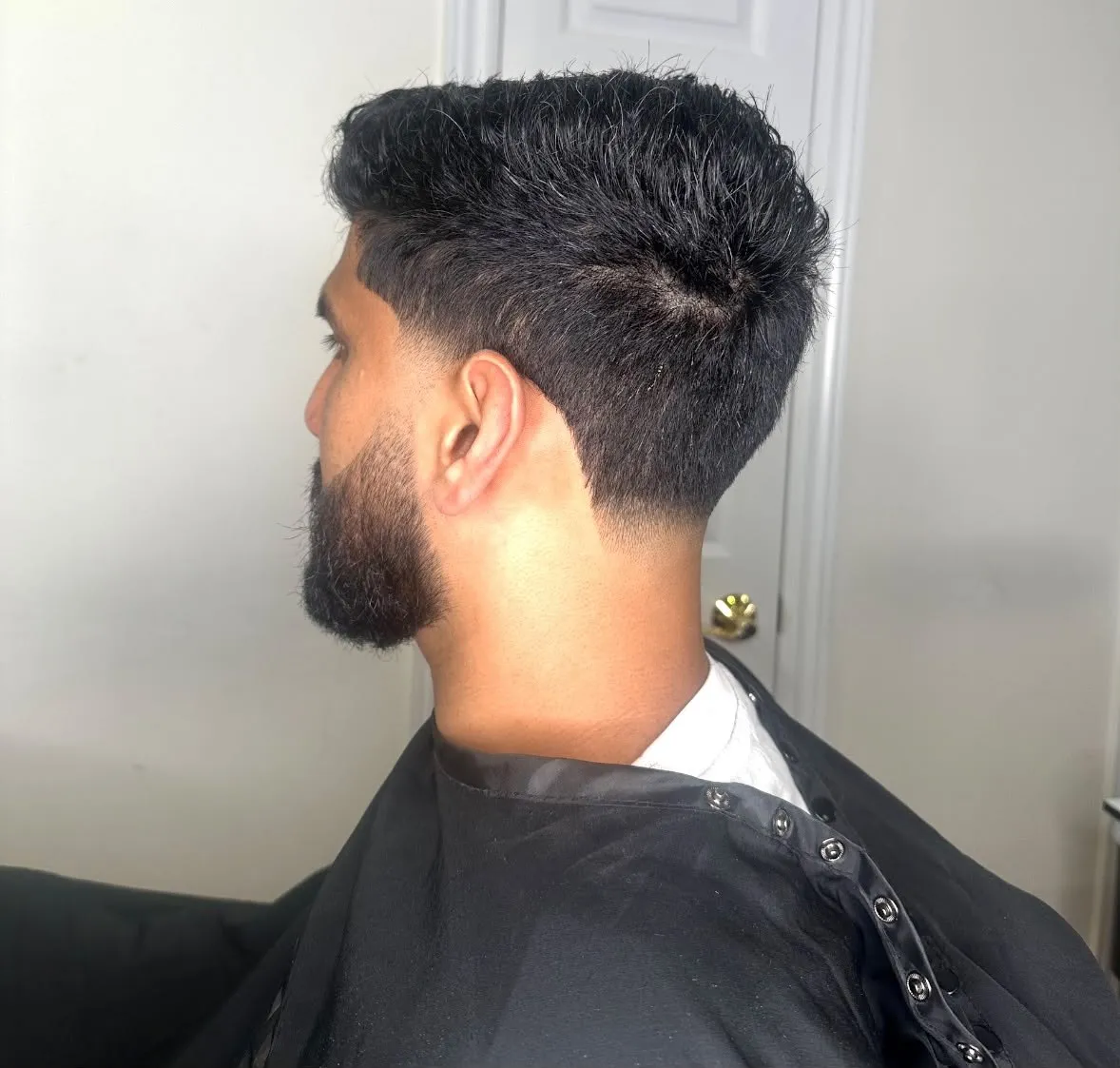
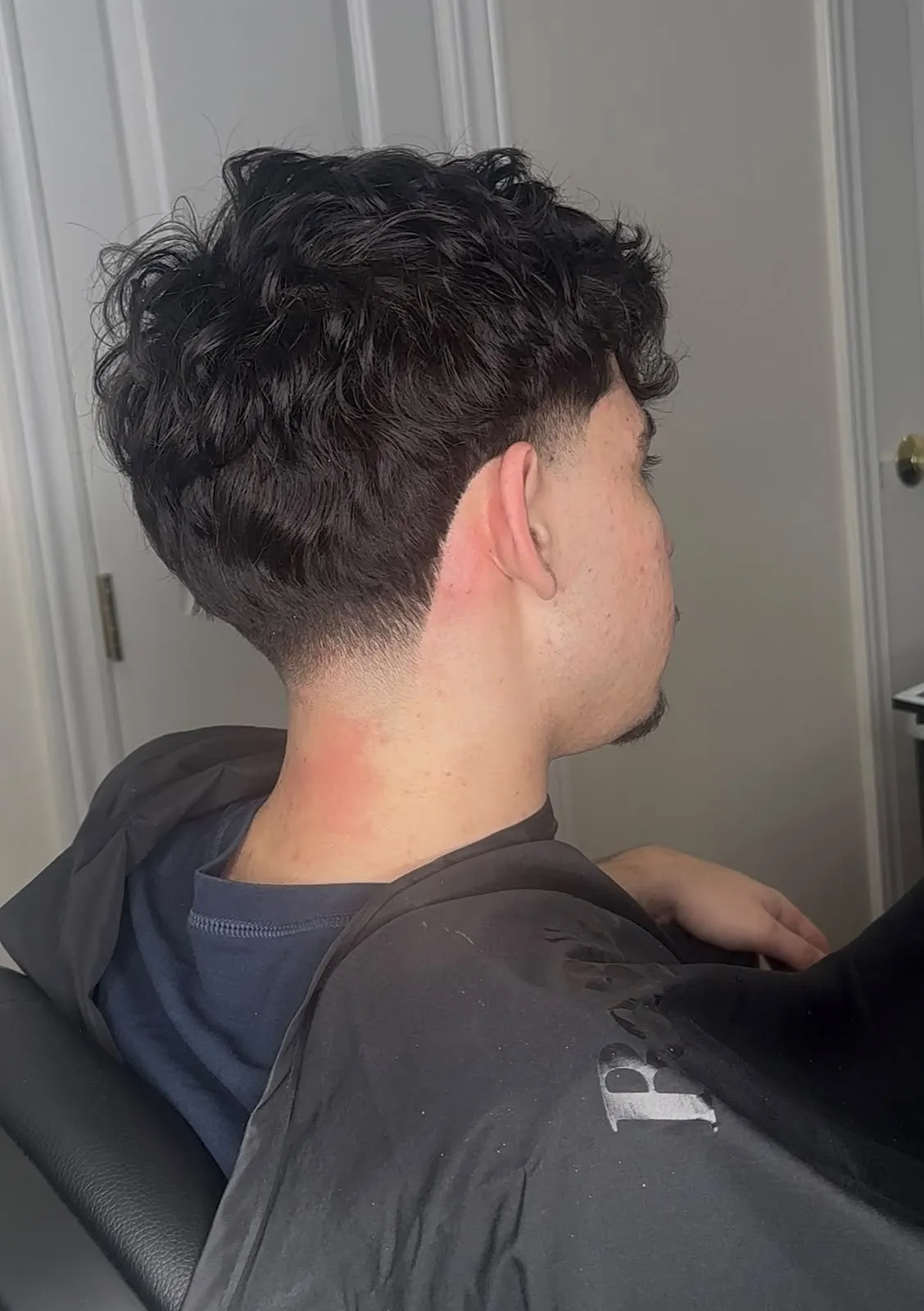
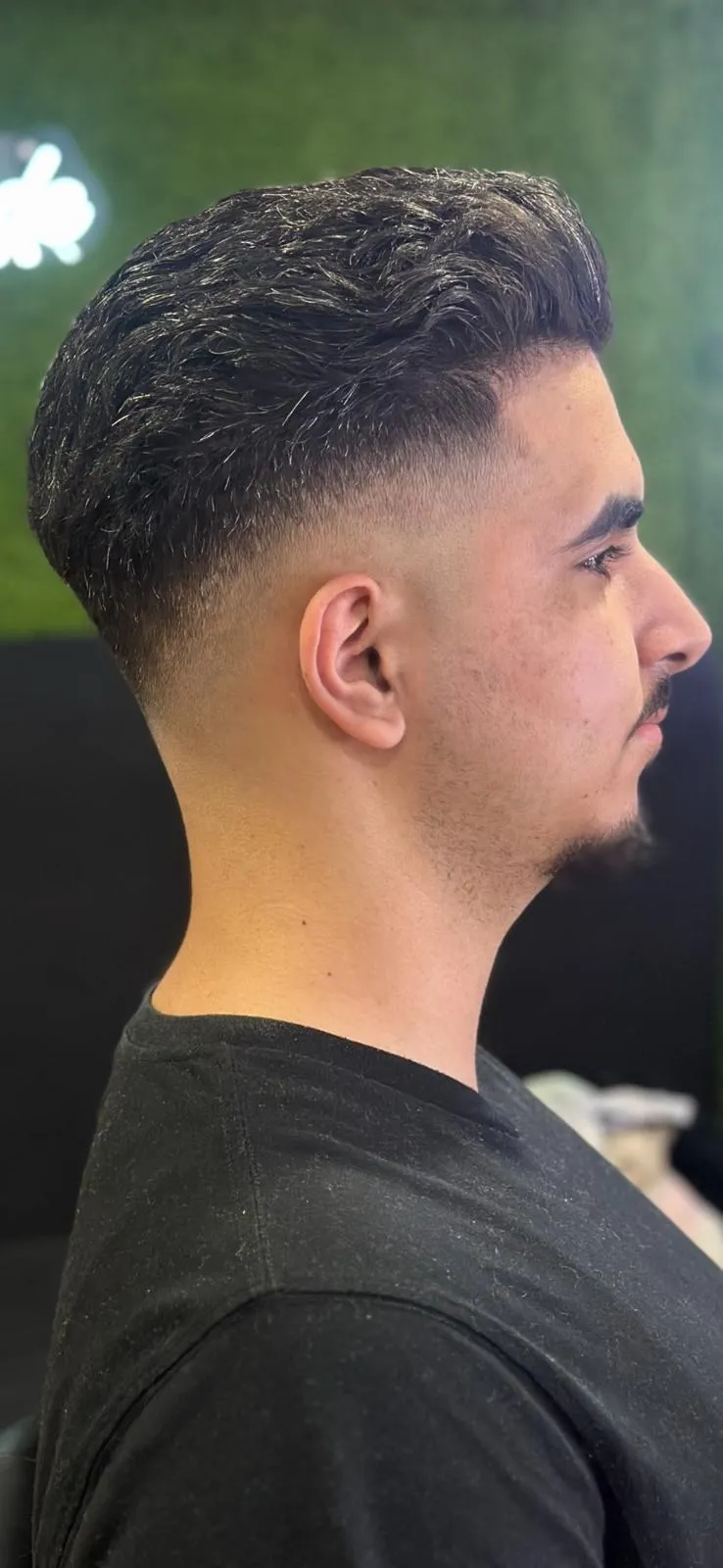
Short answer: Yes, you can clean up the back of your neck between haircuts, but only the hair that grows below your neckline, and a trimmer is safer than a razor for most people. Leave the neckline itself and anything above it to your barber. If you wear a tapered neckline you may not need to touch it at all for two or three weeks; a blocked neckline shows regrowth within days and benefits from a light tidy.
The short version: below the line, never the line
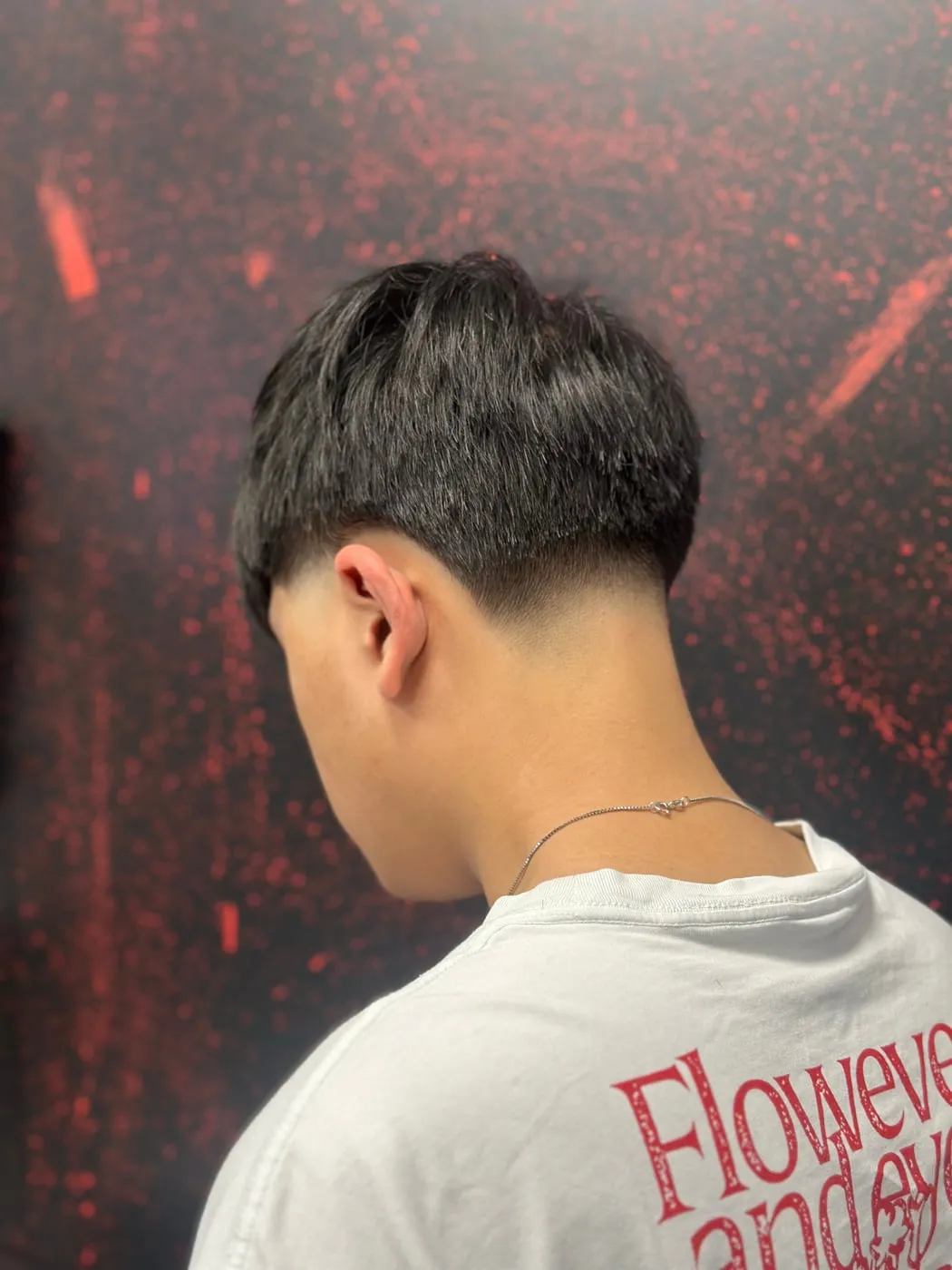
The hair you can safely remove is the soft growth on the upper neck and top of the back that sits clearly below where your barber finished the cut. It is the part that makes a cut look a week older than it is when it creeps over a shirt collar.
The neckline itself, and the bottom of any fade or taper above it, should stay untouched. Shaving into it raises the line, and because you are working blind on the back of your own head, one wobble can leave a step that takes two or three weeks to grow back.
Does your neckline style even need it?
How much maintenance the nape needs depends mostly on the finish your barber gave you. The full comparison lives on our tapered versus blocked neckline page; here is what each means for shaving at home.
| Neckline finish | Home clean-up needed? | What to remove |
|---|---|---|
| Tapered or faded to skin | Rarely in the first 2 weeks | Only stray hairs well below the taper |
| Blocked (squared) | Often, after 5 to 7 days | Stubble under the straight edge |
| Rounded | Now and then | Stubble under the curve, not the corners |
| Natural, left longer | Usually not | Nothing; it is meant to look grown |
Trimmer or razor: which is kinder to the neck?
For most people a trimmer is the better tool. The skin on the back of the neck rubs against collars, sweats under hats and toques, and often grows coarse or curly hair, which is the recipe for razor bumps and ingrown hairs when shaved to the skin.
A small cordless trimmer with the blade set close, but not at skin level, leaves a light shadow that reads as clean from a normal distance and causes far less irritation. If you prefer a razor, use a fresh blade, a proper shave gel and strokes in the direction of growth, and stop if you see bumps. Repeated bumps or tender spots are worth showing to a doctor or dermatologist, and our page on preventing razor bumps covers the details.
How to tidy the back of your neck safely
The trick is seeing what you are doing and staying well below the barber's line. Take your time, work in good light and remove less than you think you need.
- Set up two mirrors: stand with your back to the bathroom mirror and hold a hand mirror in front of your face, angled to show the nape.
- Find your barber's finish line and place a finger horizontally just below it as a physical stop.
- Run the trimmer downward and away from the head, starting below your finger, in short strokes.
- Check both sides of the neck match; hair often grows further down on one side.
- Leave the area directly behind the ears alone unless the hair is clearly on the neck.
- Rinse with cool water and use an unscented moisturizer if the skin feels warm.
Mistakes that make a neckline look worse
Most neck disasters come from going too high or going too often. A neckline shaved higher each week slowly climbs toward the occipital bone, and the fade above it loses its proportion. Try to leave at least a finger-width between your clean-up and the cut.
The other pitfalls are more about skin than shape. Shaving dry, pressing hard, going against the grain, or shaving over existing bumps all make irritation more likely. Our wider guidance on touching up your fade at home explains why the blended part of the cut should stay off limits.
- Creeping the line upward a millimetre at a time.
- Creating a squared edge on what was cut as a taper.
- Using a foil shaver or razor on irritated or broken skin.
- Letting someone else do it with a razor who has not done it before.
When to leave it for your barber instead
Book a quick clean-up instead of doing it yourself if the hair below your neckline is thick, curly and prone to bumps, if your hairline grows unevenly down the neck, or if you simply cannot see what you are doing. A barber can reset the edge in a few minutes and leave you with a clean line to follow.
At Markcutit every cut ends with a razor-clean lineup that includes the nape. If your neck always looks overgrown long before the rest of the cut, mention it in the consultation: a taper that finishes lower or softer often solves it. You can book on Booksy or by text.
Should you shave the back of your neck: common questions
Is it weird not to shave the back of your neck?
Not at all. Plenty of people never touch it and simply keep regular cuts. A tapered neckline in particular is designed to grow out without a visible edge.
Can I use hair removal cream on the back of my neck?
Some people do, but these creams can irritate the thin skin near the hairline and are hard to control on an edge. Patch-test first, keep well below the neckline, and stop if it stings.
Why does the hair on my neck grow so fast after a cut?
It grows at a similar rate to the rest of your hair, but because it was cut to skin, even a few days of stubble is visible against it.
Should women shave the back of the neck with a short cut?
The same principles apply to any short cut: tidy below the line, use a trimmer rather than a razor, and leave the shape itself to the person who cut it.