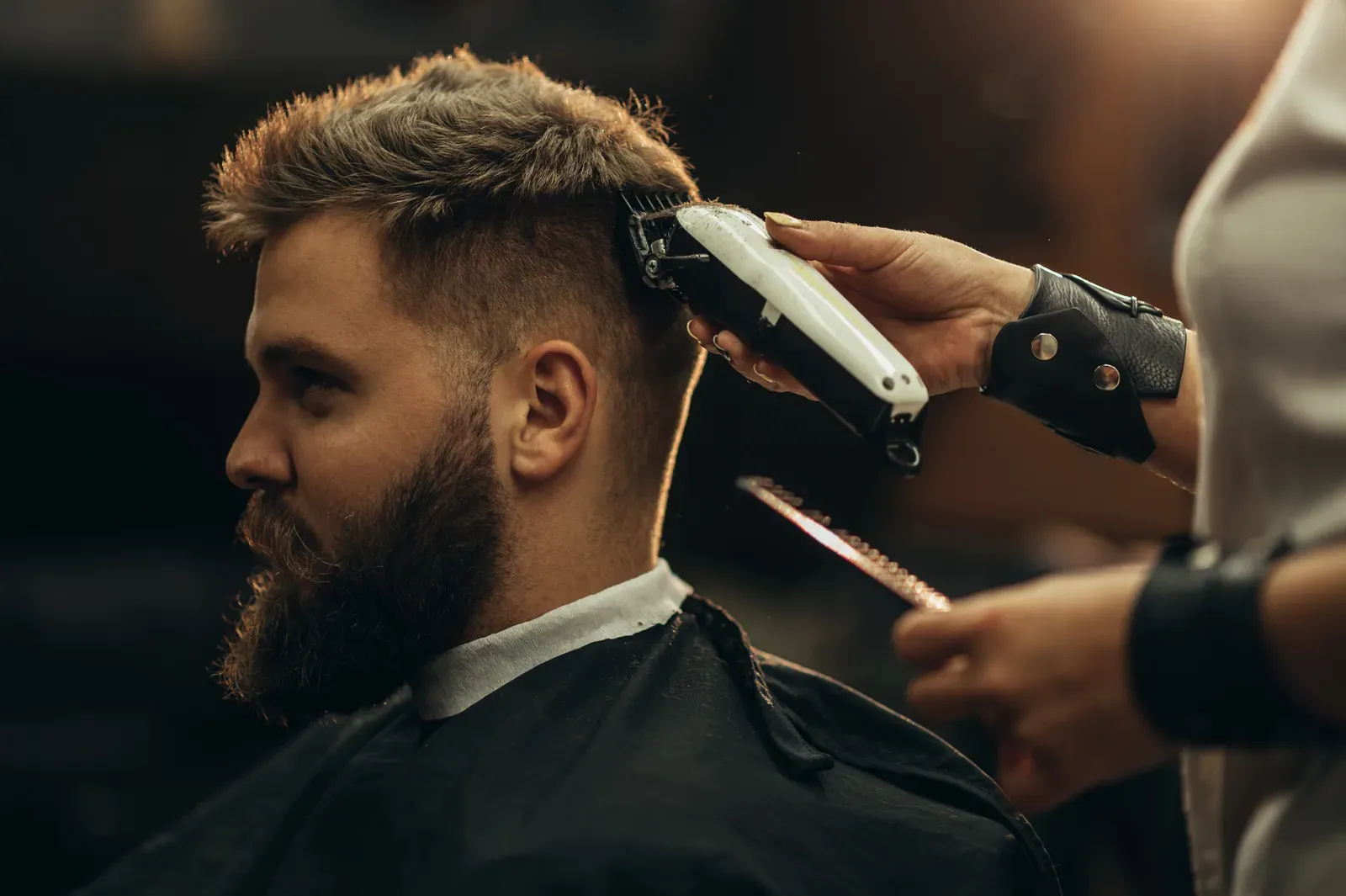

Style Comparisons
Mohawk vs Faux Hawk: Shaved Sides or Short Sides, and Which to Wear
Short answer: A mohawk takes the sides of the head down to skin, or very close to it, and leaves a single strip of longer hair running from forehead to nape. A faux hawk keeps hair on the sides, usually a fade or a short guard, and creates the ridge only with styling, so it can be combed down on a Monday. Pick the mohawk for a statement you commit to, and the faux hawk if you need to look conventional some days.
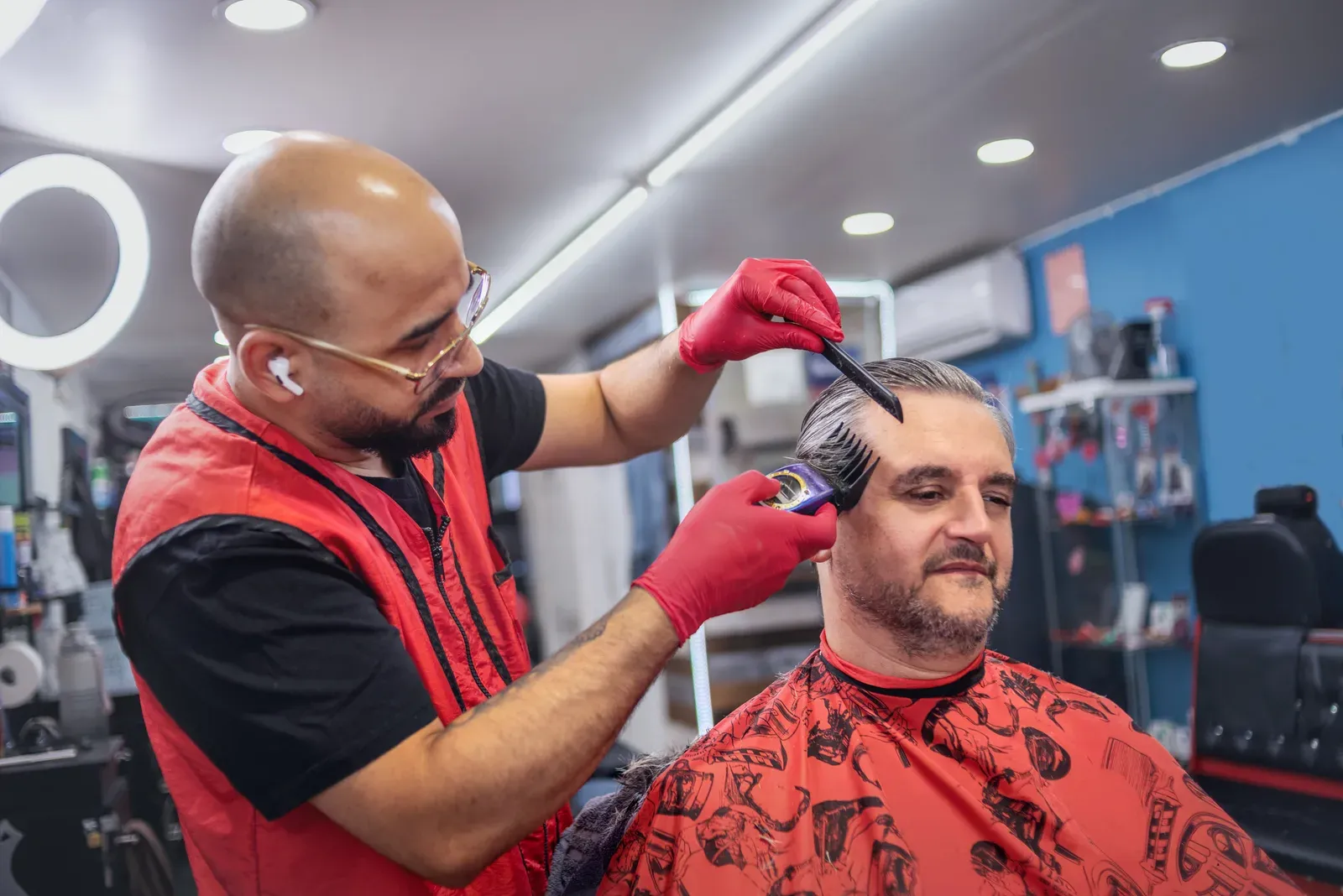
The real difference is what happens above the ears
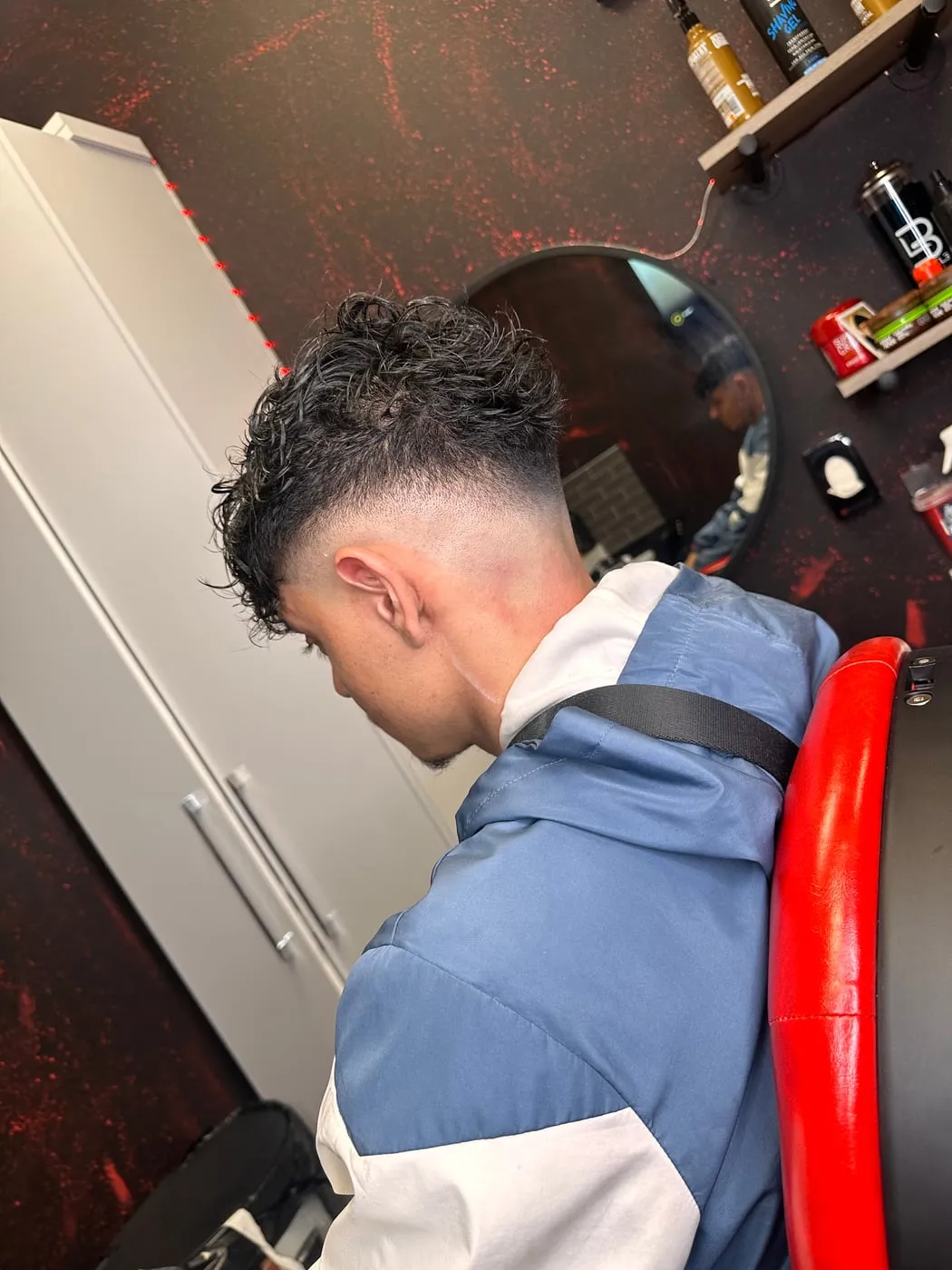
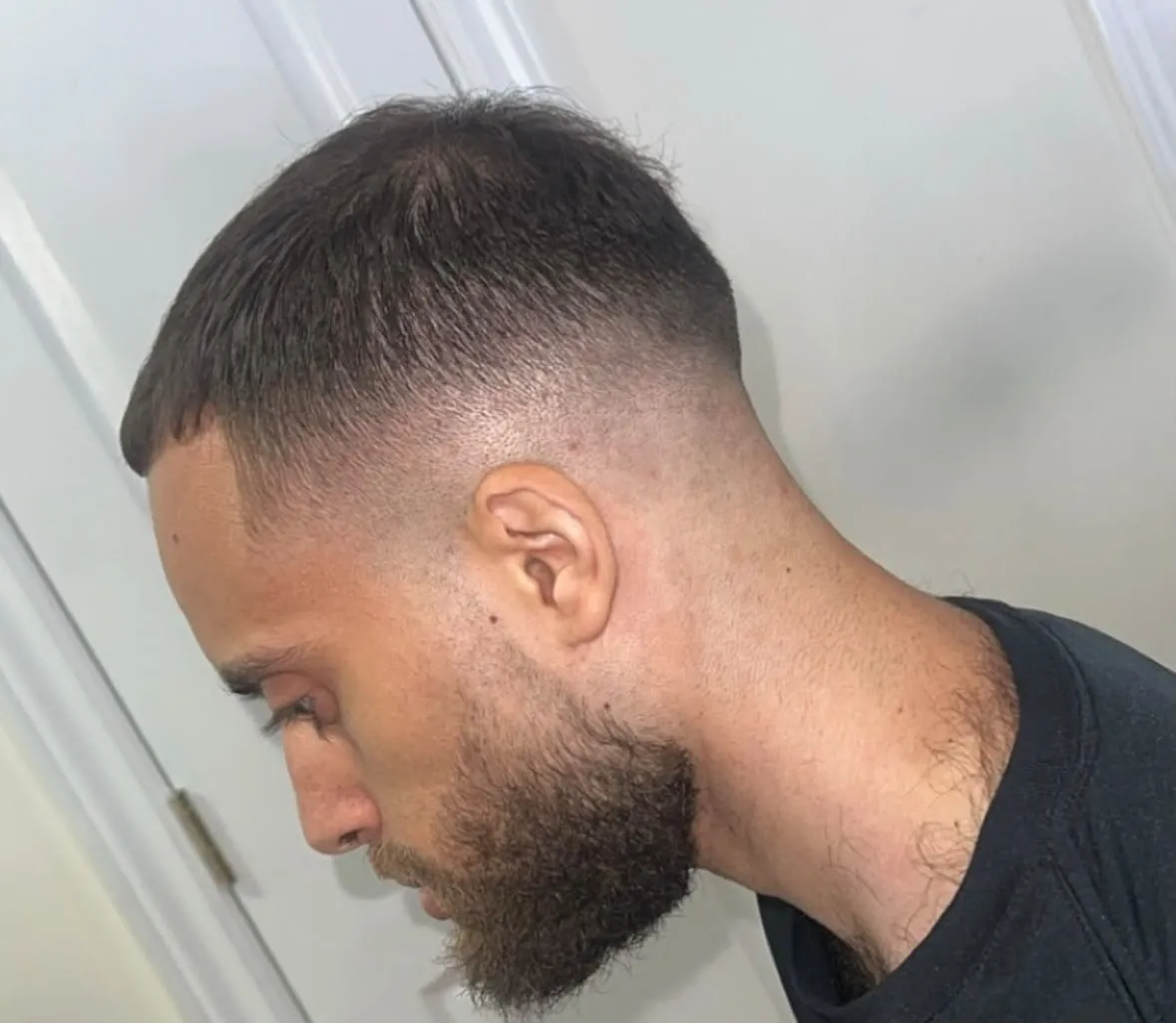
A mohawk is defined by bare sides, while a faux hawk is defined by product. On a true mohawk the clipper or razor goes all the way up the side of the head until it meets the strip, so the strip stands alone with nothing around it. On a faux hawk the sides are faded or tapered, but the upper sides keep enough hair that the shape blends into the top.
That one choice decides almost everything else: how loud the cut looks, how hard it is to hide, and how long it takes to walk back from. A faux hawk is a regular short haircut wearing a costume. A mohawk is a costume you cannot take off.
Front, side and back: how each one reads
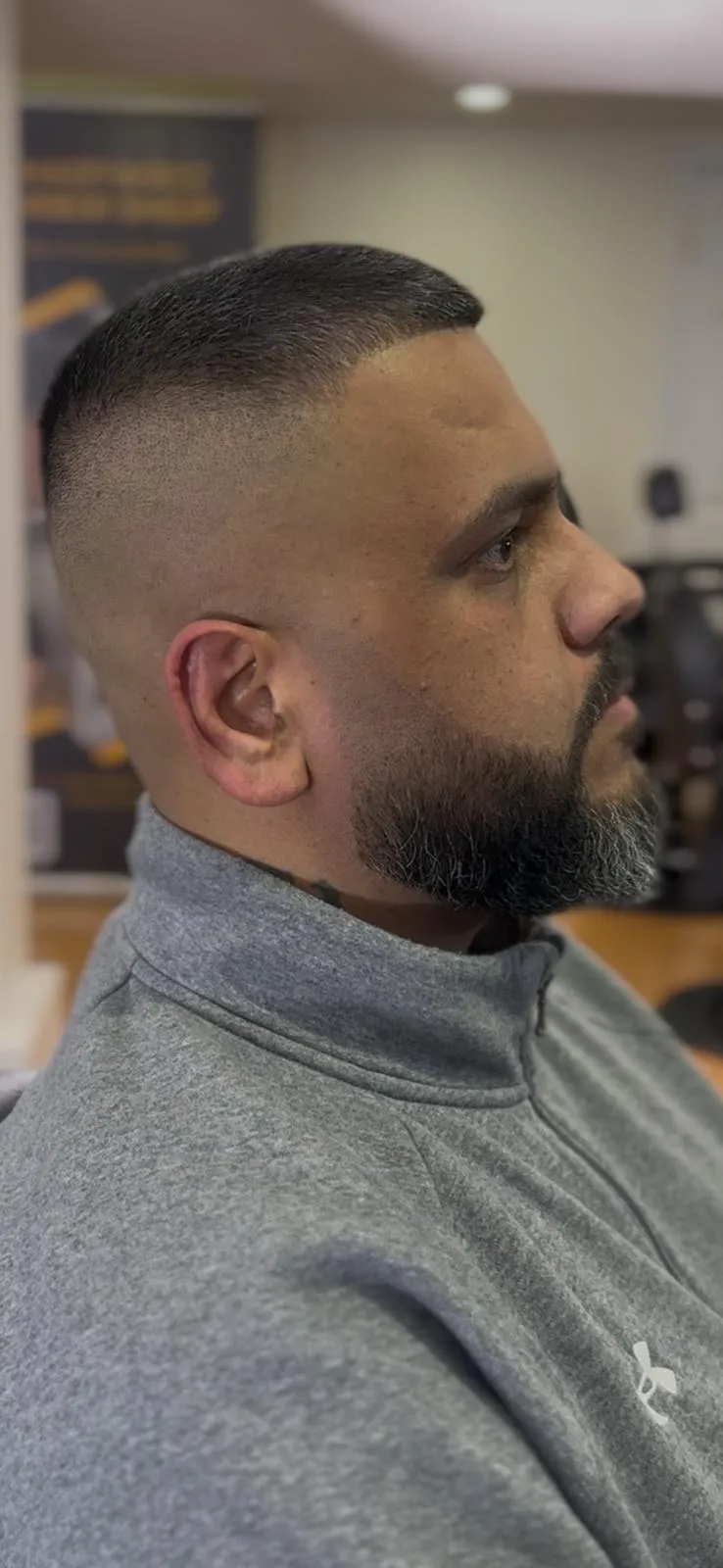
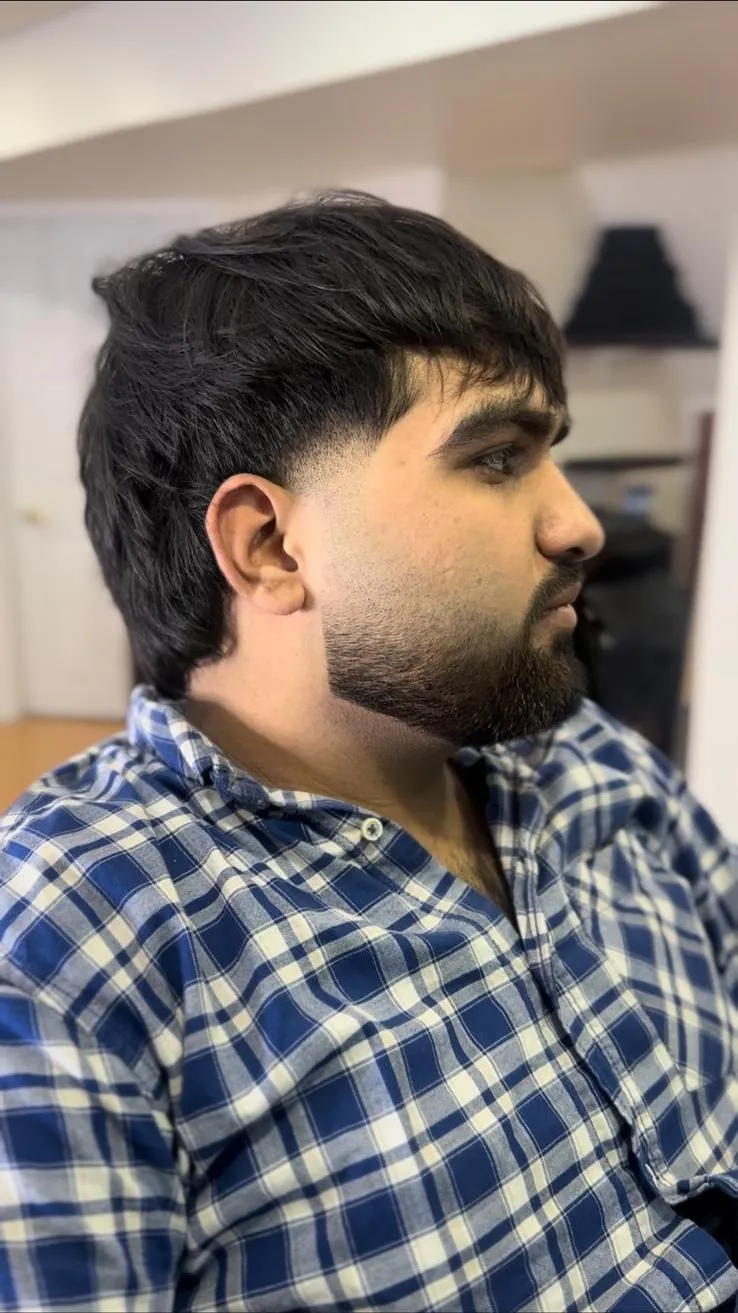
Seen from the front, the two can look surprisingly close once styled. The profile and the back view are where they separate, so look at those angles in any reference photo before you choose.
| Mohawk | Faux hawk | |
|---|---|---|
| Sides | Shaved or clipped to skin up to the strip | Faded or tapered, blended into the top |
| Strip width | Narrow, usually about 5 to 8 cm (2 to 3 in) | No hard edge; the ridge is pushed in with product |
| Back of the head | The strip usually runs to the nape | Normally faded or tapered like a regular cut |
| Top length | 5 cm and up for a visible crest; far longer for spikes | About 4 to 8 cm, longest through the centre |
| Can it be worn flat? | No, the bare sides stay bare | Yes, comb it down or to the side |
| Touch-ups | Sides every 1 to 2 weeks to stay clean | Every 3 to 4 weeks |
| Undoing it | Several weeks of side growth | Just style it differently |
Workplace, school and uniform rules
A faux hawk passes in most workplaces because on a quiet day it is simply a fade with a longer top. Push the centre back instead of up and nobody at the office reads it as a hawk at all.
A mohawk is visible no matter how you style it. Some employers, uniformed jobs and sports teams have grooming policies that rule out shaved-side styles, so check the written policy before you book rather than after. The same goes for the helmet question: a tall mohawk crest does not survive a hockey or construction helmet, though the bare sides stay cool under one.
What each one asks of you in the morning
A faux hawk needs a few minutes and a product with grip. Blow dry the top upward while pushing the sides of the top toward the centre, then work in a matte clay or paste and pinch the ridge together. Sea salt spray or texture powder under the clay helps fine hair hold the peak.
A short mohawk, around 5 cm, can be worn soft and messy with a little product. A tall one with separate spikes needs strong gel or a firm hold spray, a hair dryer and patience, and it rarely survives rain or a toque. Most people who wear a mohawk day to day keep it on the short side for that reason.
Which to choose, by situation
Choose based on how often you need to look ordinary and how much you enjoy upkeep. These are the cases we see most in the chair:
- First time trying the look: faux hawk. You get the silhouette and can decide later whether you want the full commitment.
- Office job, client meetings or a strict school code: faux hawk, styled up on weekends and flat during the week.
- Music, events or you simply want a cut people notice: mohawk, ideally with a sharp razor line where the strip meets the sides.
- Curly or coily hair: either works, and a frohawk version keeps curl volume along the centre; the curl adds height without much product.
- Thinning at the crown or temples: faux hawk, because the product-built ridge pulls hair toward the centre and the fade keeps it tidy, while a narrow strip can expose thinning.
Going from a faux hawk to a mohawk, and back
The safe route is to start with a faux hawk and take the sides down only when you are sure. Moving to a mohawk is one appointment: we mark the strip width with the top combed up, then take the sides to skin and set a clean edge along each side of the strip.
Coming back takes longer. Scalp hair grows roughly 1 to 1.5 cm a month, so bare sides need about three to four weeks before a fade can be blended into them, and during that stretch the cut looks like a grown-out mohawk. We can tidy the edges while you wait.
Booking either one at Markcutit
Both are booked as Haircut Only, and the consultation is where we decide strip width, fade height and how long the centre stays. Bald sides on a mohawk are the same clipper work as our skin fades service, finished with a razor lineup and the usual hot towel, wash and head massage. Bring a photo of the back view you want.
Mohawk vs faux hawk: common questions
Is a faux hawk the same as a fohawk?
Yes. Fohawk is just a shortened spelling of faux hawk, and both mean a styled ridge over sides that keep some hair.
How long does hair need to be for a faux hawk?
Around 4 to 5 cm through the centre of the top is the practical minimum; 6 to 8 cm gives a clearer peak. The sides can be any fade height.
Does a mohawk suit a round face?
Often, yes. The tall, narrow strip adds height and the bare sides remove width, which lengthens a round face. A flat back of the head is the bigger thing to check.
Can I get a mohawk with a fade instead of bald sides?
Yes, and many people do. A burst fade around the ear with the strip left long is a softer version; see the burst fade page for how that curve sits.