
Style Comparisons
Crew Cut vs Ivy League: Top Length, the Part and Which Suits You
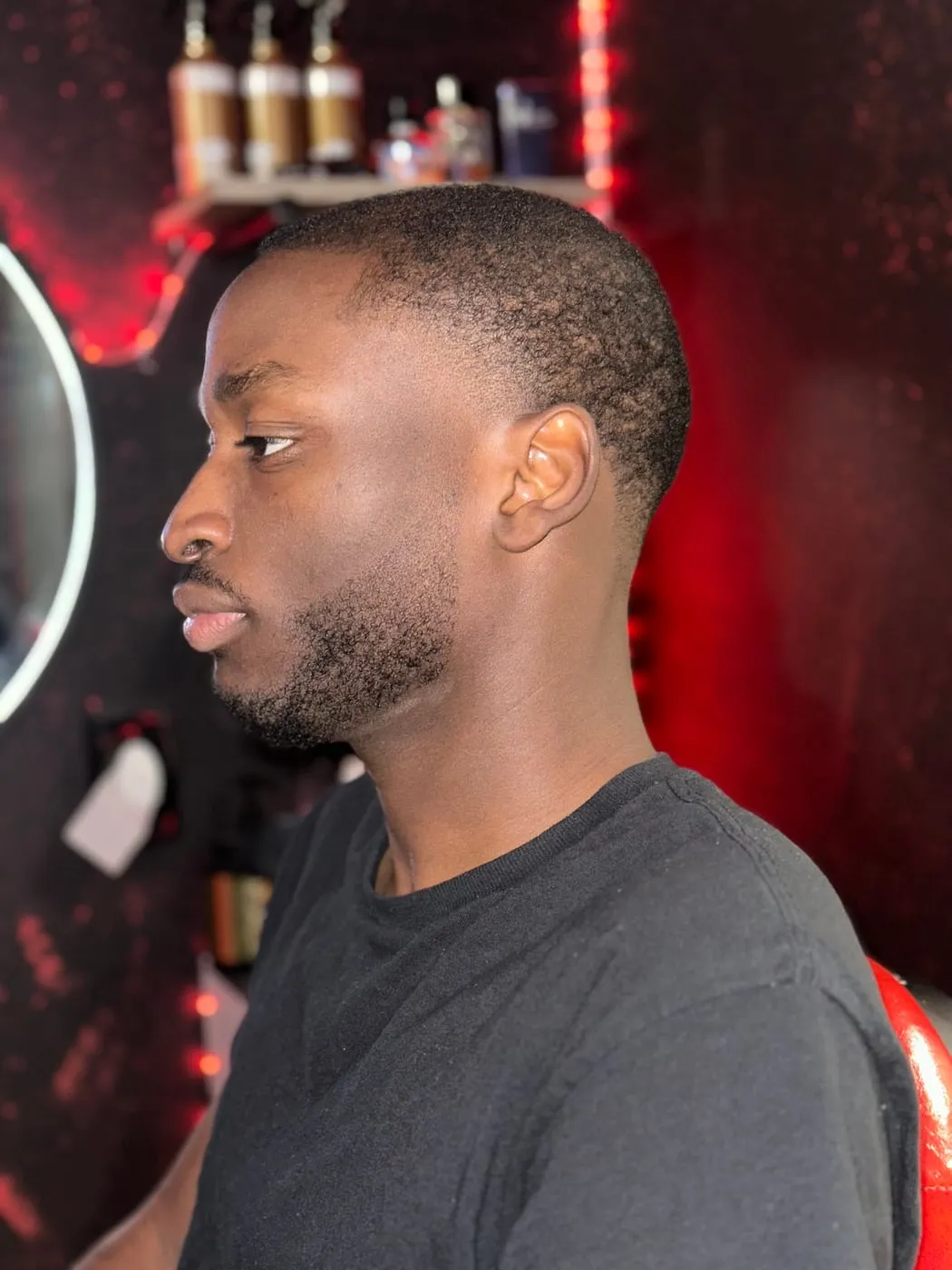
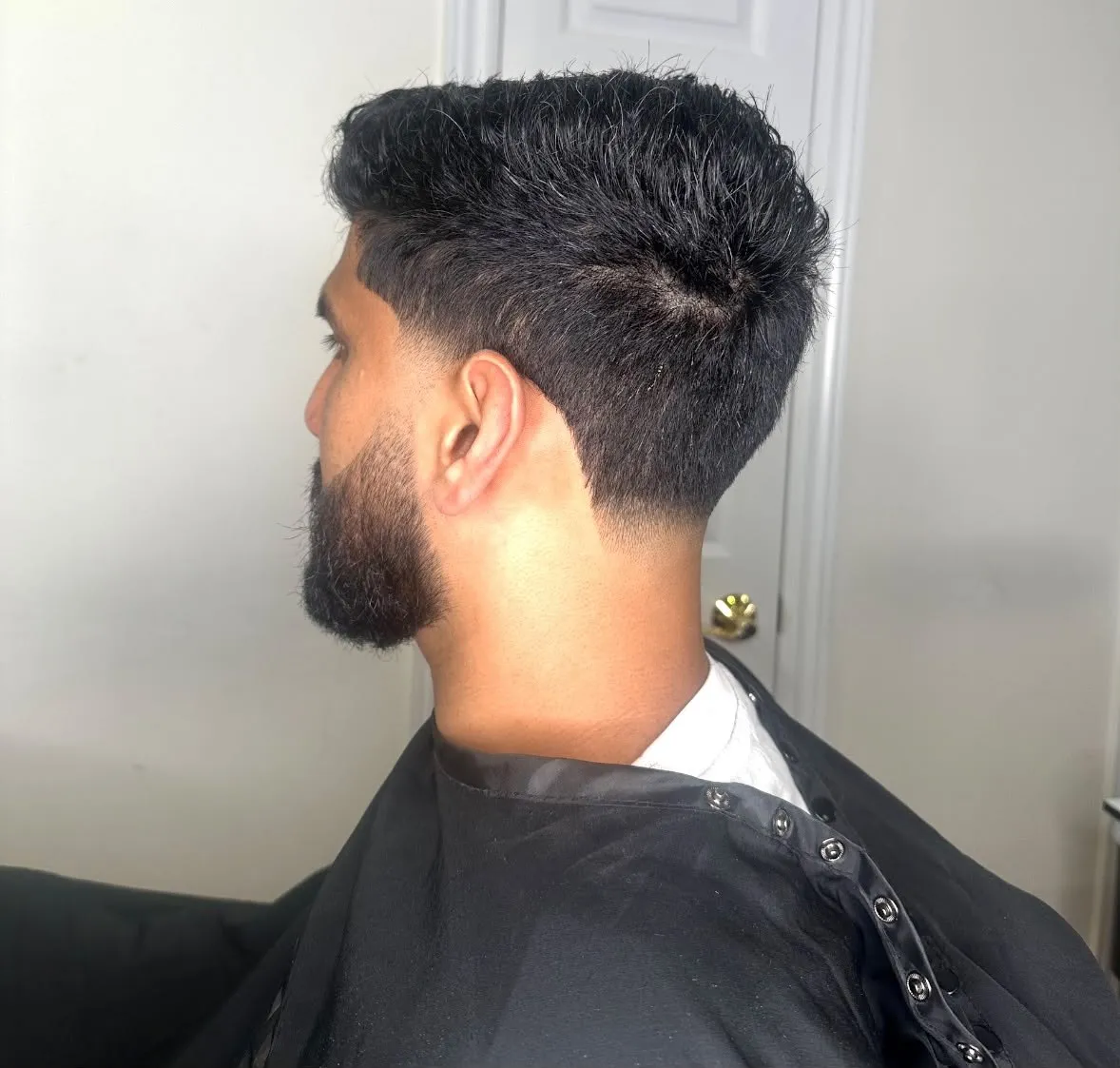
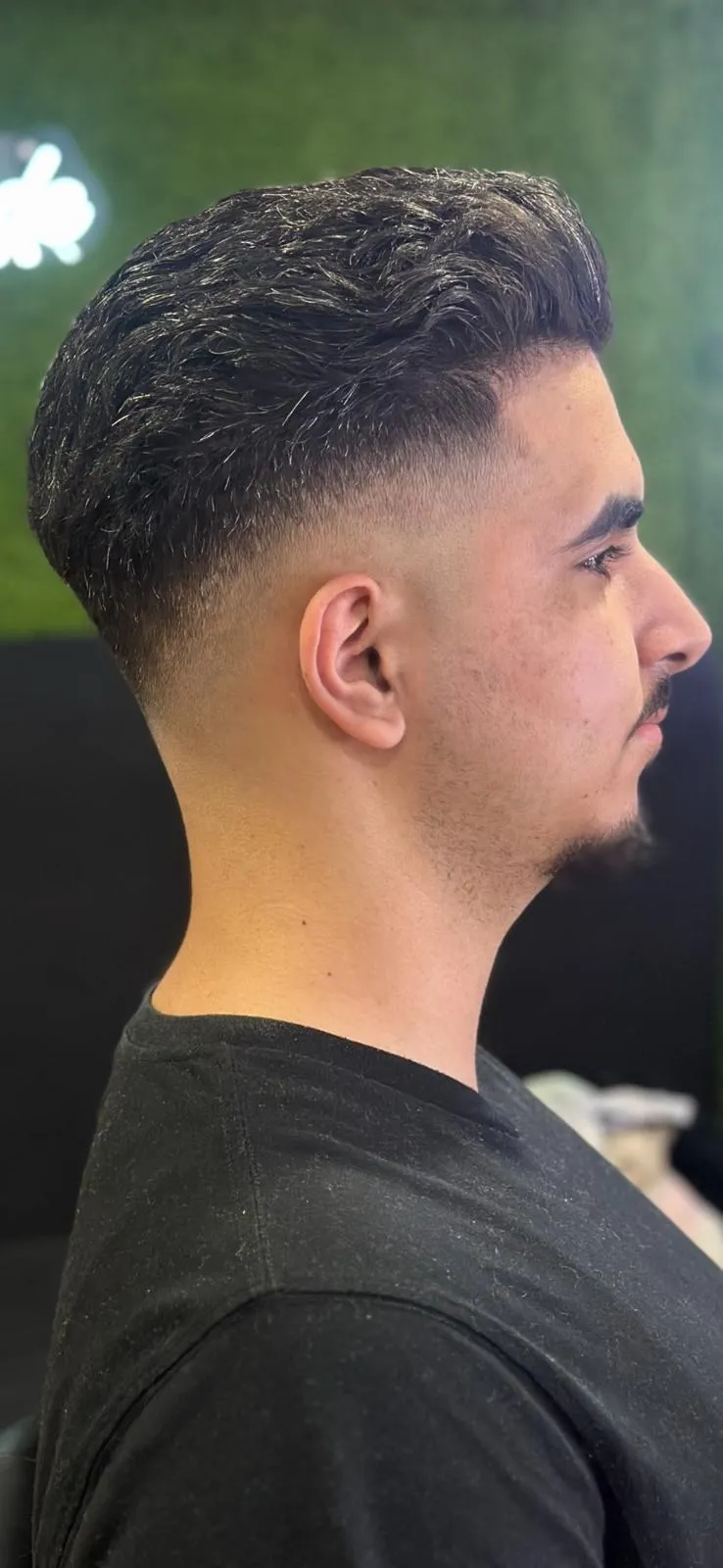
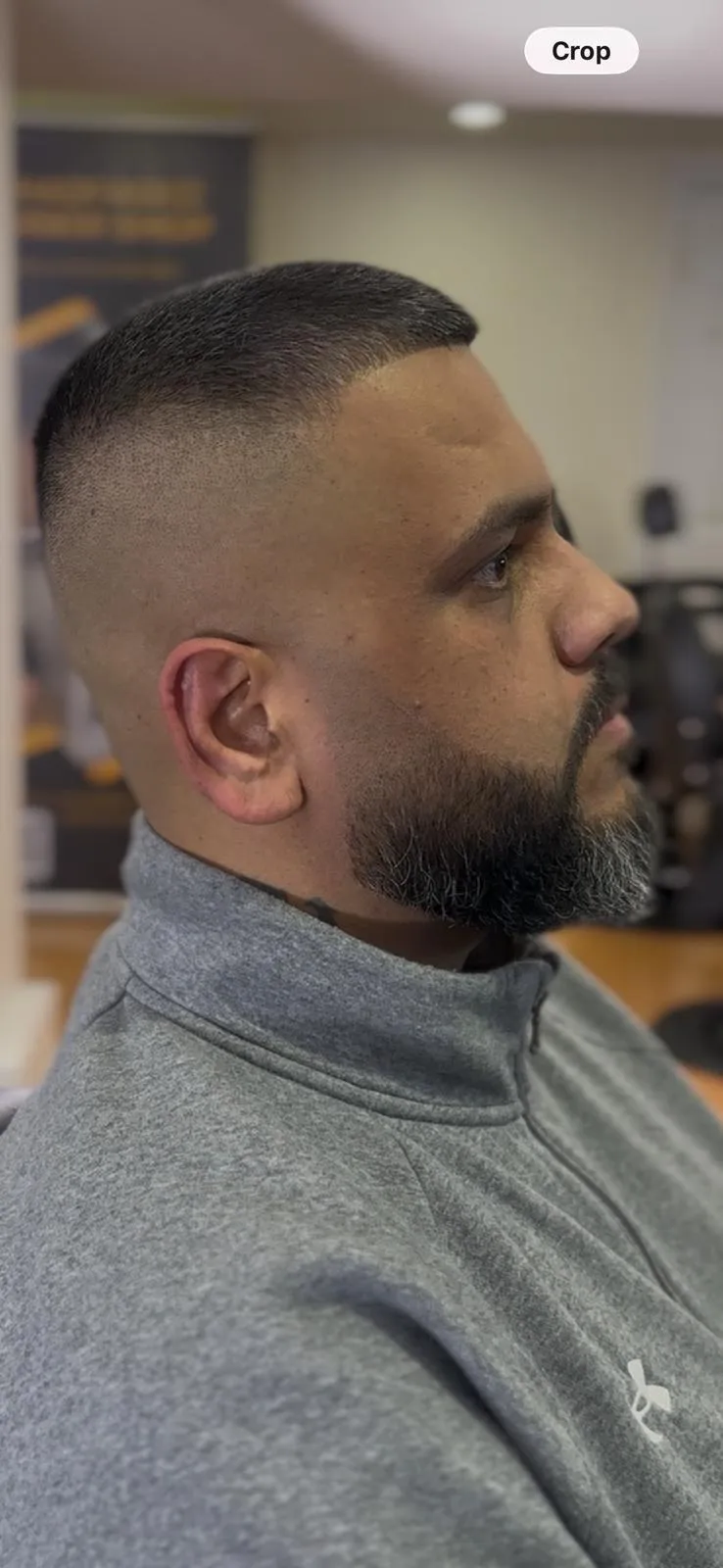
Short answer: A crew cut and an Ivy League share the same short, tapered sides; the difference is the top. A crew cut keeps about 2 to 4 cm at the front and is pushed up or forward with little or no product. An Ivy League leaves roughly 4 to 6 cm at the front so it can be combed into a side part. Choose the crew cut for zero styling and the Ivy League if you want a polished, parted finish.

The part is the line between the two cuts
If your top is long enough to comb into a clean side part, you have an Ivy League; if it only stands up or brushes forward, you have a crew cut. Both graduate from longer at the front to shorter at the crown, and both sit on short, tapered sides, which is why people confuse them.
The extra two centimetres change how the cut behaves. A crew cut is a wash-and-go shape that looks the same wet or dry. An Ivy League haircut has a direction: hair falls across the head from a part, so it looks more finished and more deliberate, but it asks for a comb and a little cream.
Crew cut and Ivy League, measured
These are typical ranges we work within. Your consultation might shift them by a centimetre depending on density and cowlicks.
| Crew cut | Ivy League | |
|---|---|---|
| Front of the top | 2 to 4 cm | 4 to 6 cm |
| Crown | Around 1 to 2 cm | Around 2 to 3 cm |
| Part | None, or a faint natural one | Combed side part, usually over the natural parting |
| Sides | No. 1 to No. 3 taper, often clippers | Short taper, traditionally scissor over comb |
| Product | Optional matte paste | Light cream or low-shine pomade |
| Styling time | Under a minute | Two to three minutes with a comb |
| Looks overdue after | About 3 to 4 weeks | About 4 to 5 weeks |
Which hair types suit each one
Straight or slightly wavy hair of medium thickness suits both, and it is the ideal Ivy League hair because it lies flat along a part without fighting back. Very thick, coarse hair often suits the crew cut better, since the shorter top stays up by itself instead of puffing out when it is combed sideways.
Fine or thinning hair is where the choice matters most. A crew cut keeps the top short and even, so there is nothing thin to spread over the scalp. An Ivy League can work on fine hair if the part is placed where you naturally part, but a long top combed across a thinning crown tends to separate and show scalp by mid-afternoon.
Tight curls do not hold a flat part without a lot of product, so curly clients usually do better with a crew-length top or a hard part cut into a shorter style.
Matching the cut to your job and your week
Both cuts pass any dress code, so the real question is how you spend your days. Here is how we usually steer it:
- Trades, warehouse, first responders and anyone under a hard hat or helmet: crew cut. It recovers from a helmet with a quick rub of the hand.
- Office, sales, law, finance or regular video calls: Ivy League. The part reads as groomed on camera and in a suit.
- Athletes and gym regulars: crew cut, because sweat and showers do not undo it.
- Men over 40 wanting a classic, grown-up look: Ivy League, as long as the hair at the front is dense enough to part.
- Weddings, grad and interviews: Ivy League if you normally wear a crew cut, since it looks dressier with only a few weeks of extra growth.
Growing a crew cut into an Ivy League
Moving from a crew cut to an Ivy League takes about four to six weeks, because the front needs roughly two more centimetres. The trick is to keep the sides tidy while the top catches up.
- Skip trimming the top at your next visit and ask only for the sides and neckline to be tapered.
- Start combing the front to the side at home from week two, even when it springs back, so the hair gets used to the direction.
- At about week four or five, come in and we will find your natural part, set it with the comb and shape the front so it falls cleanly.
- Switch from paste to a light cream once the part holds, and brush it into place while the hair is slightly damp.
How to ask for either at Markcutit
For a crew cut, say how long you want the front and the guard on the sides, for example: 'About 3 cm at the front, graded shorter to the crown, No. 2 taper on the sides.' For an Ivy League, ask for enough length at the front to part and name the side: 'Leave 5 cm at the front for a left part, scissor over comb on the sides.'
Both are booked as Haircut Only on Booksy and finish with a razor lineup, hot towel, wash and head massage. If you like the hand-finished sides, our scissor cuts service page explains how we connect them to the top.
Crew cut vs Ivy League: common questions
Is a Princeton cut the same as an Ivy League?
Yes. Princeton cut and Harvard clip are older names for the same style: a longer crew cut with a combed side part.
Can an Ivy League be cut with clippers?
It can. A low clipper taper on the sides works fine; scissor over comb just gives a softer, more traditional transition into the top.
Which one is lower maintenance?
The crew cut. It needs no parting, no comb and very little product, and it still looks intentional when it is a week or two overdue.
Does an Ivy League have to be parted?
You can push it back or up, which reads as a short quiff. Without the part it is less classic, but the length gives you the option.