
Haircut Styles
Faux Hawk: The Ridge Without the Shaved Sides, Plus a Work Version
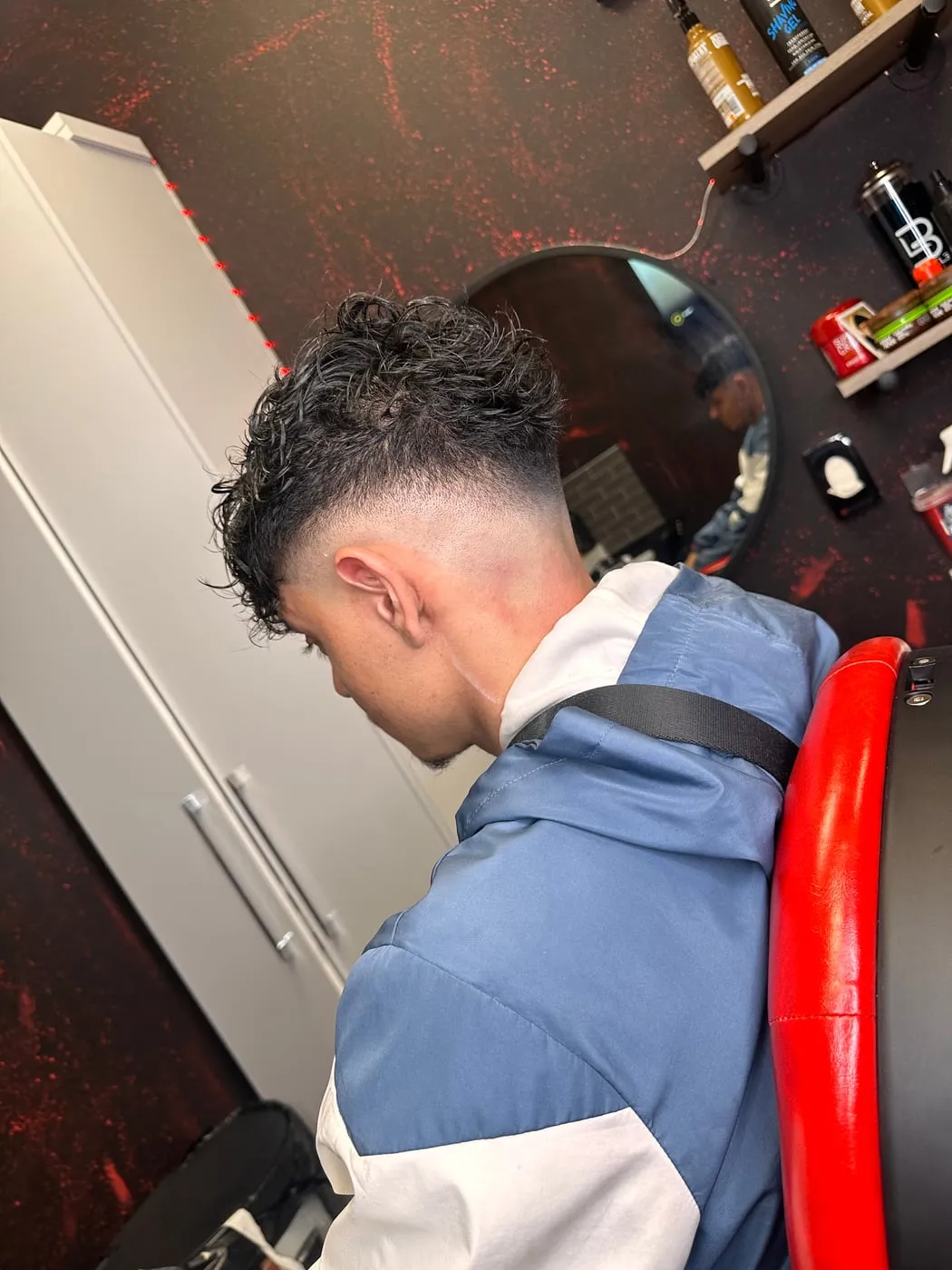
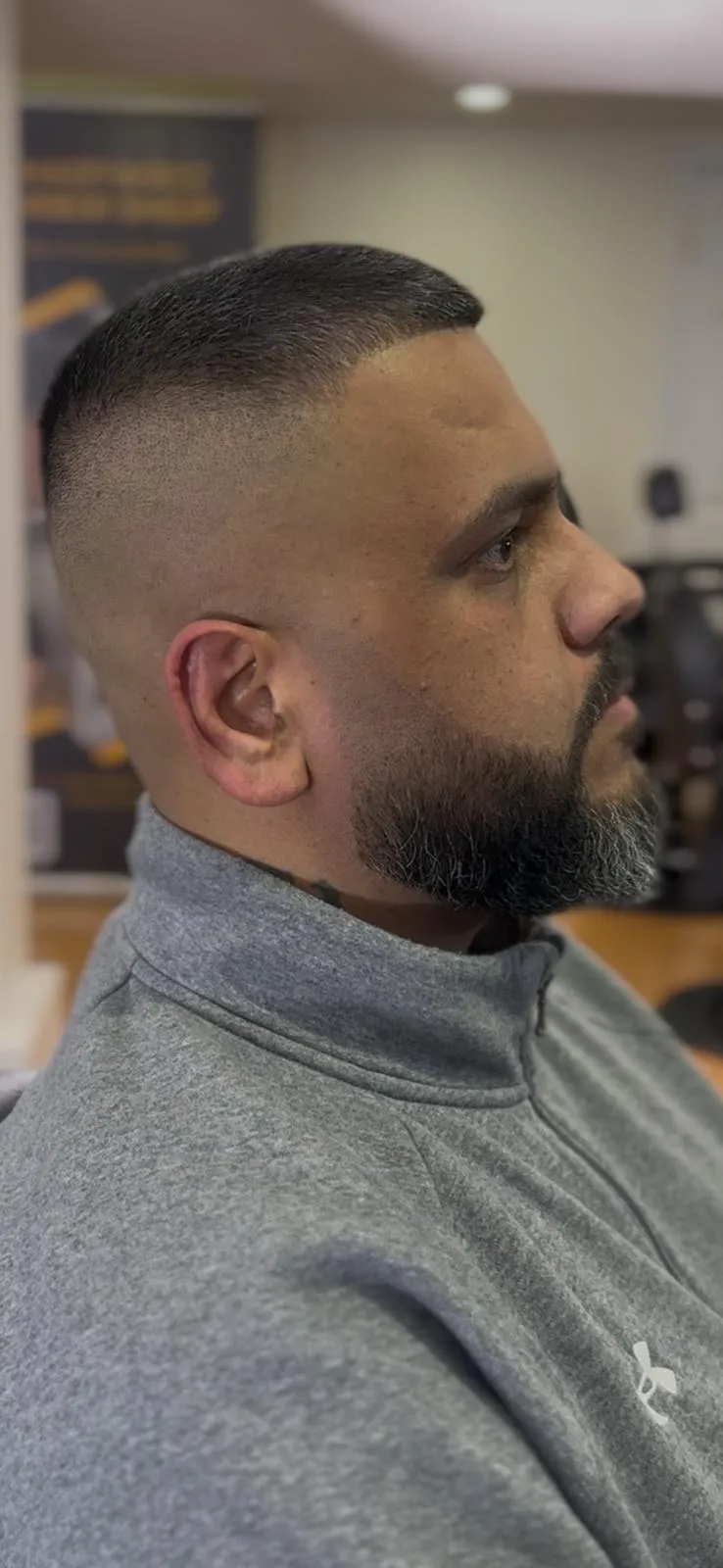
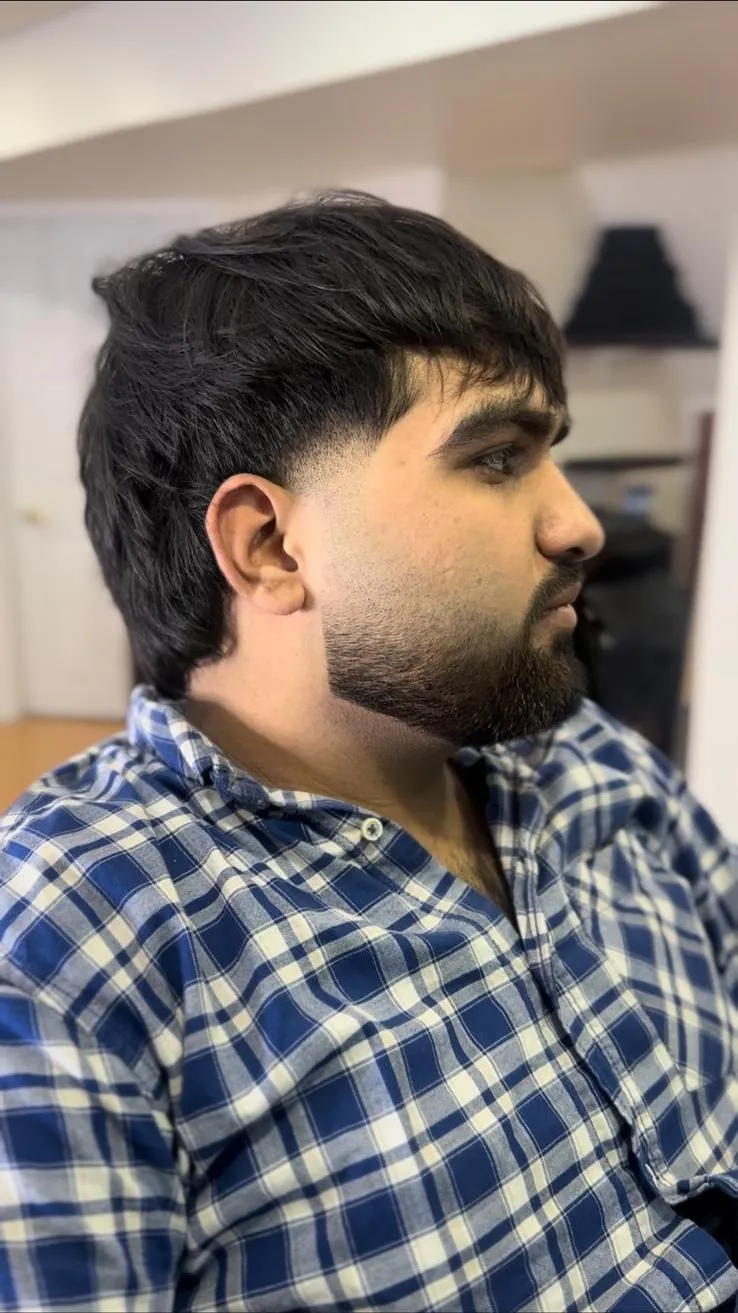
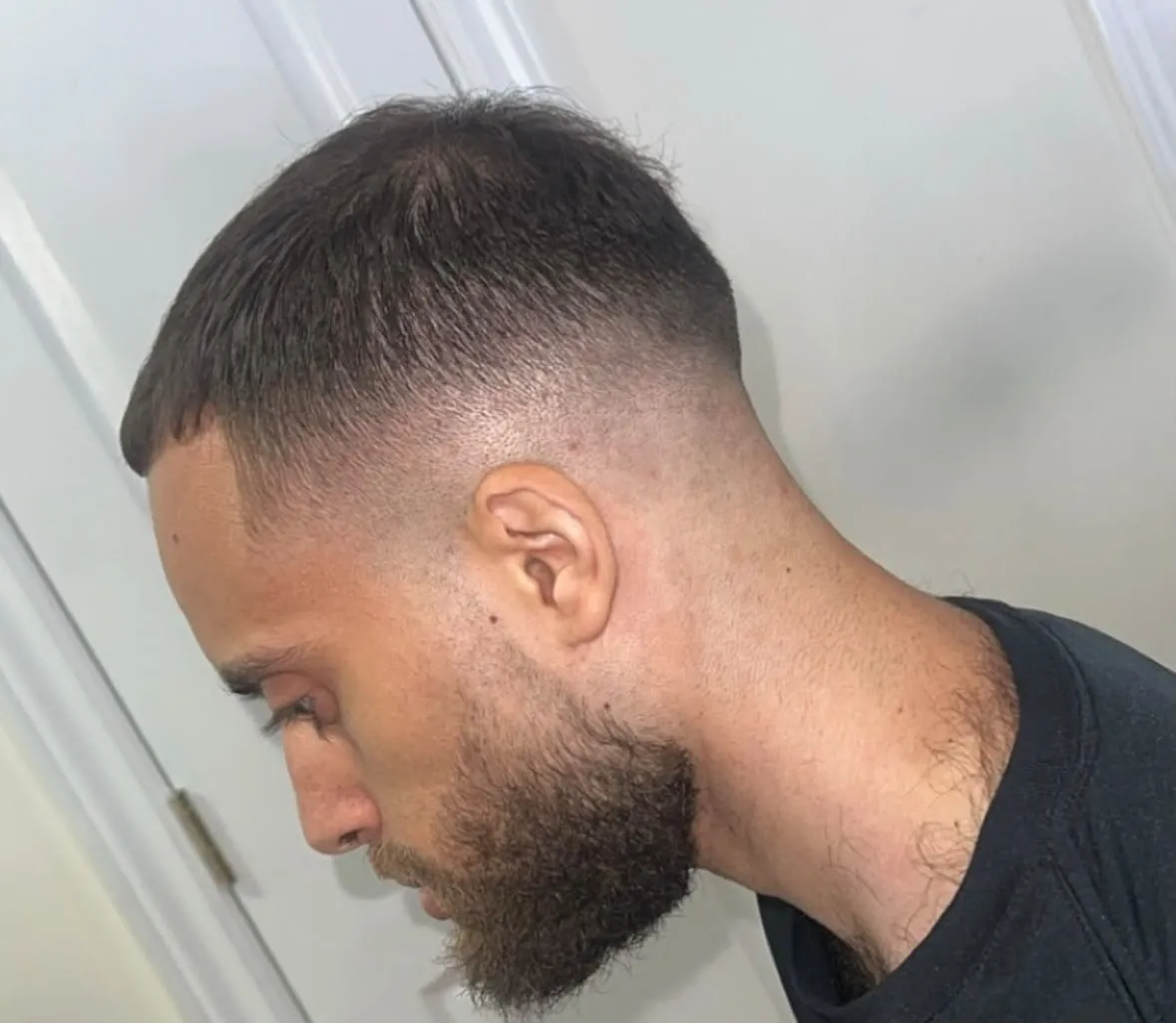
Short answer: A faux hawk is a haircut where the top is cut longest down the centre line and styled toward the middle into a ridge, while the sides are kept short but not shaved, usually faded or tapered to a No. 1 to No. 3. It gives the silhouette of a mohawk without committing to bare sides, and it can be brushed flat or to the side on days when a ridge is too much.
The ridge is built into the cut, not just the product
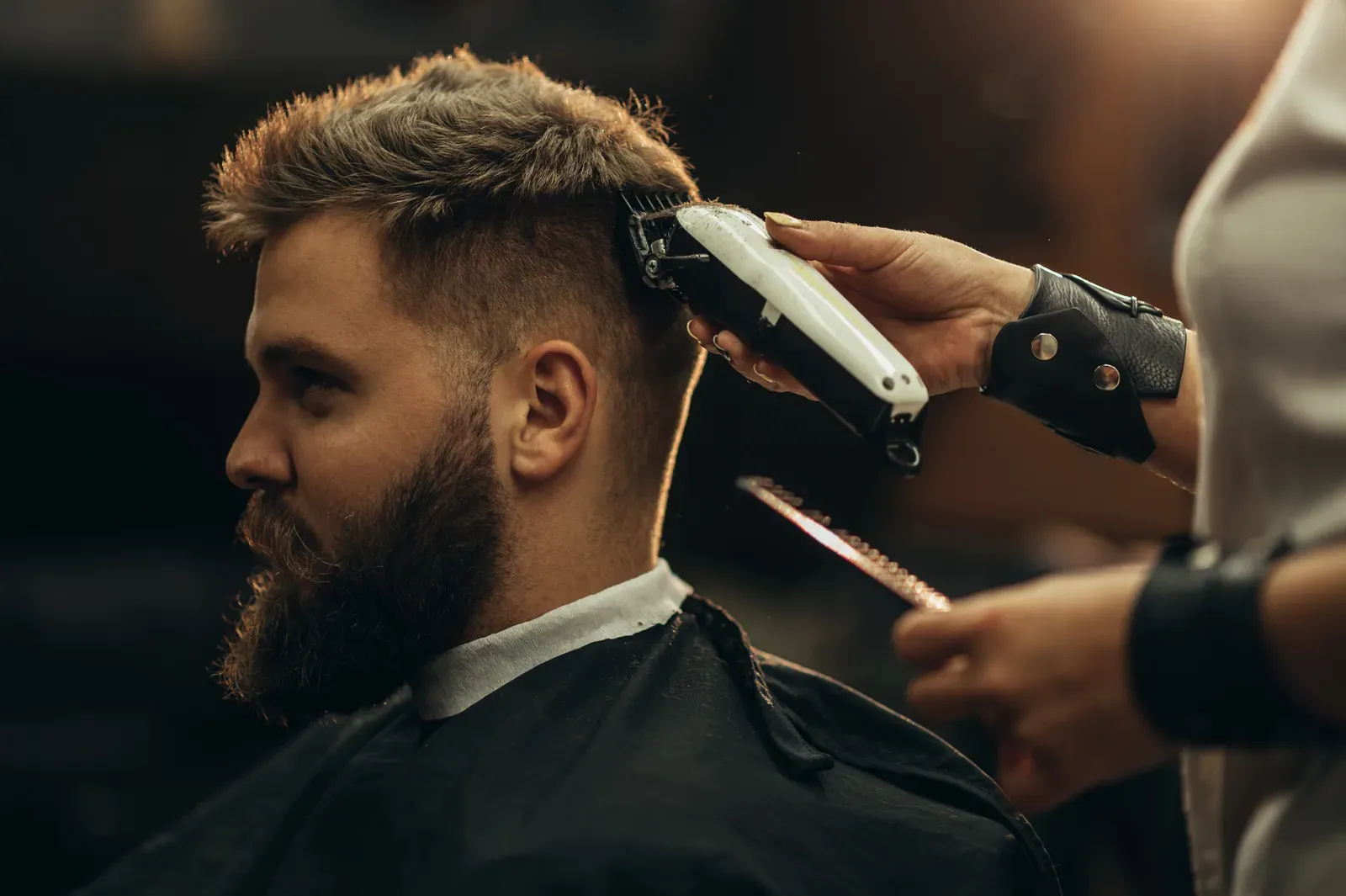
A good faux hawk holds its shape because the barber graduates the top so the centre line is longest. The hair toward the edges of the top is a centimetre or two shorter, which means it naturally leans in when you push it toward the middle.
Without that graduation, you end up forcing a flat, even top into a peak with heavy product, and it collapses by the afternoon. Tell your barber you want a faux hawk before they start on the top, not after, because the length map is different from a crop or quiff.
How it differs from a mohawk in practice
The sides are the difference. A mohawk takes the sides to skin or close to it, so the strip is obvious from any angle. A faux hawk keeps enough on the sides that the ridge reads as a styling choice, and that side hair can be combed upward to join the peak.
That makes the faux hawk far more reversible. Brush the top flat and to one side and you have a short textured cut with a fade; there is no strip to explain in a meeting.
The lengths we usually work to
These are starting points we adjust after feeling how dense your hair is and where the crown whorl sits.
- Centre line of the top: 6 to 8 cm at the front, tapering to about 4 cm at the crown.
- Outer edges of the top: 1 to 2 cm shorter than the centre so they lean inward.
- Upper sides: a No. 2 or No. 3, blended into a low or mid fade.
- Back: faded up to meet the crown, or tapered for a softer finish.
- Front hairline: left natural, then lined up with a razor at the temples.
Styling it in about three minutes
Start with towel-dried hair and blow dry the top upward and inward toward the centre. The heat does most of the shaping; product only locks it in.
Warm a fingernail-sized amount of matte paste between your palms, rake it through from the back forward, then use your fingertips to pinch the centre into a soft peak. Finish by pressing the sides of the top inward with flat palms so the ridge sharpens. Our guide to using hair clay covers how much to use on shorter lengths.
Avoid heavy gel unless you want the early-2000s shine. A dry, textured ridge looks current; a crunchy, glossy one looks dated.
A work-friendly faux hawk
If your office is conservative, ask for a lower, softer version: a taper instead of a fade on the sides, about 5 cm at the centre and a less pronounced graduation. Styled with a light cream and pushed up and slightly back, it reads as a neat textured cut, and the ridge is only suggested.
On weekends you can use more paste and pinch it higher. Same haircut, two looks. Our guide to professional haircuts covers how different offices read sides and fade height.
Hair types that hold a faux hawk best
Medium to thick straight hair and wavy hair hold the ridge easily. Fine hair can do it with a blow dryer and texture powder at the root, though the peak will be softer. Curly hair makes a great, rounder version with no product fight at all; just cut the centre longer and let the curls stack. Very coily hair suits the frohawk, which is shaped rather than styled.
Faux hawk: common questions
Is a faux hawk still in style?
The stiff, gelled version from the 2000s is not, but a matte, textured ridge over a fade is still a common request. The finish is what dates it.
Can I do a faux hawk with short hair?
You need about 4 cm at the centre as a minimum. Shorter than that and it reads as a textured crop pushed up.
Will a faux hawk suit a round face?
Usually yes. The height in the centre and the short sides make a round face look longer, which is why it often gets recommended for rounder faces.
How is a faux hawk different from a quiff?
A quiff lifts the front up and back, while a faux hawk pulls the whole top toward a centre line from front to crown.