
Beard Styles
Short Boxed Beard: The Sharp, Structured Everyday Beard
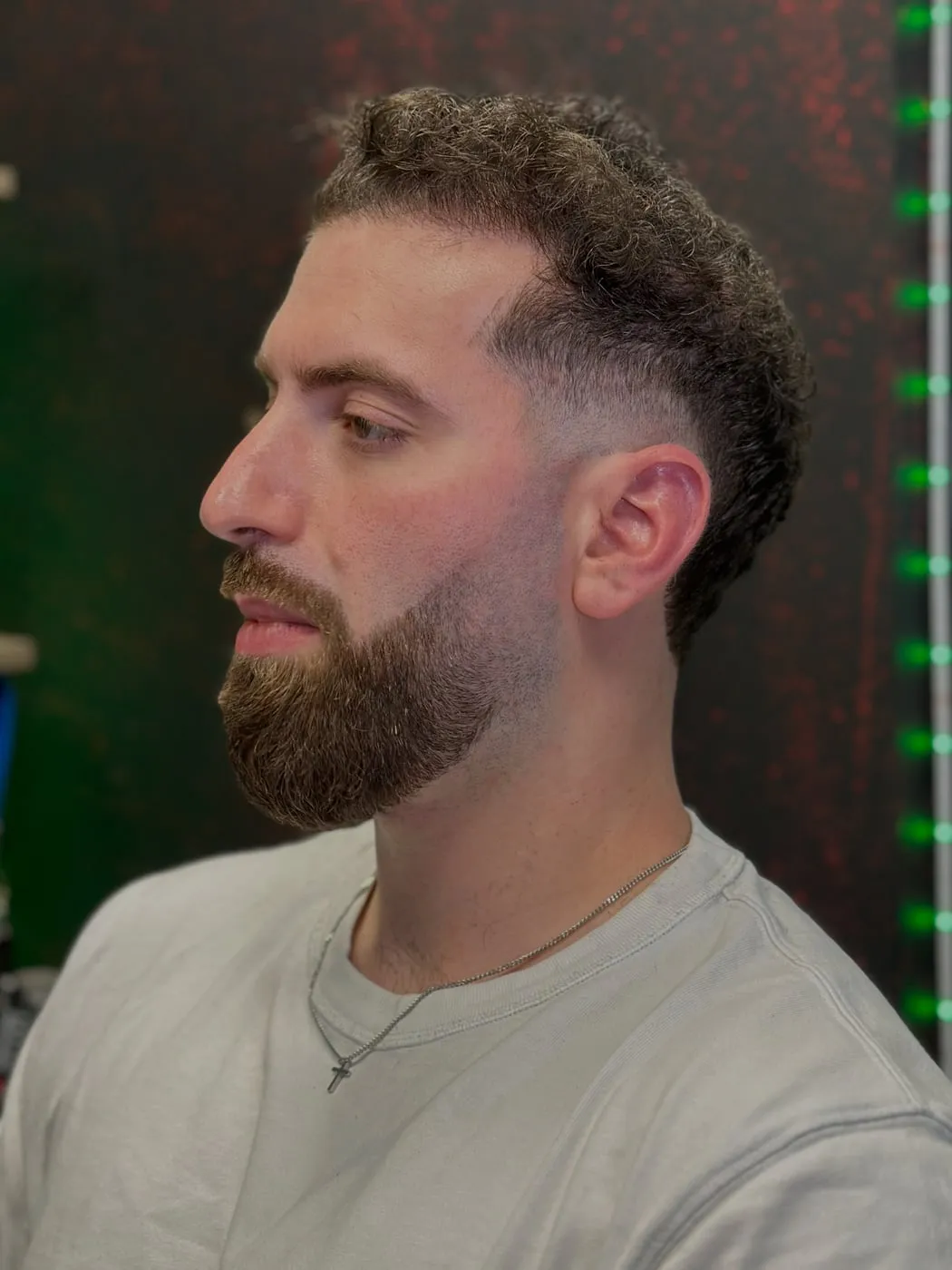
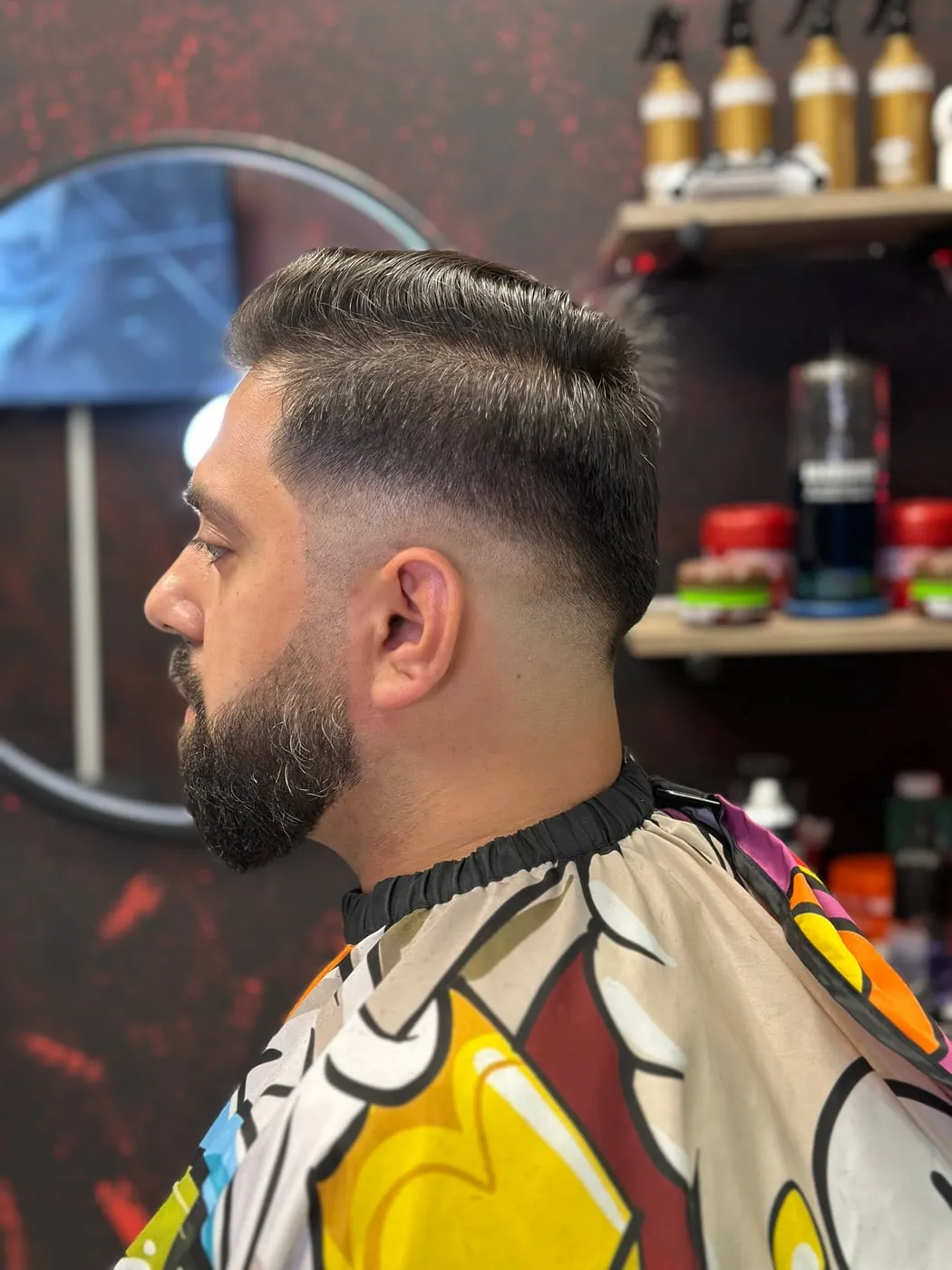
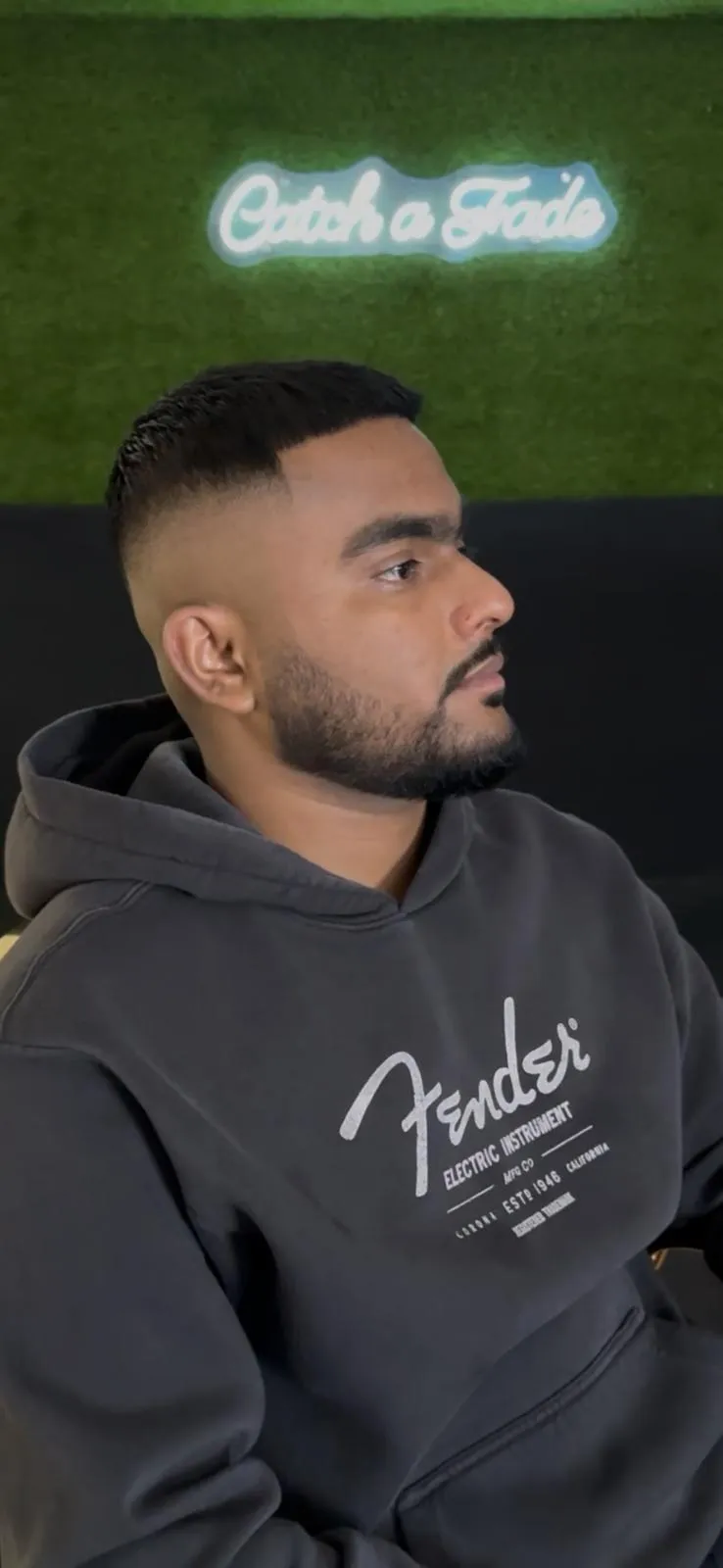
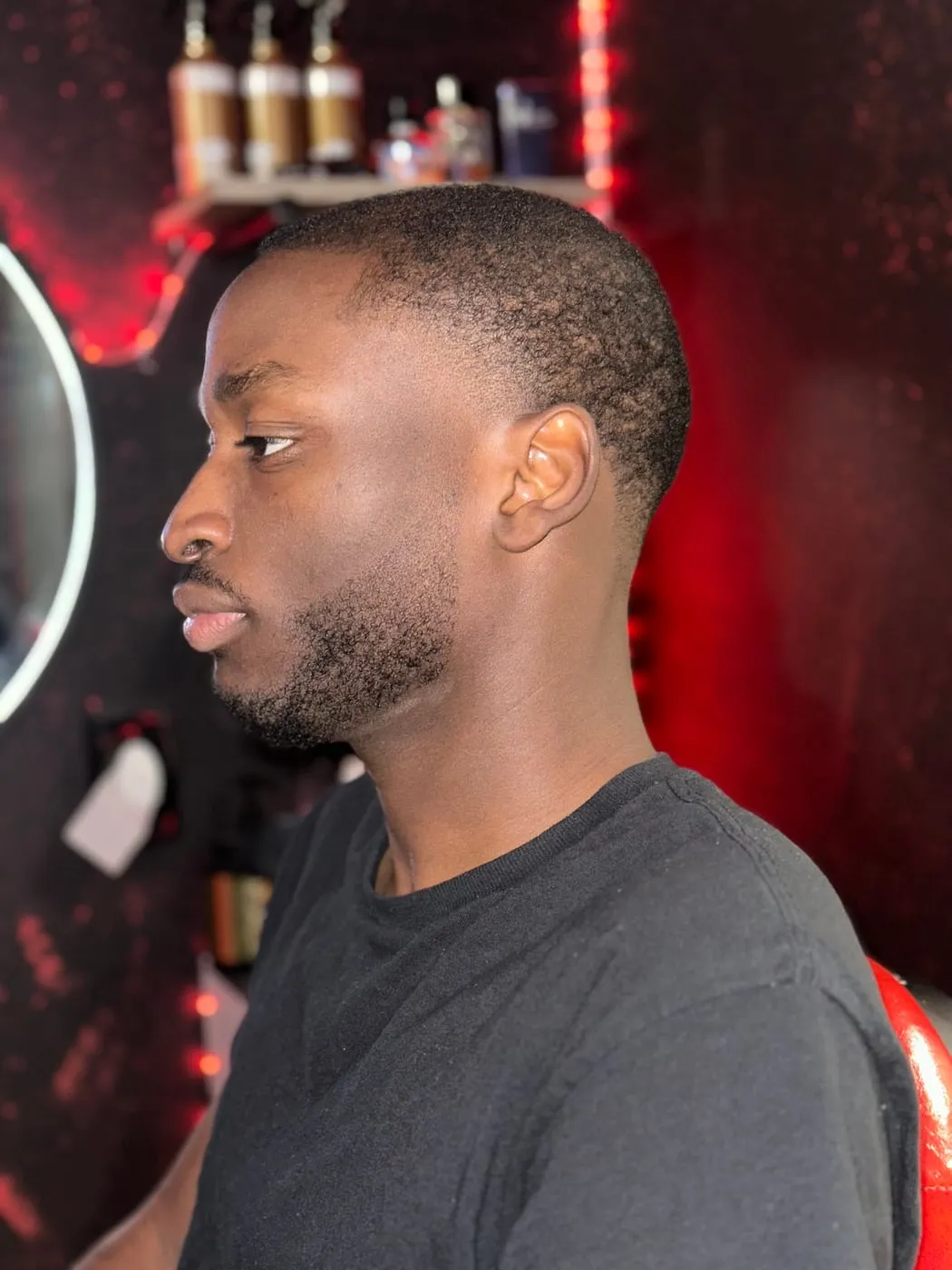
Short answer: A short boxed beard is a full beard kept at roughly 1 cm (under half an inch), with the sides trimmed tighter than the chin and clean, deliberate cheek and neck lines. The slightly longer chin and squared edges build a stronger-looking jaw, and it pairs naturally with a fade. It needs a quick trim at home about once a week and a barber reset every 2 to 3 weeks.
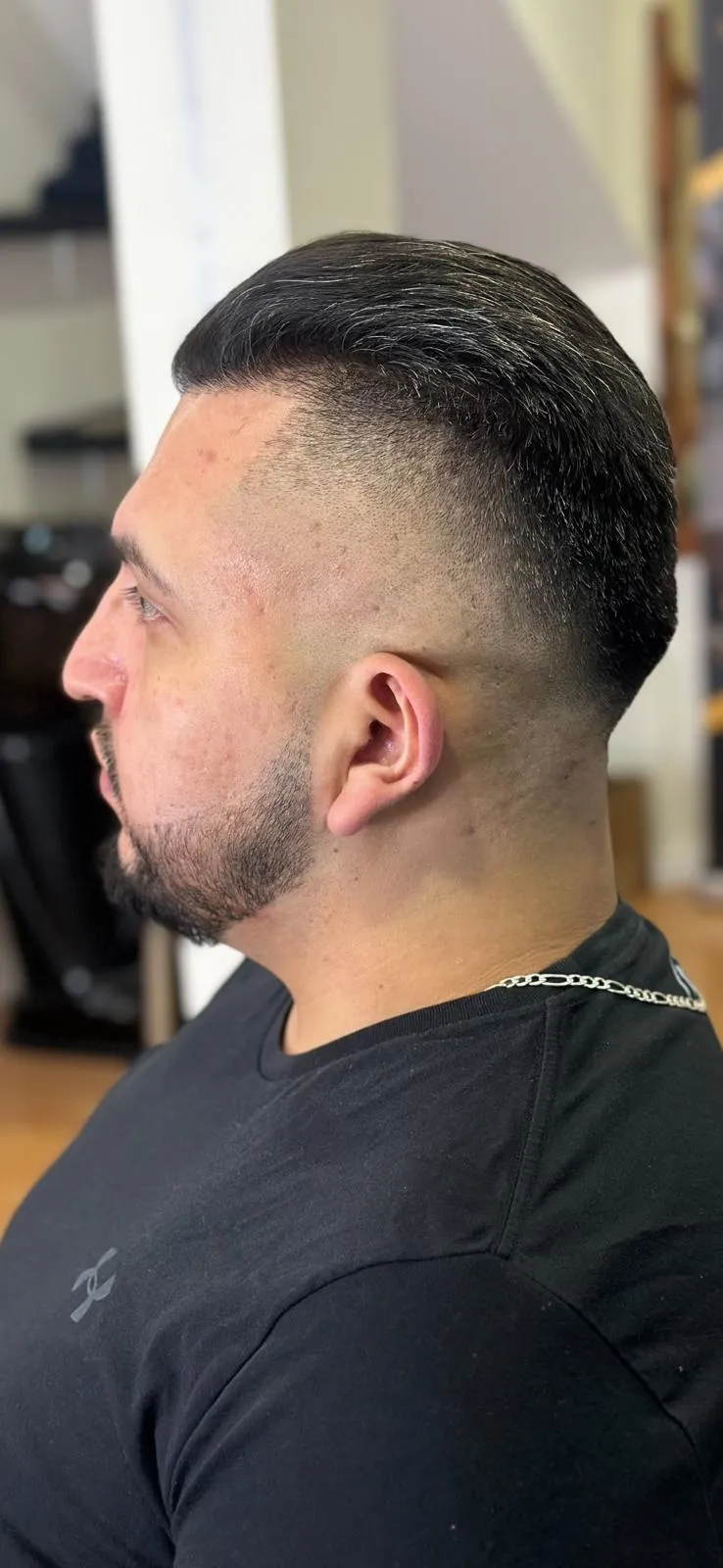
What makes a beard a short boxed beard?
Three things make a beard "boxed": short overall length, sides kept tighter than the chin, and hard edges on the cheeks and neck. Without the edges it is just a short full beard; the lines are what give it the box.
The word describes the outline from the front. The cheek line runs fairly straight from the sideburn toward the corner of the moustache, the sides drop vertically, and the chin sits a few millimetres fuller so the bottom reads square rather than pointed. It is a compact, geometric shape, and it looks deliberate even on a Monday morning.
Why it sharpens the jaw
A boxed beard adds visual structure along the jawline because the edges create shadow and contrast exactly where a soft jaw lacks them. The fuller chin extends the bottom of the face by a few millimetres, which also reduces the look of a double chin when the neckline is set correctly.
It suits round and oval faces especially well, since tight sides stop the face from widening while the squared chin adds angle. Square faces already have the angle, so for them we keep the chin almost level with the sides to avoid an over-built, blocky jaw. On long faces we leave the sides a guard fuller than usual so the beard adds width instead of length.
- Round face: tight sides, chin 3 to 4 mm longer than the cheeks.
- Oval face: even proportions, the classic version.
- Square face: chin nearly level with the sides.
- Long face: fuller sides, chin kept short.
Trimmer settings that build the box
The easiest home method is to use two guard lengths: a shorter one for the cheeks and sides and a longer one for the chin and moustache area. Most trimmers mark guards in millimetres, so the numbers below translate directly.
We cut against the direction of growth on the sides, then with the grain on the chin so it keeps a little weight. Always start one guard longer than you think; you can go shorter next week but you cannot put length back.
| Zone | Typical guard | Why |
|---|---|---|
| Sideburns and upper cheeks | 3 to 6 mm | Keeps the sides tight and vertical |
| Lower cheeks and jaw corner | 6 to 9 mm | Transitions into the chin |
| Chin | 9 to 12 mm | Adds the square bottom |
| Moustache | Trimmed at the lip line | Clears the lip, matches the chin |
Where the lines go
The cheek line sits on or just below the natural growth line, never carved down toward the jaw. Pulling it low looks sharp for a day, then makes the beard look thinner and the face wider; our page on the beard cheek line covers the options in detail.
The neckline sits about one to two finger widths above the Adam's apple and curves back toward the ears. We set both lines with a trimmer, then finish with a razor for the crisp edge that gives the style its name. For a boxed beard, the corners where the sideburn meets the cheek line should stay soft and slightly rounded; a hard right angle there looks drawn on.
A weekly routine that holds the shape
A short boxed beard loses its outline in about 5 to 7 days, because stubble fills in above the cheek line and below the neckline first. One ten-minute session a week keeps it right between barber visits.
- Wash and dry the beard fully; damp hair lies flatter and cuts shorter than you expect.
- Brush everything downward so the length sits naturally.
- Run the shorter guard over the sideburns and cheeks, then the longer guard over the chin.
- Clear stray hairs above the cheek line and below the neckline with the bare trimmer, following last week's edge rather than inventing a new one.
- Trim any moustache hairs that cross the top lip.
- Finish with a few drops of oil worked into the skin, not only the hair.
Pairing it with a fade
A short boxed beard is built for a fade, because both are short and structured. The fade runs down the sideburn and connects to the beard, so the side of the head and the cheek read as one clean gradient; that blend is described on our beard fade page.
For that reason we usually recommend booking Haircut + Beard so the same barber sets both lengths together. Between cuts, a Beard Only + Lineup visit resets the edges when the hair on your head still looks fine.
Short boxed beard: common questions
How long does it take to grow a short boxed beard?
Most men need 3 to 5 weeks of untouched growth so the chin has enough length to sit longer than the sides. Patchy areas usually fill in better if you wait the full five weeks before the first shape.
Is a short boxed beard the same as a corporate beard?
They overlap, but a boxed beard is defined by its squared outline and contrast between sides and chin, while a corporate beard is about keeping every area even and understated for the office.
Can I keep a boxed beard with a patchy cheek?
Often, yes. Keeping the sides at 3 to 4 mm hides minor gaps because short hair makes density differences less obvious, and a natural cheek line avoids exposing the patchy area.
What trimmer guard should I start with?
Start with around 6 mm on the sides and 10 to 12 mm on the chin, then step down a millimetre at a time over the following weeks until the shape feels right.