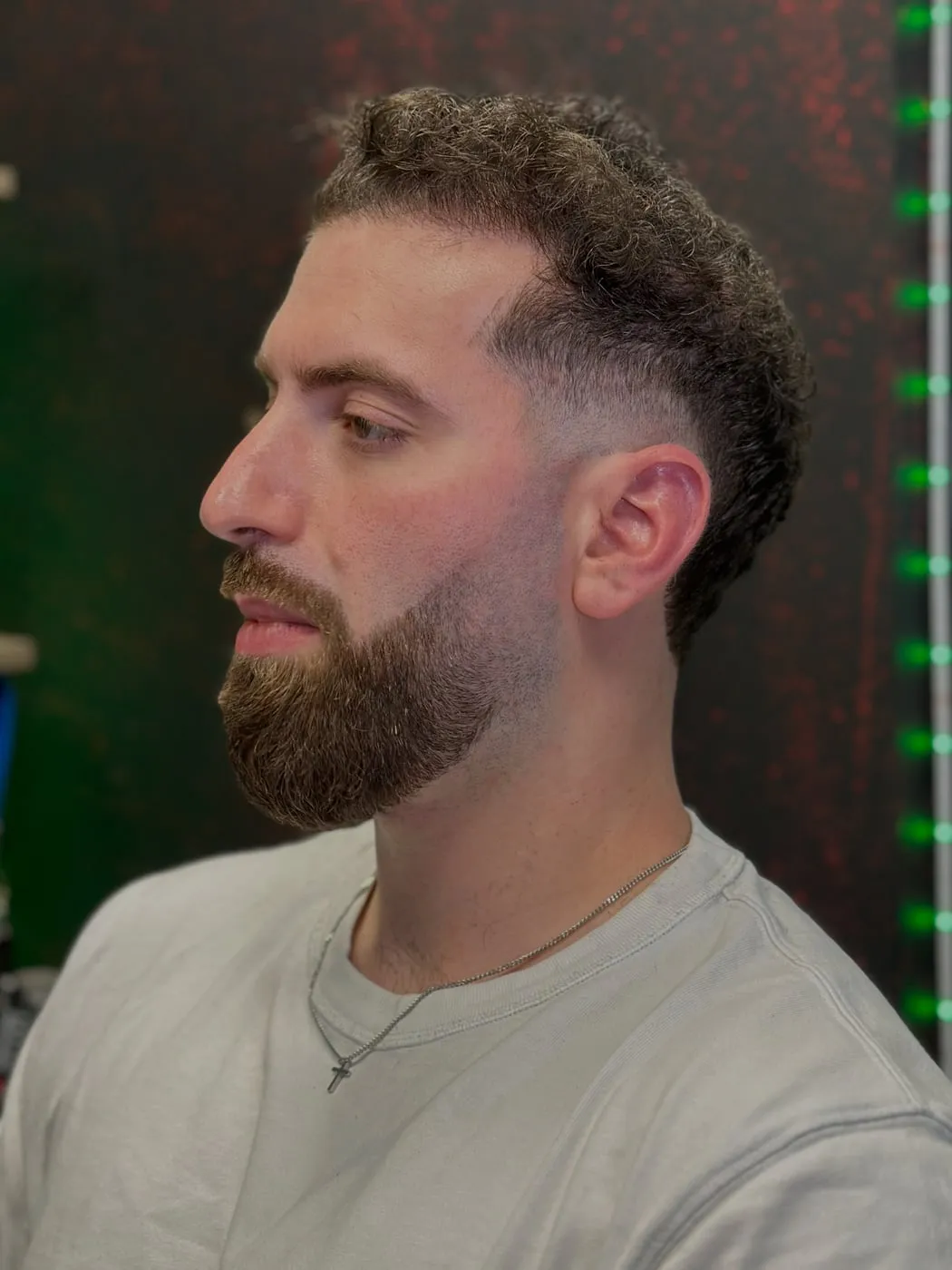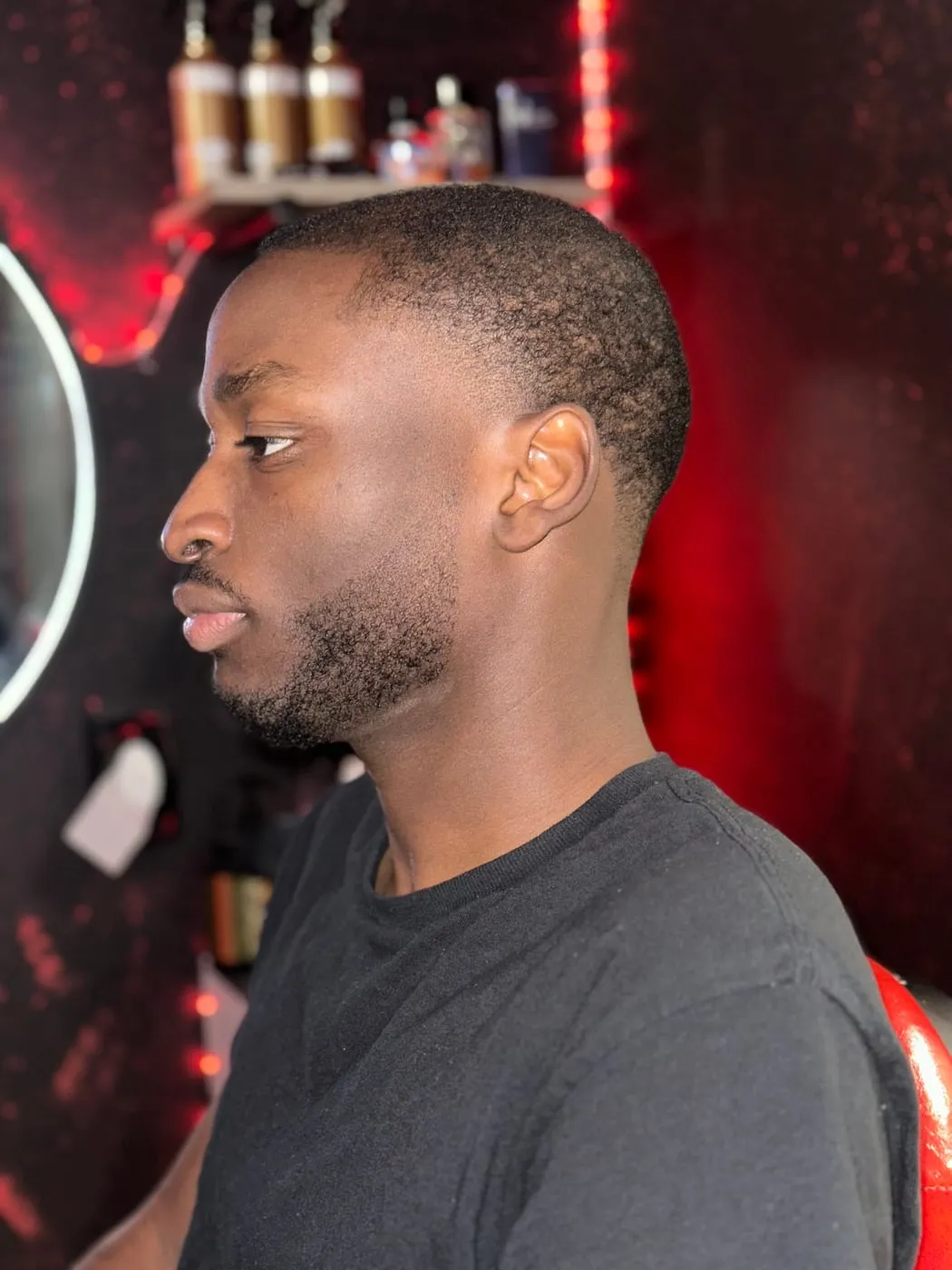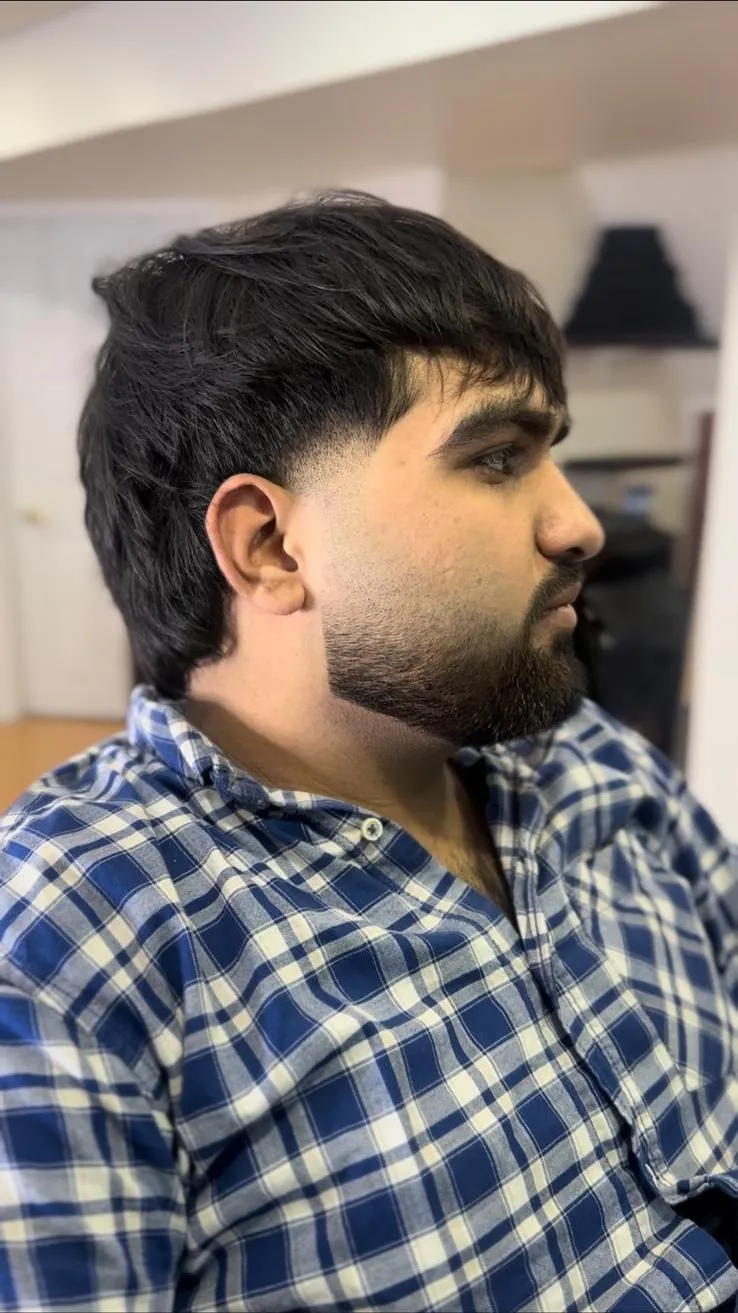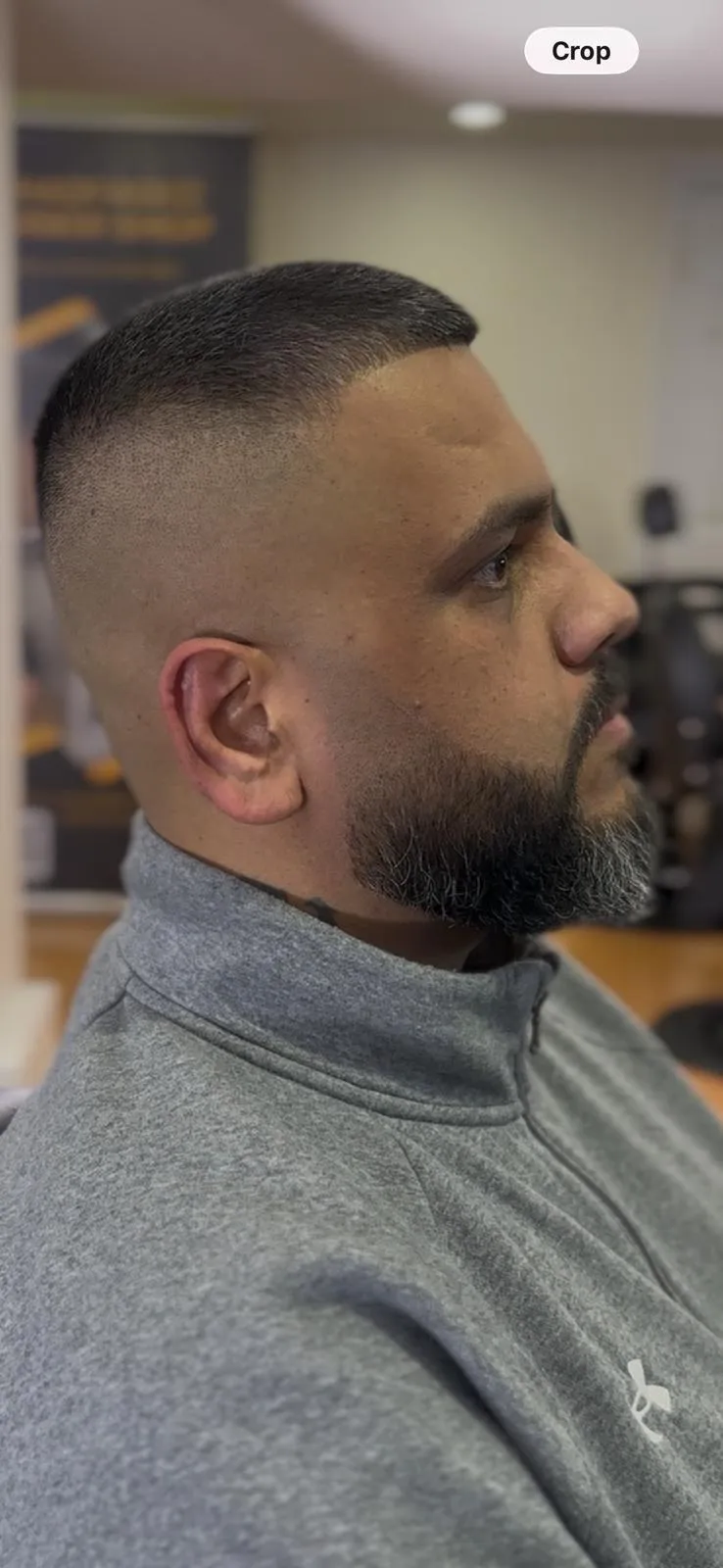

Beard Styles
Balbo Beard: No Sideburns, a Floating Moustache and Clean Line Work
Short answer: A Balbo beard is a beard that covers the chin and lower jaw but has no sideburns, paired with a moustache that floats above it without connecting. A small soul patch under the lip often joins the two parts into an inverted T shape. It is named after Italo Balbo, an Italian air marshal of the 1930s, and it softens a very strong or wide jaw while keeping a sharp, sculpted look.

Who Italo Balbo was, briefly
Italo Balbo was an Italian aviator and air marshal in the 1920s and 1930s, known for leading long-distance formation flights, including one that reached North America in 1933. His distinctive facial hair, a trimmed beard with a separate moustache, is where the style name comes from.
The name is simply a label for the shape. What matters for you is the structure: no sideburns, a beard that sits low on the face, and a moustache that stands alone.
How a Balbo is put together
Think of the Balbo as three separate pieces arranged on the lower face. Getting their proportions right is most of the work.
- The jaw beard: covers the chin and runs partway along the jaw, usually ending around the line of the outer corner of the eye; its top edge sits well below the cheekbone.
- The soul patch: a strip under the lower lip that links down to the chin beard, forming the upright of the inverted T.
- The moustache: grown separately, usually trimmed flat along the lip or lightly shaped, with a small gap at each mouth corner.
- The bare zones: sideburns, upper cheeks and the skin between moustache and beard, all shaved.
Why it balances a strong jaw
Removing the sideburns and keeping the beard low shifts visual weight toward the centre of the lower face. On a square or wide jaw, that softens the corners, because the beard wraps the chin and front jaw instead of widening the face at the ear.
It is less flattering on a round face with a soft jaw, where an anchor beard or a longer pointed chin adds the length that a Balbo does not. On long faces the Balbo works if the chin is kept short. Our square face guide explains how jaw width affects both haircut and beard choices.
The line work that makes or breaks it
A Balbo lives on its edges; with three pieces and several bare areas, one uneven line is obvious. There are five edges to keep consistent, compared with two on a full beard.
We start with the moustache so it sets the proportions, then shape the soul patch as wide as the space under the nose, and finally carve the jaw beard so its ends sit level on both sides. Each edge is finished with a razor. The gap between moustache and jaw beard is kept around a fingertip wide; much narrower and it reads as a sloppy connected goatee.
- Trim moustache and beard to working length, typically 6 to 15 mm.
- Shave the sideburns down to the level where you want the jaw beard to end.
- Set the top edge of the jaw beard, keeping it parallel to the jawbone.
- Define the soul patch and the gaps at the mouth corners.
- Razor each line and compare both sides from straight on.
Living with a Balbo day to day
Shave the sideburn area and upper cheeks every day or two and clip the moustache corners weekly so the gaps stay open. The beard pieces themselves grow slowly out of shape, so a professional reset every 2 to 3 weeks keeps the proportions right.
Because much of the face is shaved, men prone to irritation should shave with the grain and use a clear gel. A Beard Only + Lineup handles the reset, and if you also want your haircut to sit right with no sideburns, mention it at the consultation so we taper the hair above the ear accordingly.
Balbo beard: common questions
Is a Balbo the same as an anchor beard?
They are close. The anchor usually ends in a pointed chin with narrow jaw arms, while the Balbo keeps a squarer, fuller chin and usually includes a soul patch in an inverted T.
How long does it take to grow a Balbo?
Three to four weeks is usually enough on the chin and jaw. You can shave the sideburns from day one.
What haircut goes with a Balbo?
Short sides with a low taper or a classic side part suit it, because they keep the area above the missing sideburns neat. See our side part page for one pairing.
Does the Balbo need a soul patch?
Not strictly. Without it the style still reads as a Balbo, but the inverted T shape is the classic version.