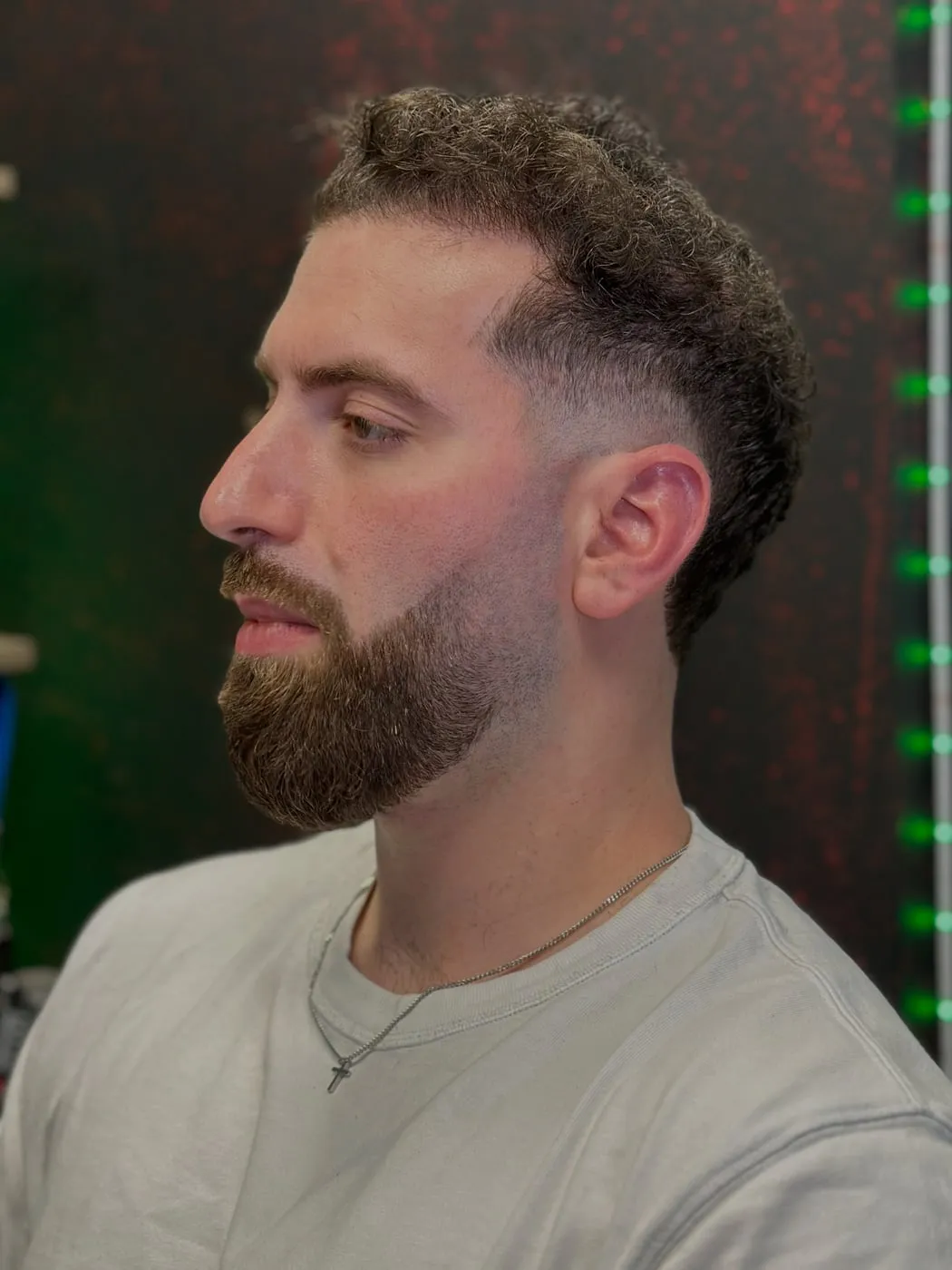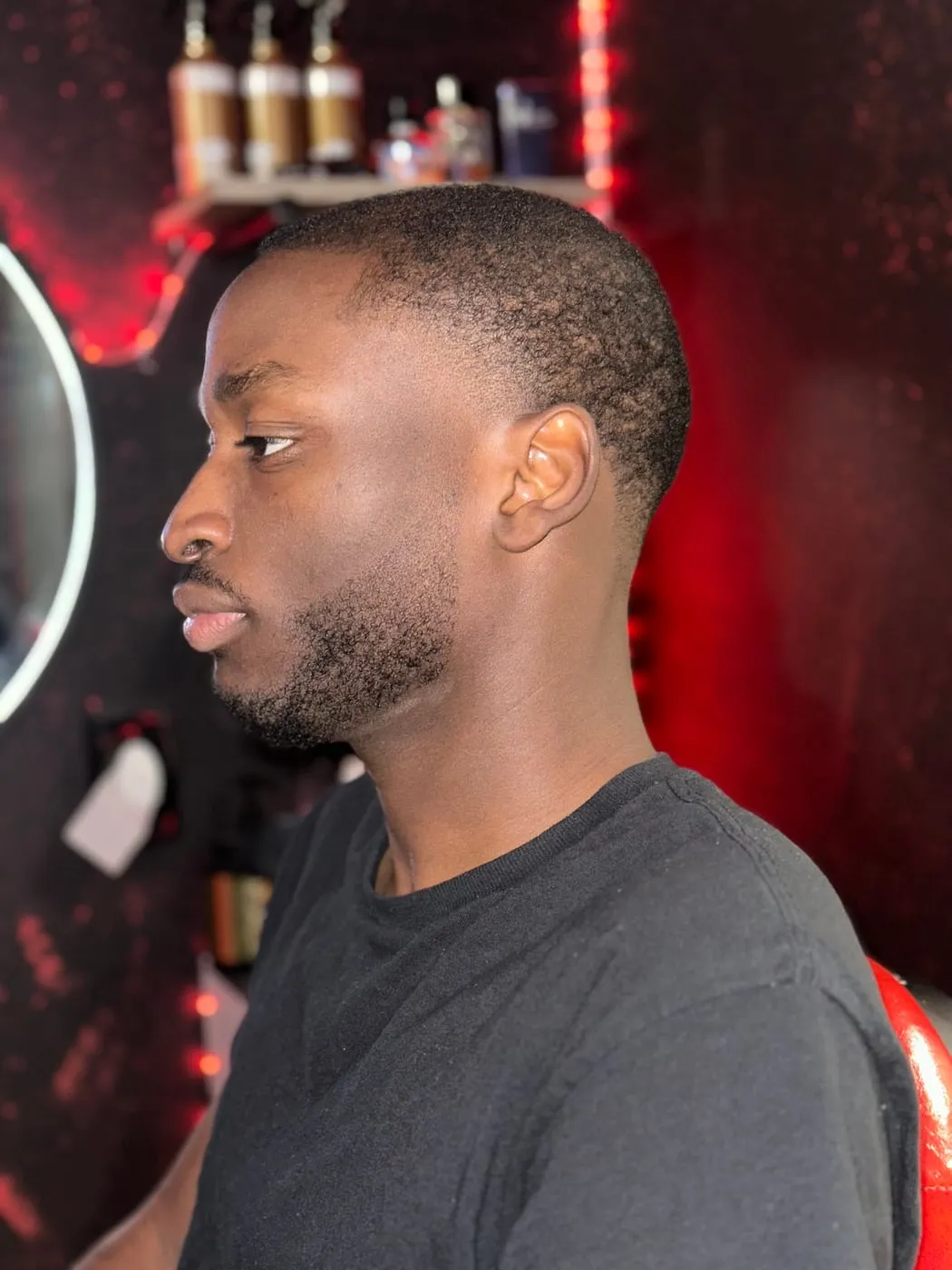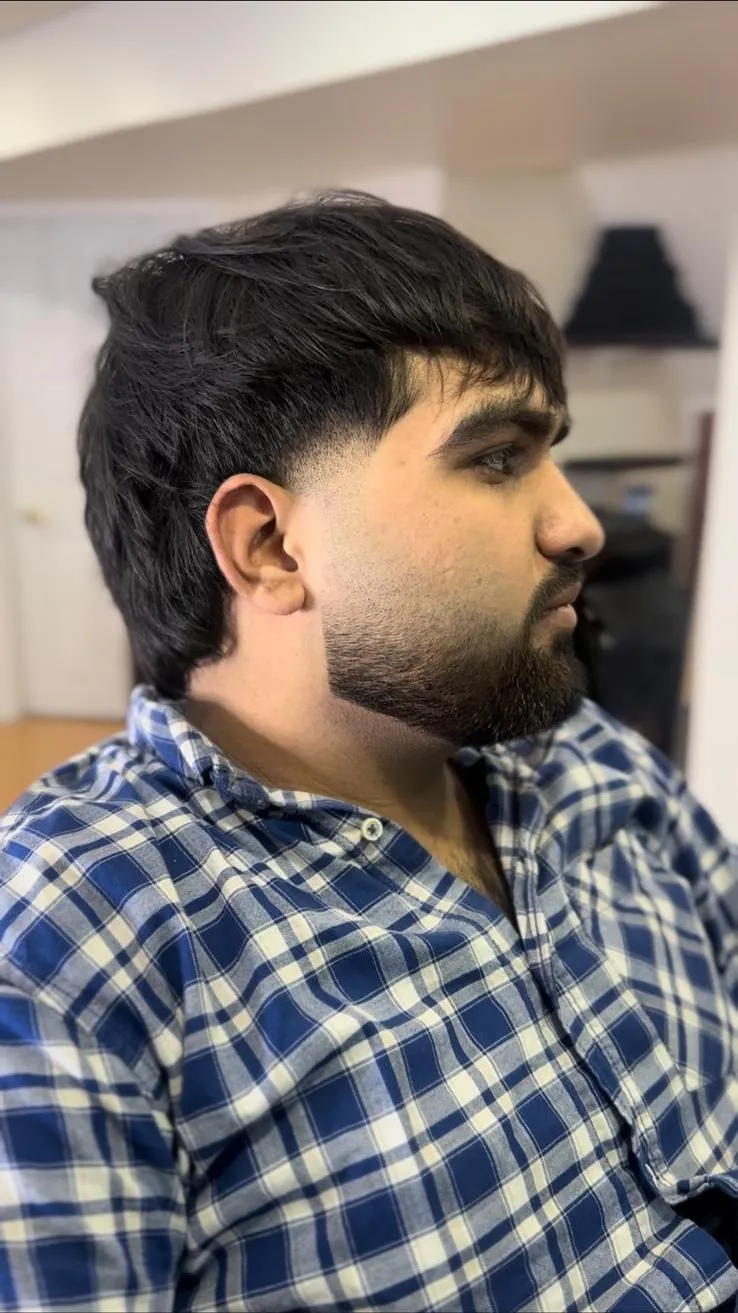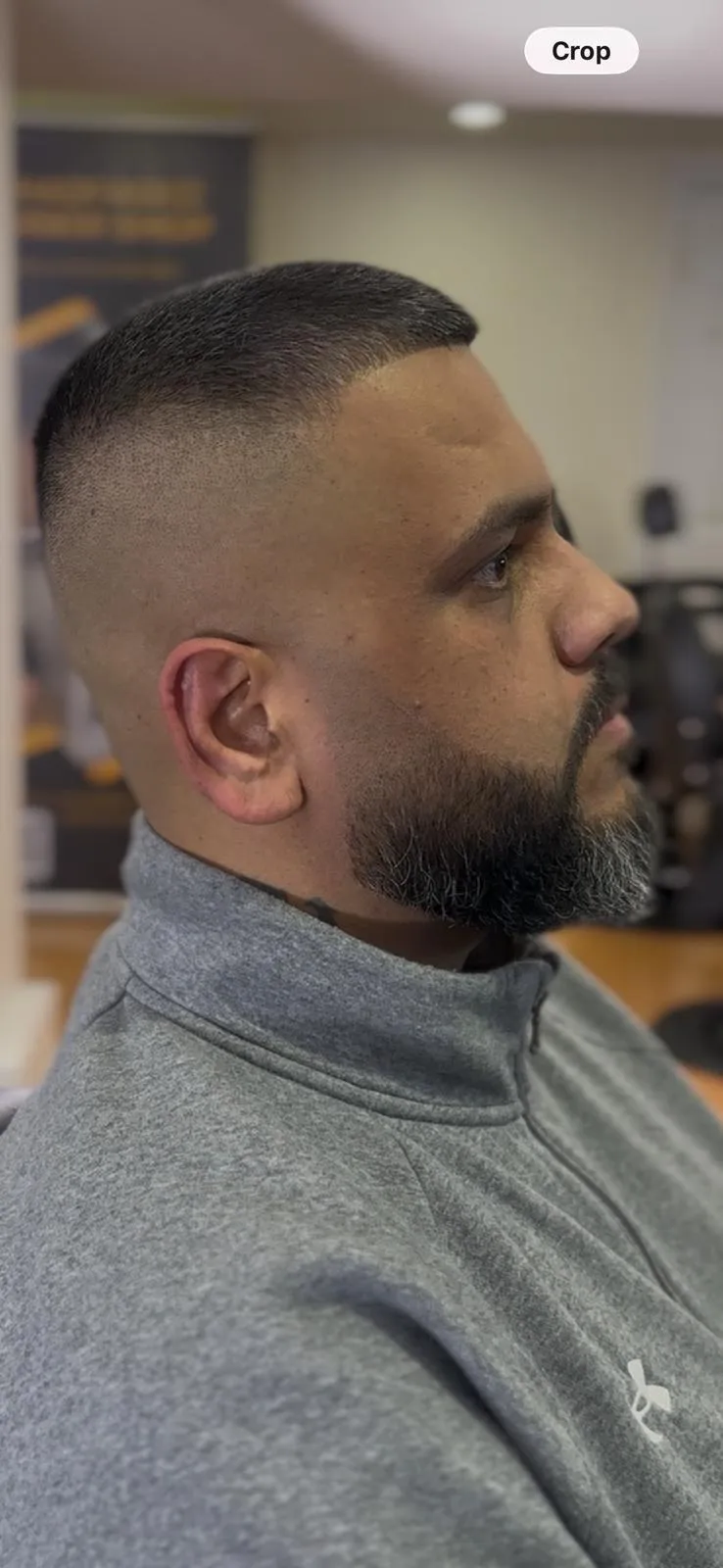

Beard Styles
Goatee: Chin-Only and Connected Styles, and Who Each Suits
Short answer: A goatee is facial hair grown on the chin and usually around the mouth, with the cheeks and jaw shaved clean. The original goatee is a chin-only tuft; most people today mean the connected version, where the moustache joins the chin hair to form a ring or rectangle. It adds definition to a soft or receding chin and needs the cheeks shaved every day or two.
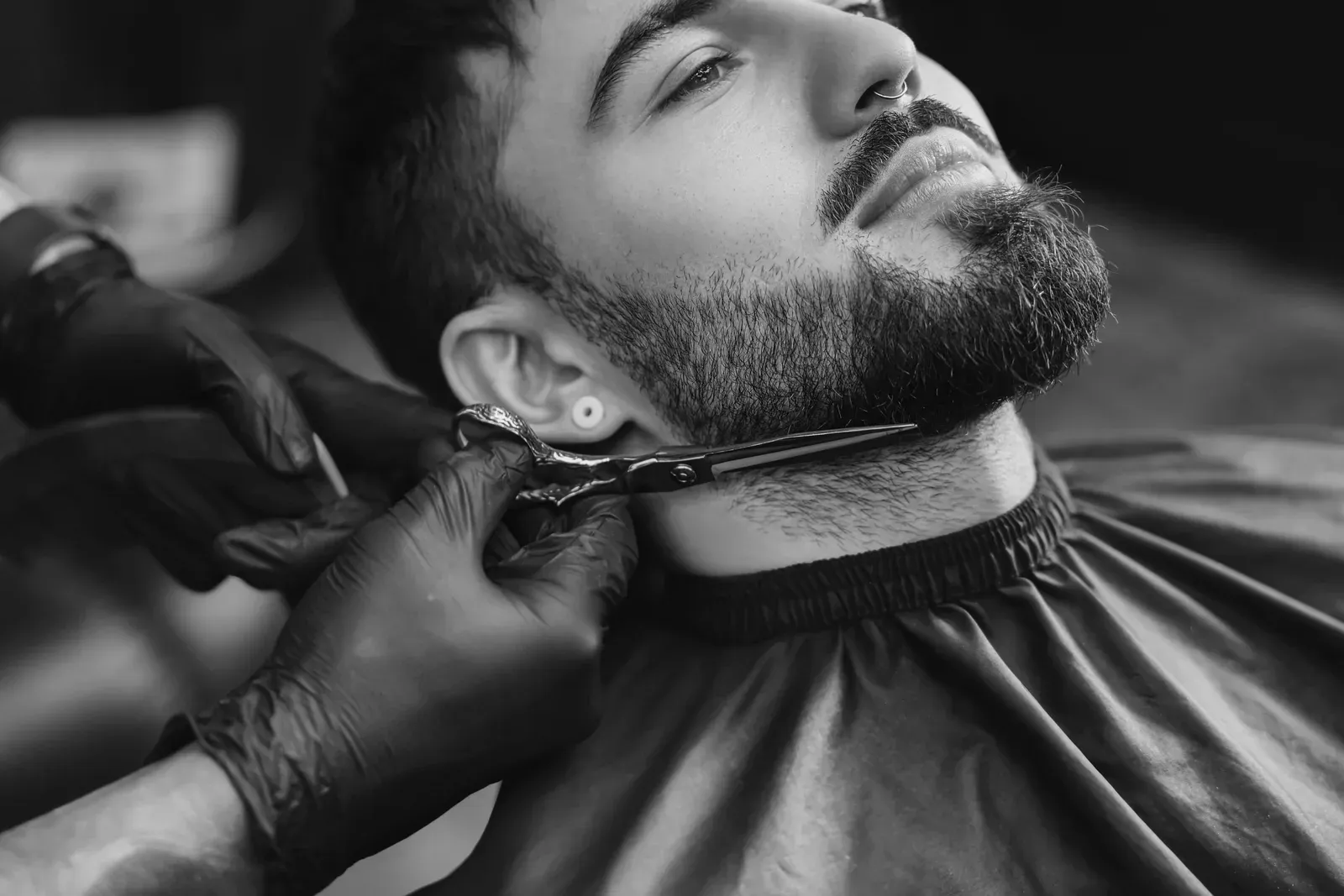
Chin-only or connected: the two families of goatee
Barbers split goatees into two groups: the true goatee, which is hair on the chin only, and connected styles, where the chin hair links to a moustache. Everything else is a variation on those two.
The chin-only version is named after the tuft on a billy goat and usually sits below the lower lip, about as wide as the mouth. Connected styles are more common now because they frame the mouth and look fuller. When the connection is tight and rounded, it becomes a circle beard; when the moustache floats separately above a pointed chin, it becomes a Van Dyke.
- Chin-only goatee: a patch on the chin, no moustache.
- Soul patch: a small patch under the lower lip only.
- Connected goatee: moustache joined to chin hair down the corners of the mouth.
- Extended goatee: a connected goatee pushed out along the jaw, covered on its own page.
How a goatee strengthens a soft chin
A goatee adds length and structure exactly where a small or receding chin lacks it. Keeping the hair a few millimetres longer at the bottom, and squaring or slightly pointing the base, makes the chin project further in profile.
Width is the other lever. On a round face, keep the goatee narrow, no wider than the corners of the mouth, so the vertical line lengthens the face. On a long or narrow face, a wider goatee that stops at the outer edge of the chin balances the proportions. We check this from the side as well as the front, because a goatee is judged in profile more than most styles.
Keeping cheeks shaved clean
The contrast between shaved cheeks and a dense goatee is the whole look, so the cheeks need to stay clean. Stubble that creeps in over three or four days blurs the outline and makes the goatee look like an overgrown beard.
Shave the cheeks and jaw every day or two, going with the grain first to reduce irritation. Use a clear shave gel so you can see the edges of the goatee while you work. If your skin reacts to daily razor shaving, a foil shaver or a trimmer taken to bare comb is gentler, and our razor bump prevention guide covers technique.
Getting the shape symmetrical at home
Symmetry is where home goatees fail, usually because one side gets trimmed from a slightly different angle. Work in small passes and check straight on after each side.
- Trim the goatee to length first, with a 6 to 12 mm guard depending on how full you want it.
- Mark the width by looking straight into the mirror: the outer edges usually line up with the corners of the mouth or the edges of the nostrils.
- Shave one side's outer edge, then match the other side to it before going further.
- Shape the bottom edge under the chin; for a strong chin line keep it along the jaw bone, not down the neck.
- Trim any moustache hair crossing the lip.
When a barber makes the difference
A barber sets the outline so you only have to maintain it. During a Beard Only + Lineup we map the edges to your face, take the cheeks down with a trimmer and finish the outline with a razor so it stays crisp for days.
It is worth booking again every 2 to 3 weeks, or whenever the shape starts to drift. Most drift happens on the side you trim with your less dominant hand.
Goatee: common questions
What is the difference between a goatee and a Van Dyke?
A Van Dyke has a moustache that does not connect to the pointed chin hair; a connected goatee joins them. Our goatee vs Van Dyke comparison sets them side by side.
Does a goatee suit a round face?
Yes, if it is kept narrow and slightly longer at the chin. The vertical shape draws the eye downward and makes the face read longer.
How long should a goatee be?
Most look best between about 6 mm and 2 cm. Longer goatees can work, but they need regular shaping so the bottom does not drift into a point you did not plan.
Can I grow a goatee if my cheeks are patchy?
It is one of the best options for patchy growth, because the chin and moustache usually fill in before the cheeks do.