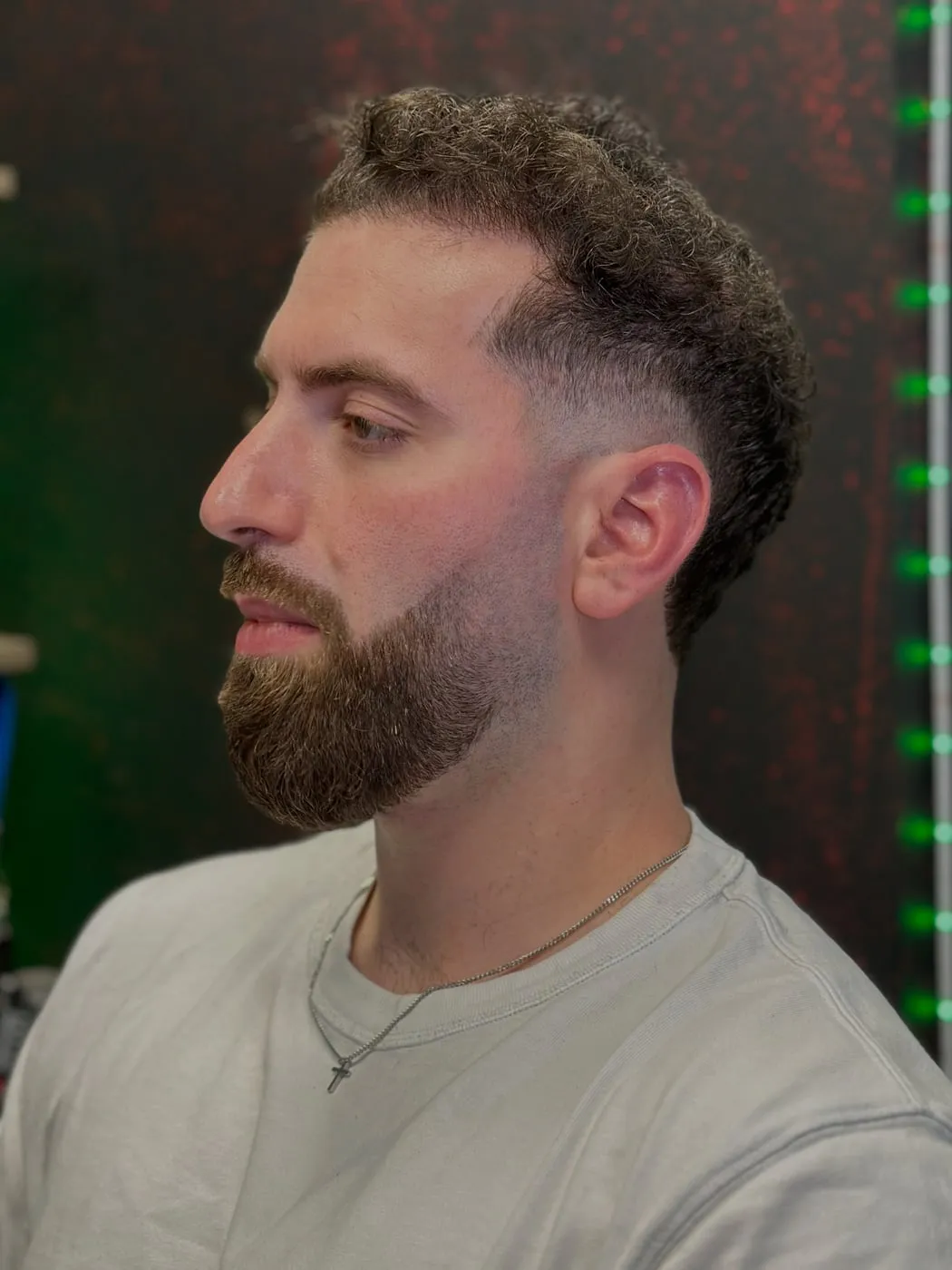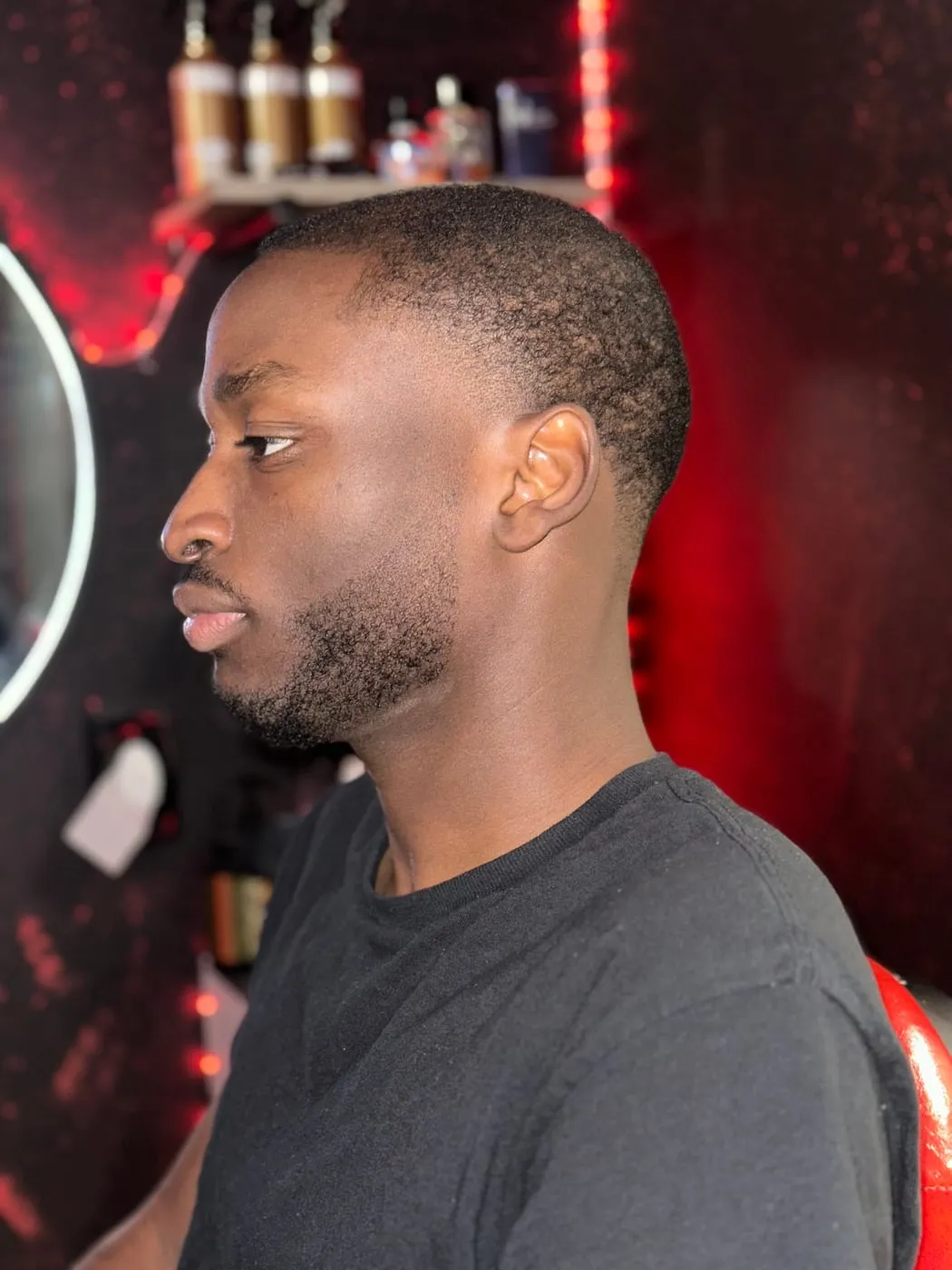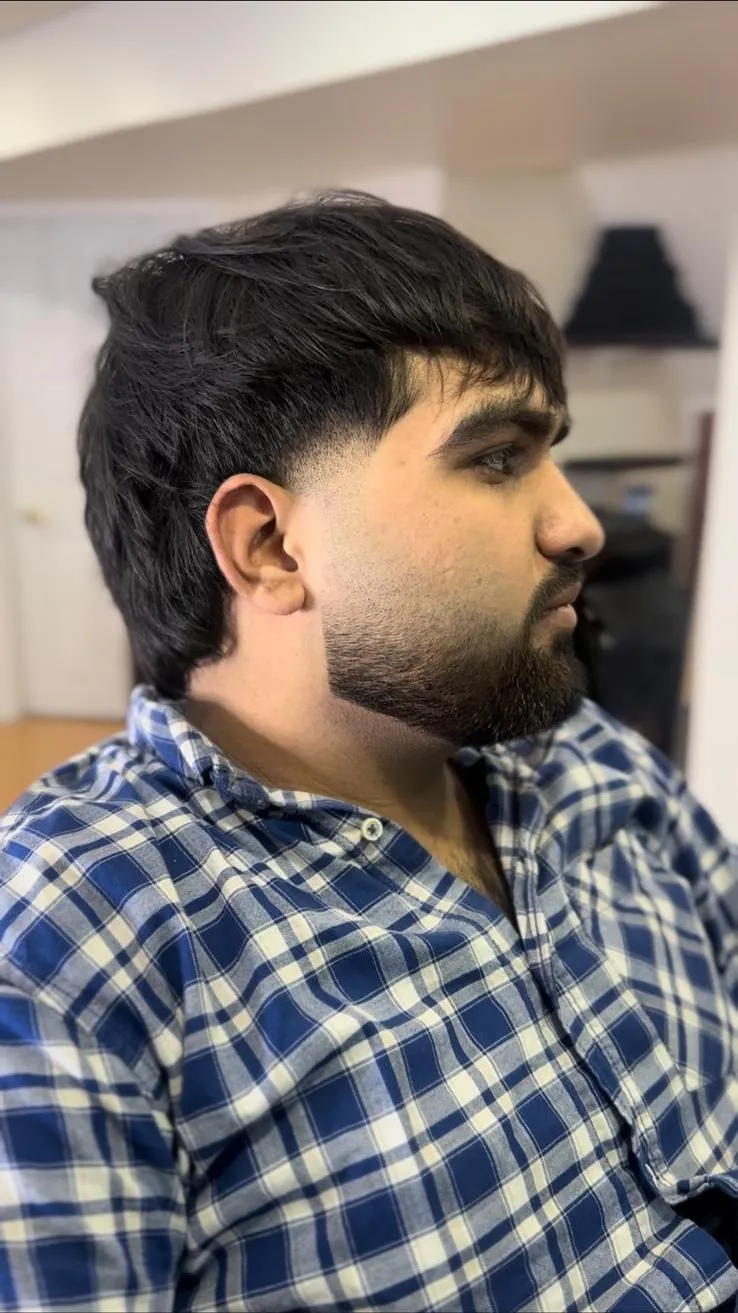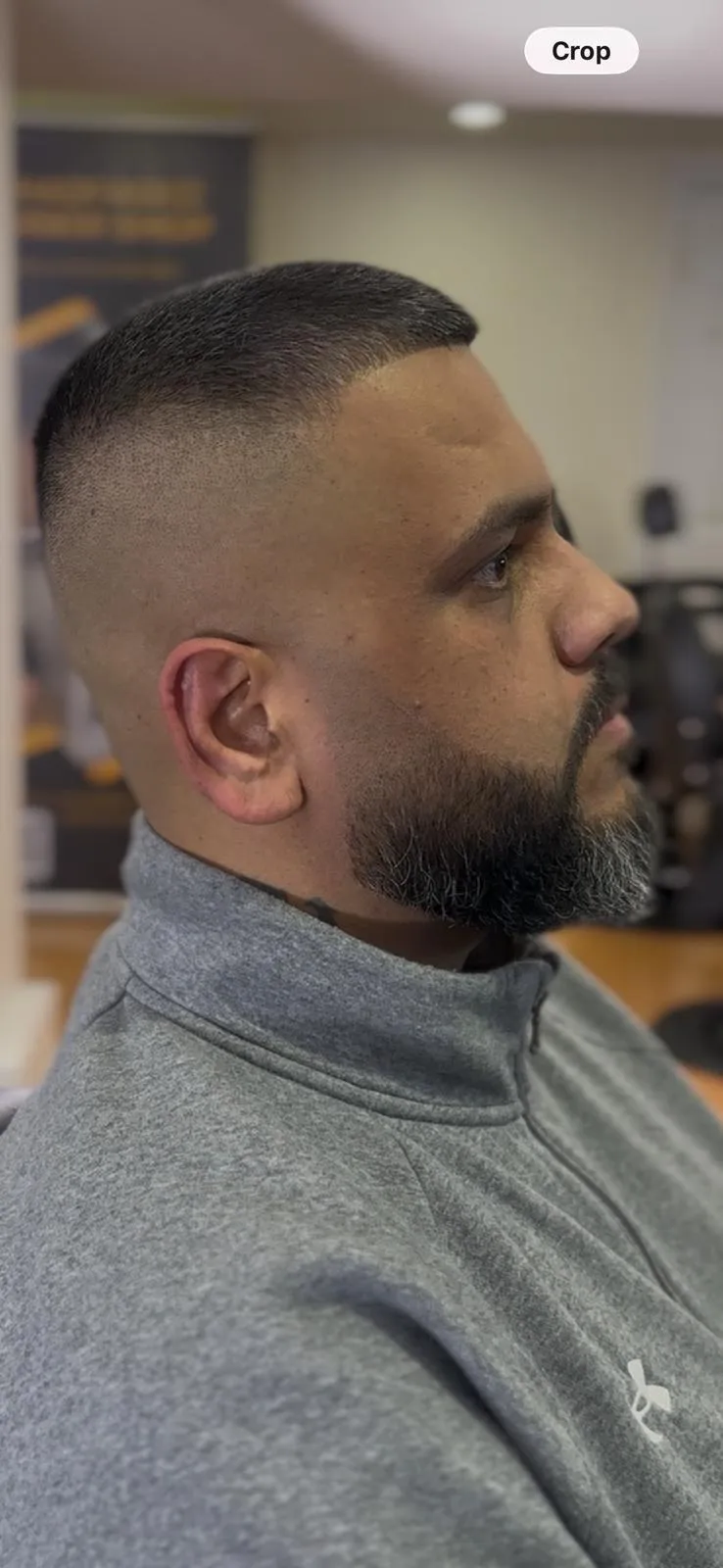

Beard Styles
Patchy Beard: Styles That Work and How a Barber Blends the Gaps
Short answer: A patchy beard is one where some areas, most often the upper cheeks and the gap between moustache and chin, grow thinner than the rest. Give it four to six weeks before deciding, because many patches fill in as the surrounding hair gets longer. Then choose a style that uses your dense zones, such as stubble, a goatee or a circle beard, and let a barber blend the thin edges.
Why beards grow in patchy
Patchiness is mostly down to genetics and how your follicles respond to hormones, and it varies enormously between people. It is common in younger men, and many beards continue to fill in gradually through the twenties and into the early thirties.
Some patches are not really patches at all. At one or two weeks, uneven growth rates make the face look spotty; by week five, longer hair from denser areas often lies over the thin spots and hides them. If you notice sudden round bald patches in a beard that used to grow evenly, that is different and worth showing to a doctor or dermatologist.
Give it four to six weeks first
The most useful thing you can do is nothing, for about a month to six weeks. Shaving or trimming everything back every time it looks uneven resets the clock and you never see what your beard can actually do.
During that time, keep only the neckline clean so it looks deliberate rather than neglected, and brush the beard daily so hair from the fuller areas is trained over the thinner ones. Our beard growth stages page walks through what to expect week by week, and how long to grow a beard before trimming covers the first cut.
Styles that make uneven growth look intentional
Once you know where your growth is strong, choose a style that keeps those areas and removes or shortens the weak ones. A clear shape with clean edges always reads better than a full beard with holes in it.
- Stubble at 2 to 4 mm: short enough that thin areas read as a shadow rather than gaps. See the stubble beard.
- Goatee or circle beard: ideal when the chin and moustache are dense but the cheeks are not. The circle beard connects the two into a neat ring.
- Beardstache: short stubble everywhere plus a fuller moustache, which draws the eye to your strongest zone.
- Extended goatee: keeps a strong chin and jaw while the cheeks stay shaved.
- Short boxed beard with a lowered cheek line: works if the gaps are only at the top of the cheek.
How a barber blends thin areas
Blending a patchy beard is about managing contrast. The eye notices gaps where long, dense hair sits right next to bare skin, so we reduce that contrast rather than trying to hide the gap under bulk.
- Take the densest areas down so they sit closer to the length of the thin areas.
- Leave slightly more length directly around a gap so it can lie across and cover it when brushed.
- Place the cheek line where growth becomes consistently dense, not at the highest stray hair.
- Fade the sideburn tightly into the haircut so a sparse sideburn blends instead of standing out.
- Razor every edge after the hot towel, because sharp outer lines make the inside look fuller.
What about growth products?
Beard oils and balms make the hair you have look healthier and softer, and a little balm can help longer hairs lie over thin spots, but they do not create new hair. Be sceptical of any product promising to fill in a beard.
Some men use topical treatments such as minoxidil for facial hair. That is a medical decision with possible side effects, so speak to a doctor or dermatologist before trying it. Our page on how to grow a beard faster covers what genuinely influences growth.
Patchy beard: common questions
Will shaving make my patchy beard grow in thicker?
No. A razor only removes hair at skin level, and the follicle underneath is untouched. Regrowth can feel coarser because of the blunt tip, but it is not thicker; see does shaving make hair grow back thicker.
Should I just shave a patchy beard off?
Only if you prefer the clean look. Most patchy growth can be shaped into stubble or a goatee that suits you, so try that before giving up.
How long should I wait before deciding my beard won't fill in?
Give a single growth attempt at least six weeks. Over years, beard density can also keep improving, so it is worth trying again later if the first attempt disappoints.