
Hair & Beard Care
How to Prevent Razor Bumps on Your Face, Neck and Hairline
Short answer: To prevent razor bumps, soften the hair before shaving, use a moisturizing shave cream, shave in the direction the hair grows with a sharp blade, and do not stretch the skin or go over the same spot repeatedly. Leaving a little stubble with a trimmer, or not shaving at all, is the most reliable prevention for men with curly or coarse facial hair. See a dermatologist if bumps keep returning, become painful or start to scar.
Why razor bumps happen
Razor bumps, known medically as pseudofolliculitis barbae, form when a freshly cut hair curls back and grows into the skin, and the body reacts to it like a splinter. The result is small, firm, often itchy bumps, sometimes with a visible hair trapped underneath.
They are especially common in men with tightly curled or coarse hair, including many Black men, because a curved hair cut to a sharp point is more likely to re-enter the skin. The beard area and the neck are the usual sites, but the same thing can happen along the hairline after a razor lineup or on a shaved head.
A dermatologist-style shaving routine
The American Academy of Dermatology's advice centres on softening the hair and cutting it gently rather than as close as possible. Each step below reduces how sharp and how short the cut hair ends up.
- Wash the area with a gentle, non-comedogenic cleanser, using small circular motions to lift dead skin.
- Soften the hair: shave at the end of a warm shower, or hold a warm, damp cloth on the area for about five minutes.
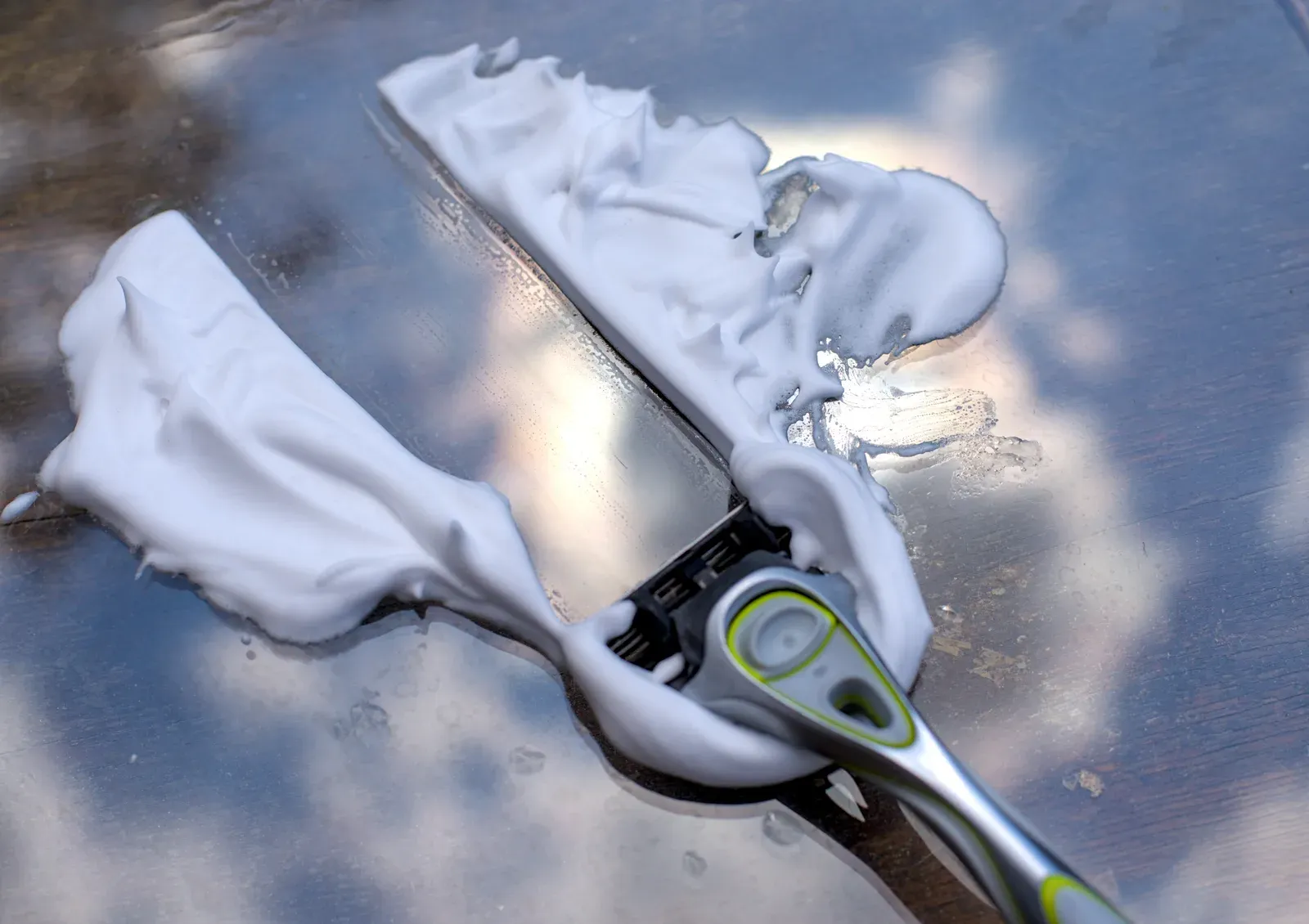
- Apply a moisturizing shaving cream or gel and let it sit for a minute or two. Never dry shave.
- Shave in the direction the hair grows, using short, light strokes and rinsing the blade after each one.
- Do not pull the skin tight and do not press down; both let the hair retract below the surface.
- Rinse with water, hold a cool, damp cloth on the skin for a few minutes, then apply a soothing, fragrance-free aftershave or moisturizer.
Blades, trimmers and how close to go
A sharp blade cuts cleanly in one pass, while a dull one tugs and needs repeated strokes, both of which irritate the follicle. Dermatologists recommend replacing a disposable razor or blade after five to seven shaves, storing it somewhere dry, and cleaning an electric razor on a similar schedule.
Closeness is the real trade-off. The closer the shave, the more likely a curly hair is to slip under the skin as it grows. Many bump-prone men get the best results from a trimmer or clipper set to leave a millimetre or so of stubble, which looks clean but leaves the hair tip above the skin.
- Shaving daily or every 2 to 3 days keeps hairs too short to curl back, per AAD guidance.
- A single-pass shave beats several passes with a multi-blade razor.
- If you can grow a beard, even a short one, the bumps usually settle.
What this means for your lineup and fade
A razor-sharp edge on the hairline, beard or neck is a close shave in a small area, so it can trigger bumps in the same way. If you are prone to them, tell your barber before the cut. At Markcutit we can set the lines with the trimmer only, keep a softer edge on the neck, or shave with the grain rather than against it.
Our Beard Only + Lineup and skin fade services both include a hot towel, which softens the hair before any blade touches the skin. The article on what a lineup is explains how edges are cut if you want to know what to ask for.
What not to do when bumps appear
Do not pick, squeeze or pluck hairs out of razor bumps, because it inflames the follicle and makes new bumps and dark marks more likely. The AAD specifically warns against plucking.
Do not dig at a trapped hair with tweezers or a needle yourself. Give the area a break from shaving until it calms down, keep it clean, and avoid heavy fragranced products on irritated skin.
When to see a dermatologist
See a doctor or dermatologist if bumps do not settle after you change your routine, if they become painful, fill with pus, or keep coming back, or if you notice dark spots, hard raised scars or grooves forming. Untreated pseudofolliculitis barbae can leave permanent marks, especially on darker skin.
A dermatologist can offer prescription creams, treatment for infection, and longer-term options for men who must shave for work. Bumps that look like acne with a red ring may be folliculitis, a follicle infection that also benefits from a proper diagnosis.
How to prevent razor bumps: common questions
How long do razor bumps take to go away?
Mild bumps often calm down within a week or two once you stop shaving the area closely. If they last longer, or leave marks, see a dermatologist.
Are electric shavers better for razor bumps?
Some men find them gentler, and a trimmer that leaves light stubble is usually gentlest of all. Test what works for your skin and keep any device clean.
Can I get a razor lineup if I get bumps?
Often yes, with adjustments such as trimmer-only edges or shaving with the grain. Let your barber know before the cut so they can plan the finish.
Should I shave against the grain for a closer shave?
Not if you are bump-prone. Dermatologists advise shaving in the direction of growth, because against the grain cuts hairs below the surface where they can curl back in.