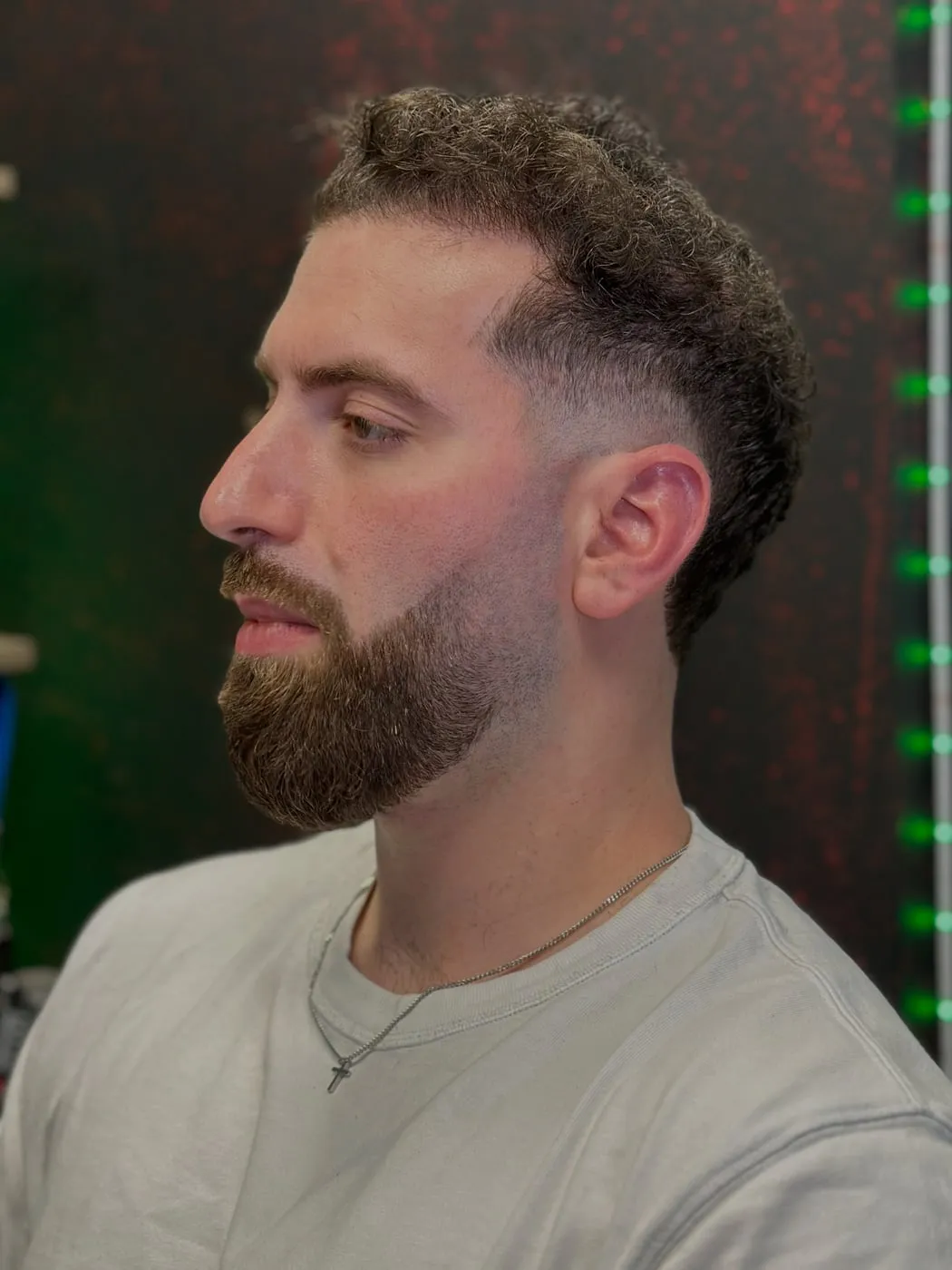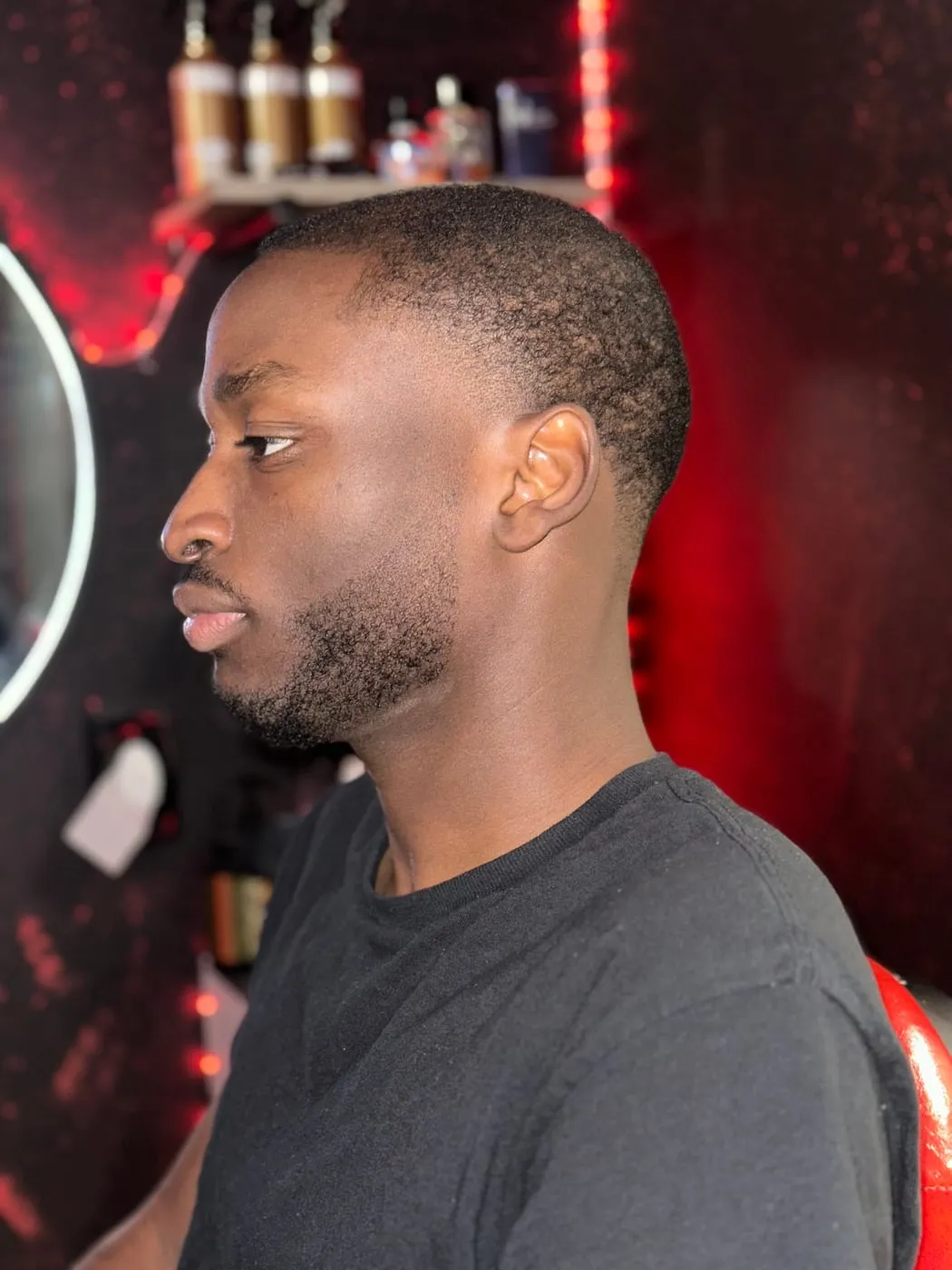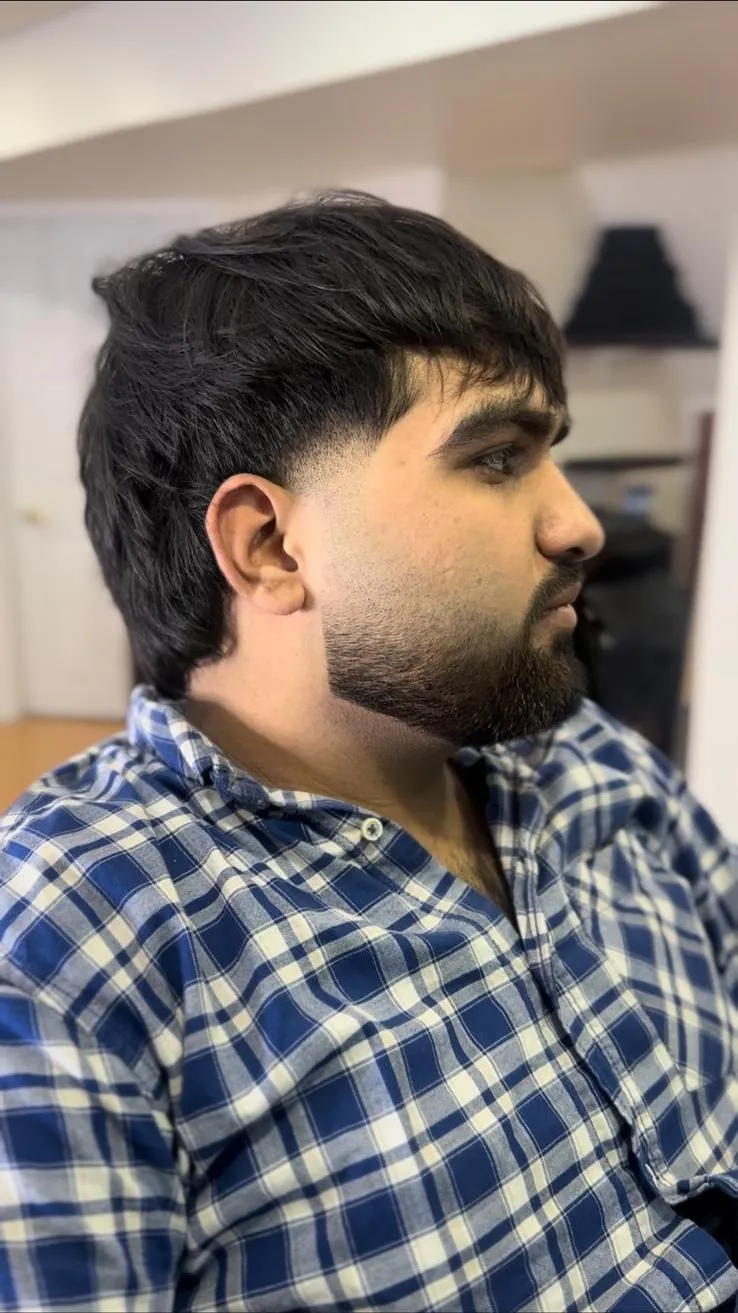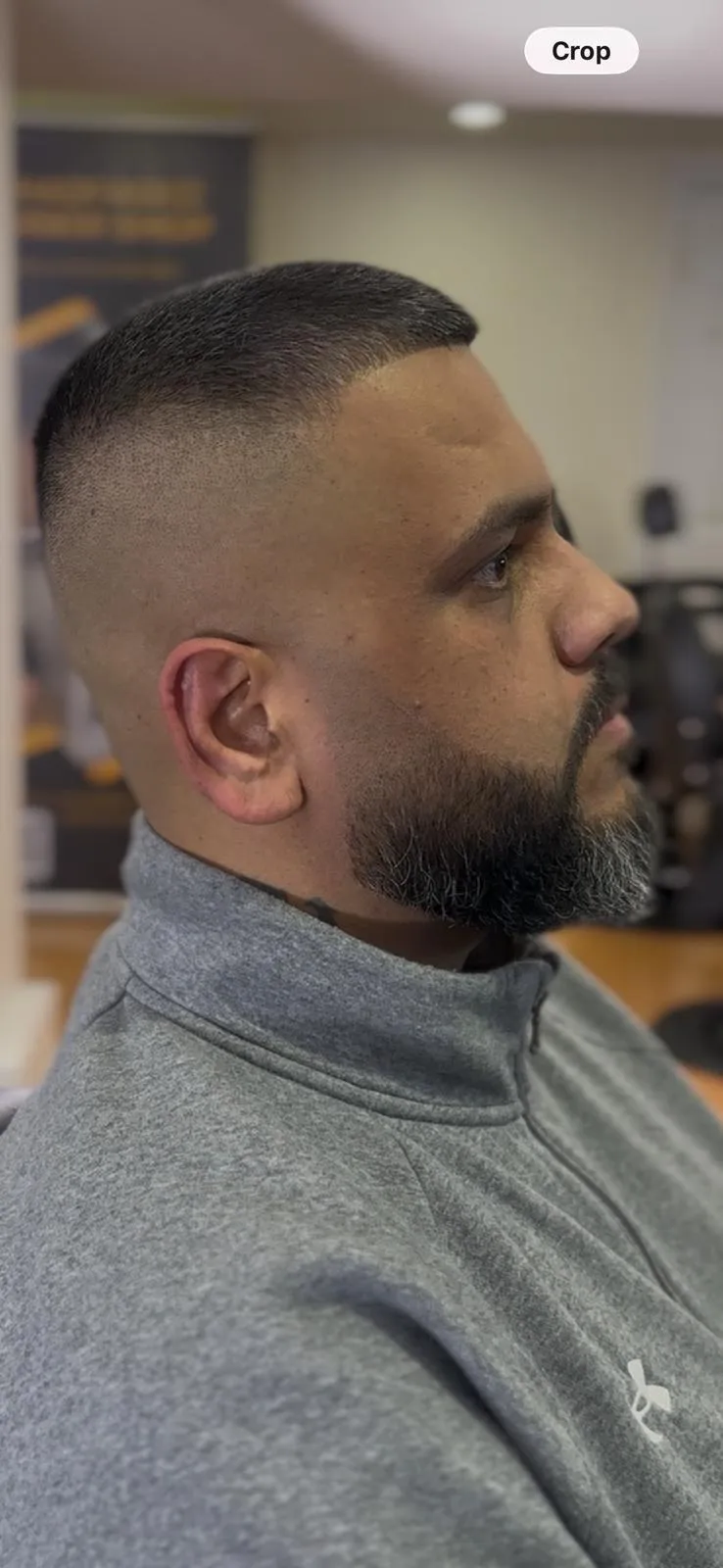

Beard Styles
Chin Strap Beard: The Thin Jawline Beard and How to Keep It Even
Short answer: A chin strap beard is a narrow band of facial hair that runs along the jawline from one sideburn, under the chin, to the other, with the cheeks, moustache area and neck shaved. It is usually between 1 and 3 cm wide. It outlines and defines the jaw, suits men with a reasonably strong jawline, and needs edge work every day or two because any asymmetry or regrowth is immediately visible.
What a chin strap looks like
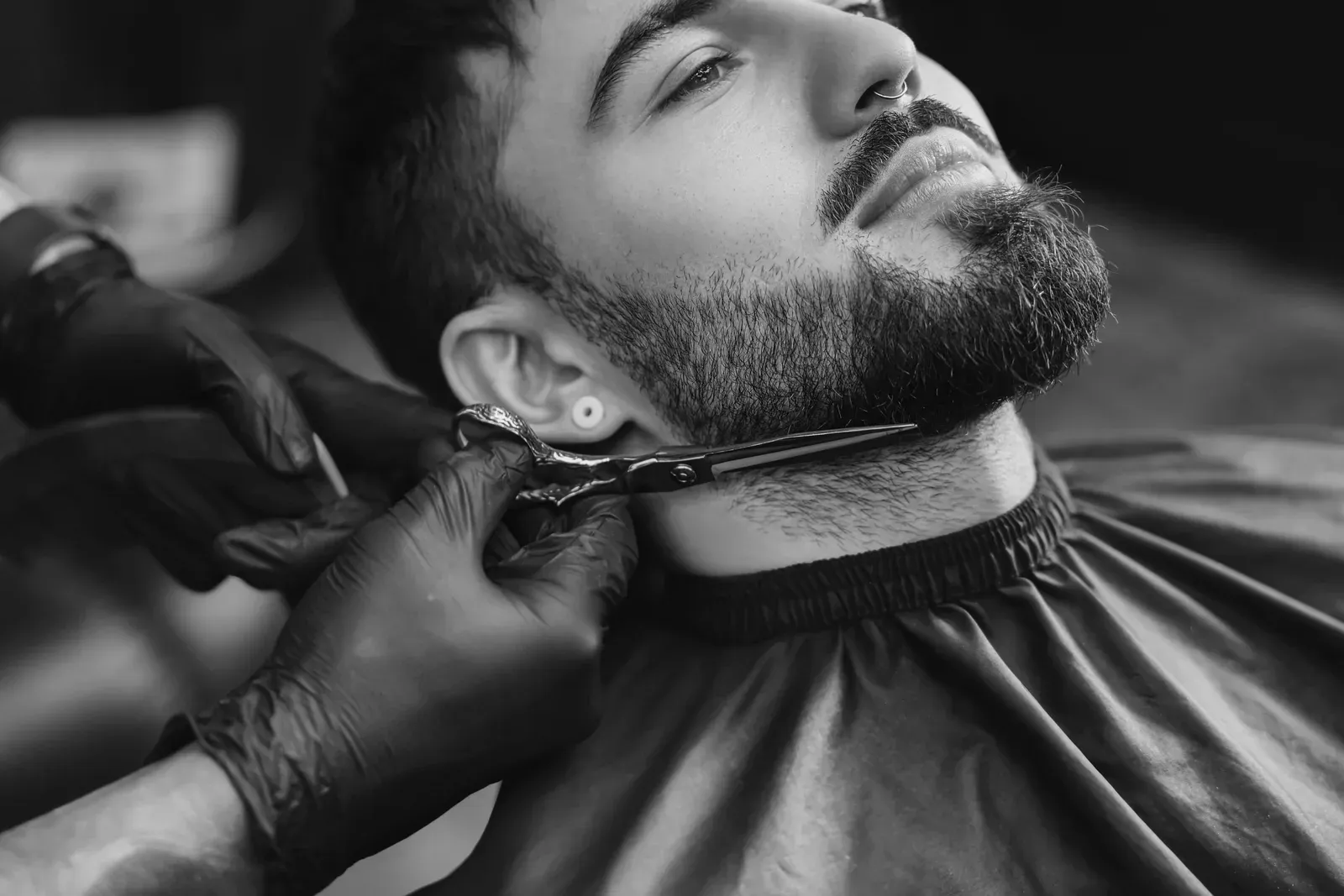
A chin strap traces the jawbone like the strap of a helmet, which is where the name comes from. It connects to the sideburns at the top, follows the lower edge of the face, and wraps under the chin.
Everything else is bare: cheeks, upper lip and the neck below the strap. Some men add a moustache or a small chin patch, but the pure version is just the line. The lower edge of a chin strap is effectively a neckline, so the same placement rules we use for a beard neckline apply: set it too high and the strap disappears under the jaw from the front, too low and it looks like it is sliding down the throat.
Choosing the width
Width is the main decision, and it changes the style from sharp and graphic to bold and sculpted. A thin strap draws a precise outline; a wider one reads more like a beard with the cheeks removed.
As a rule, the finer your hair and the smaller your face, the thinner the strap should be. Dense, dark hair can carry a wider band without looking heavy.
| Width | Effect | Suits |
|---|---|---|
| Pencil, under 1 cm | Graphic, very defined line | Sharp jaws, dense dark hair |
| Classic, 1 to 2 cm | Clear jaw outline, balanced | Most face shapes |
| Wide, 2 to 3 cm | Close to a sculpted beard | Larger faces, men wanting more coverage |
Who a chin strap suits
A chin strap flatters faces that already have a defined jaw, because it traces that line and makes it more obvious. On oval, square and diamond faces it emphasises good bone structure.
On a round face with a soft jaw, the strap can emphasise the roundness rather than hide it, so we usually suggest placing the lower edge slightly below the jawbone, or looking at an anchor beard, which adds a point. It also works well for men with sparse cheeks and solid jaw growth, since only the strongest area is kept.
Symmetry: the hard part
Symmetry is what separates a sharp chin strap from a lopsided one, and it is harder than it looks because you are shaping a thin line on a curved surface you can only see in a mirror. Small differences of a few millimetres show clearly.
We set the strap by marking reference points on both sides, then match heights at the sideburn, the angle of the jaw and the chin. At home, use those same three landmarks.
- Trim the strap to length first with a short guard.
- Mark the top edge at the sideburn, at the angle of the jaw and at the chin on one side.
- Mirror each point on the other side, checking straight on and with your head turned.
- Shave the cheek above the top edge in short strokes toward the line.
- Shave the neck below the strap, tilting your head back to see the underside.
- Take a front photo with your phone to catch differences the mirror hides.
Daily edge work and the neck
The thinner the strap, the faster stubble outside it blurs the outline, so most men touch up the edges every day or two. The neck under the strap is where most irritation happens, particularly on curly hair that curls back into the skin.
If you get bumps along the lower edge, stop shaving that area to bare skin and use a trimmer with no guard instead. Our razor bump guide covers technique, and a doctor or dermatologist can help when bumps persist or become infected.
When to get it reset professionally
A barber sets the chin strap so your daily work only has to follow the line. Every 2 to 3 weeks, a Beard Only + Lineup restores the original height and width, which tend to creep as you trim from the same side each morning. If you wear a skin or taper fade, ask for the sideburn to be blended into the fade so the strap flows from the haircut.
Chin strap beard: common questions
Is a chin strap beard still in style?
Thin, sharply edged chin straps are a niche look now, but a classic 1 to 2 cm strap with clean edges still reads as deliberate and well kept.
Can I have a chin strap with a moustache?
Yes. Adding a moustache, connected or floating, makes it read more like a full outline beard and suits men who want more coverage.
What trimmer length is best for a chin strap?
Most straps are kept at 2 to 6 mm. Longer hair makes the edges look fuzzy and harder to keep straight.
How do I stop my chin strap looking uneven?
Trim both sides with the same hand position, use three fixed landmarks, and check with a phone photo, since mirrors reverse the image and hide small slants.