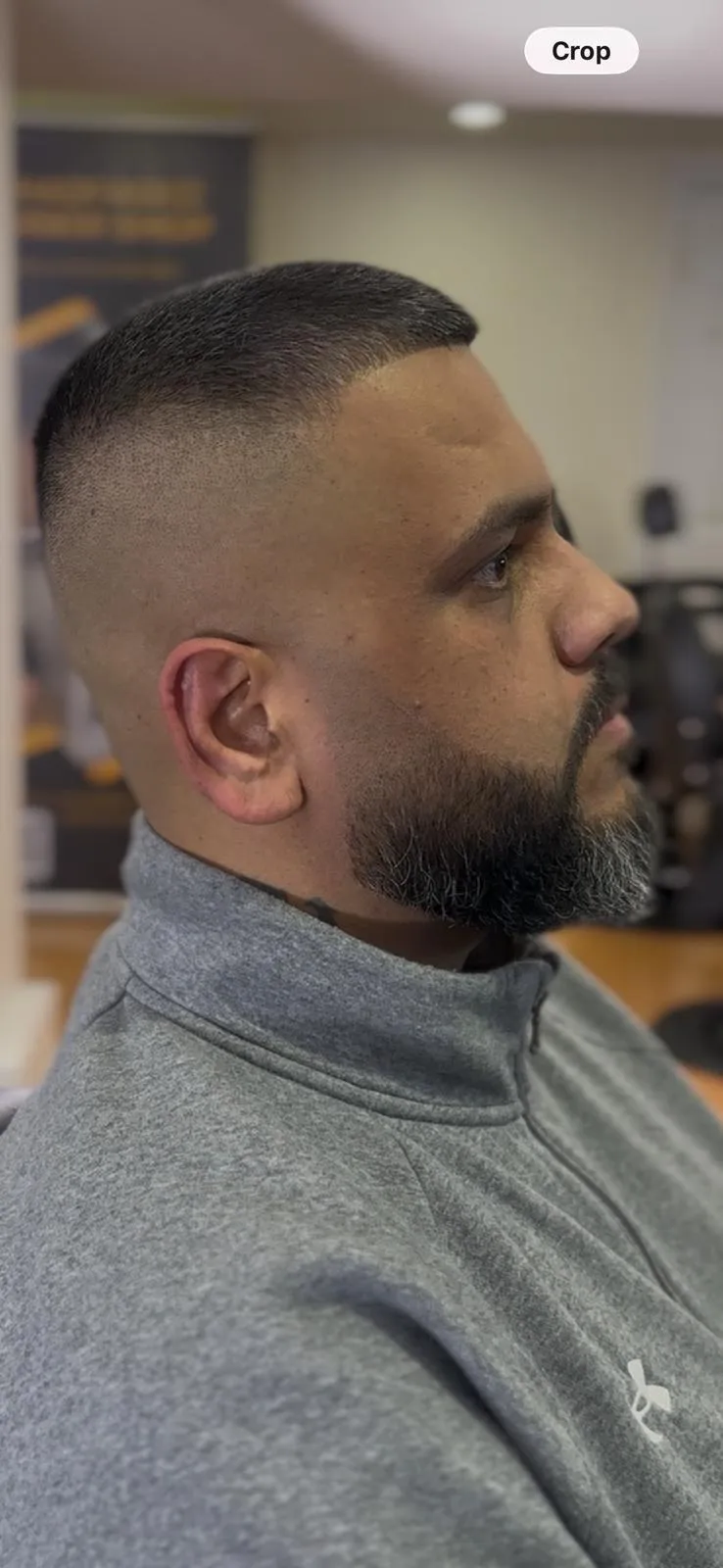

Barber Answers
Why Does My Fade Look Patchy? Blending, Growth and Scalp Causes
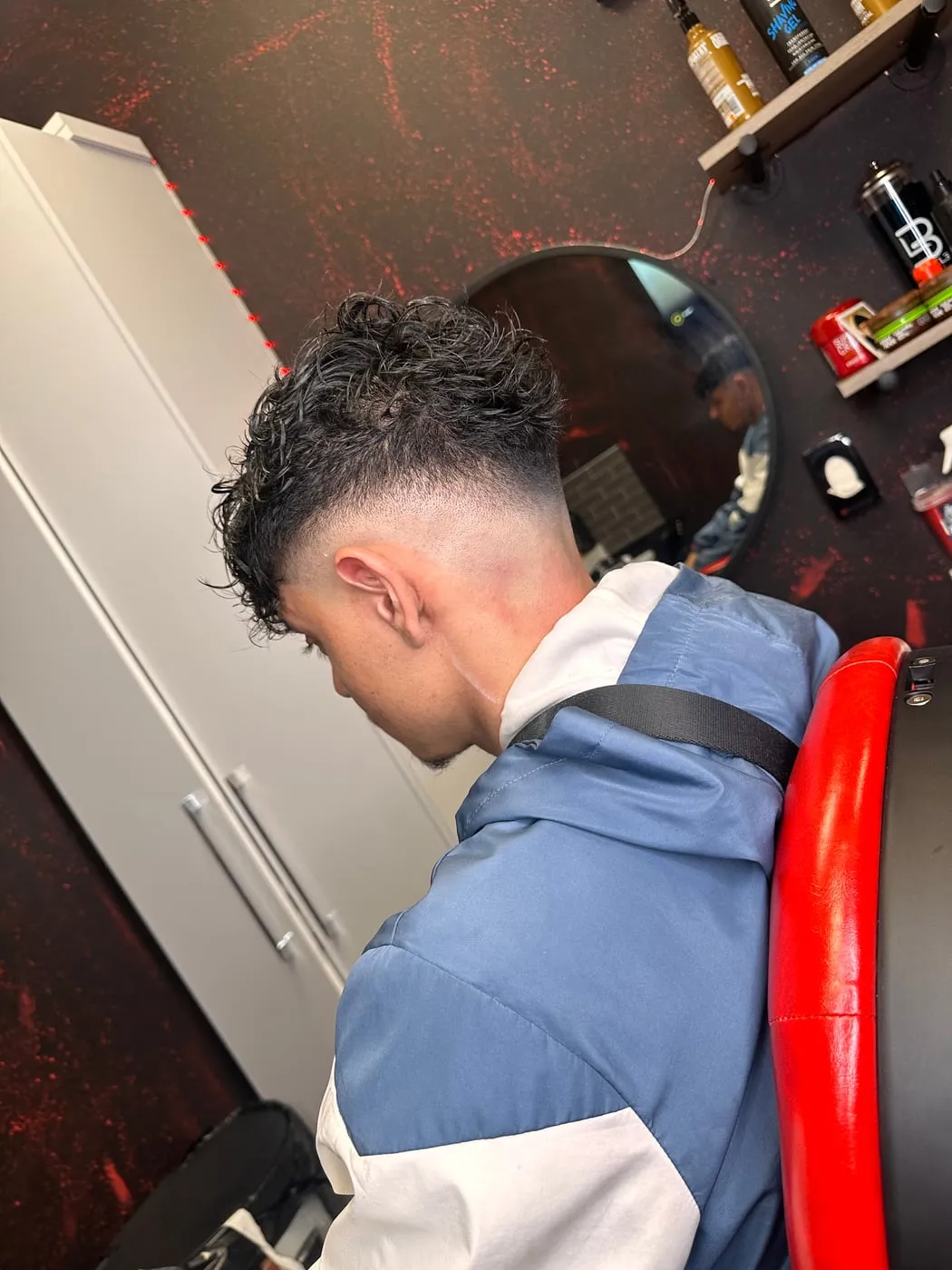
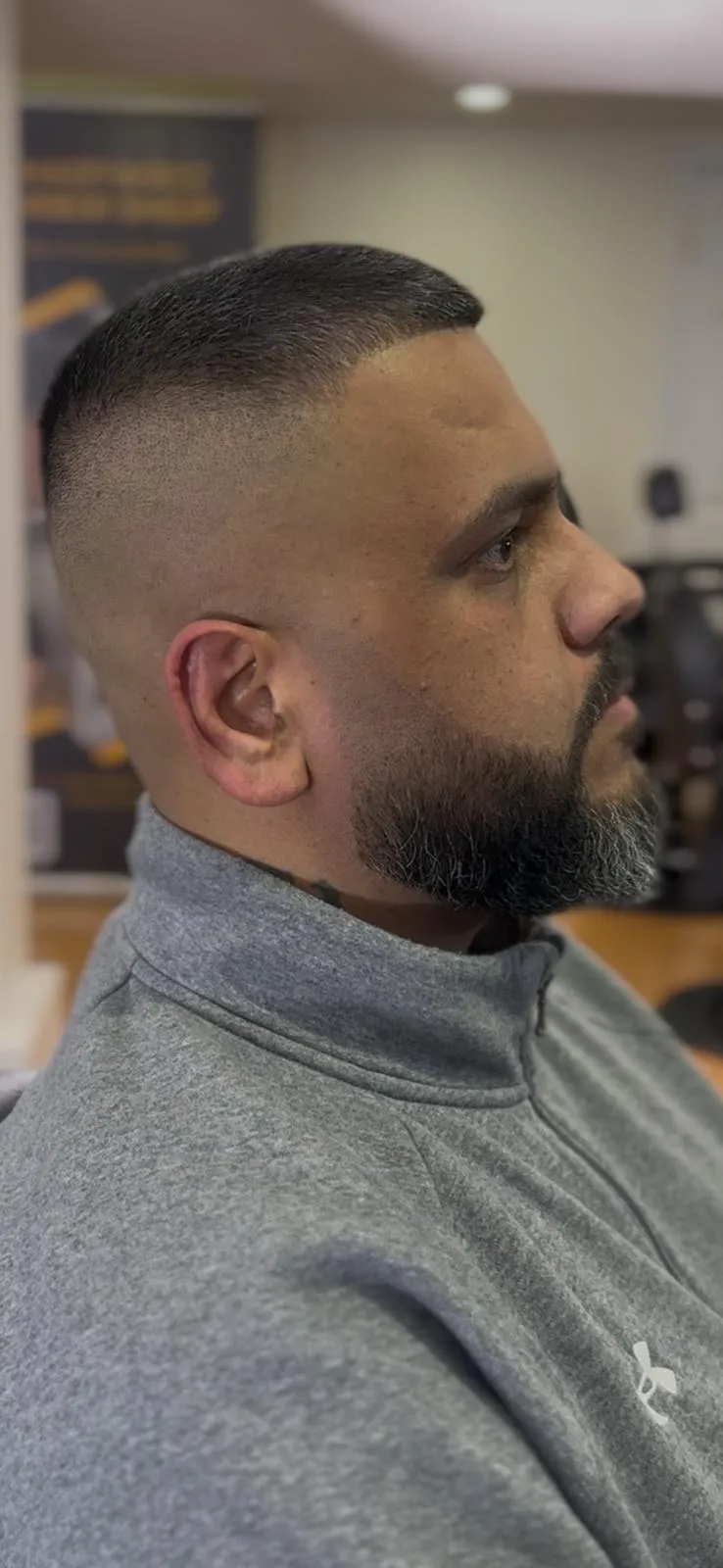
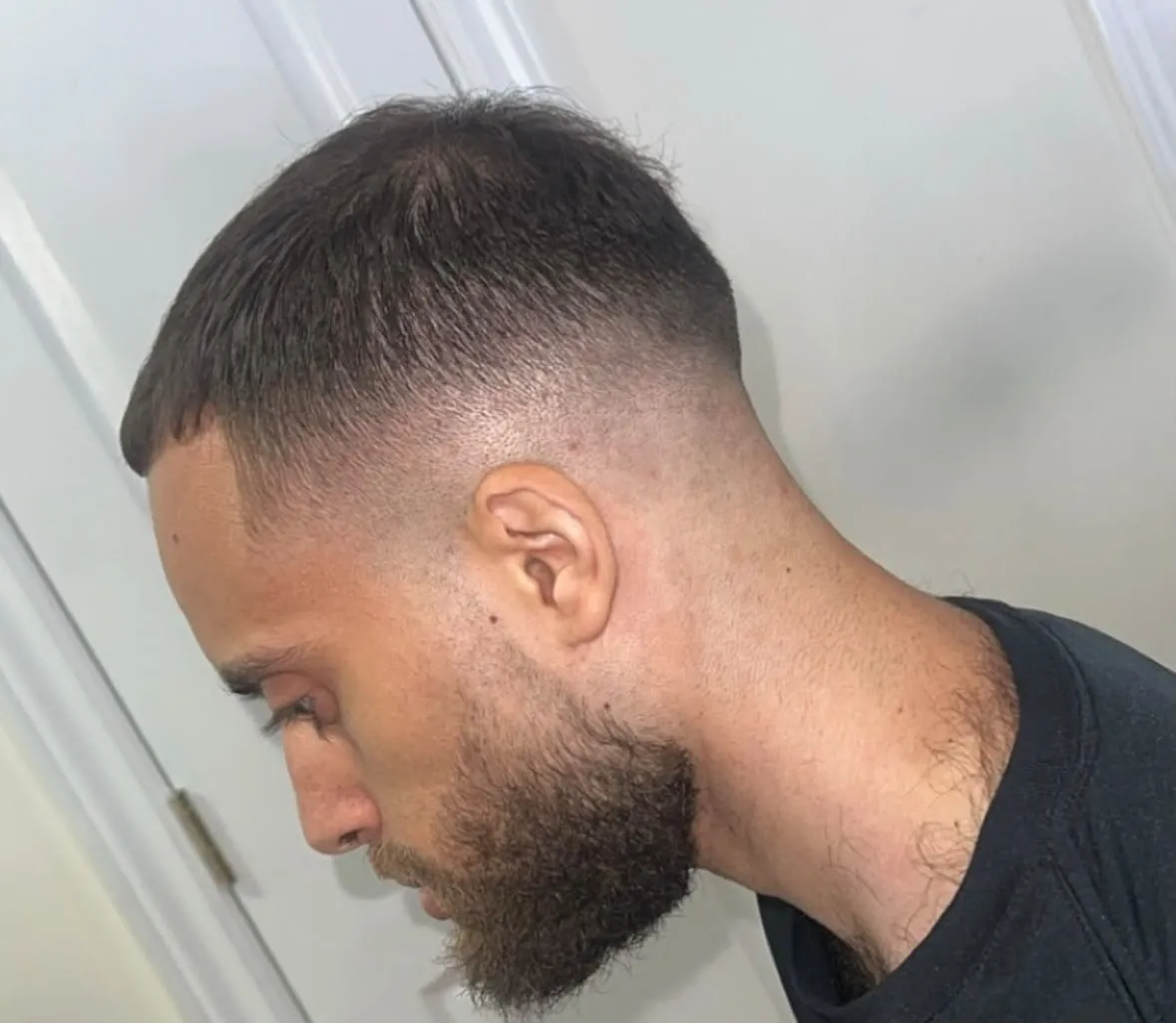
Short answer: A fade usually looks patchy for one of four reasons: the blend was not finished, leaving dark spots or lines; your hair grows more thinly in some areas, which shows once the sides are short; a cowlick or whorl makes hair lie in different directions; or there is a scar or bare spot on the scalp. Most are fixed or disguised by the barber. A sudden, smooth, round bald patch is different and worth showing to a doctor or dermatologist.
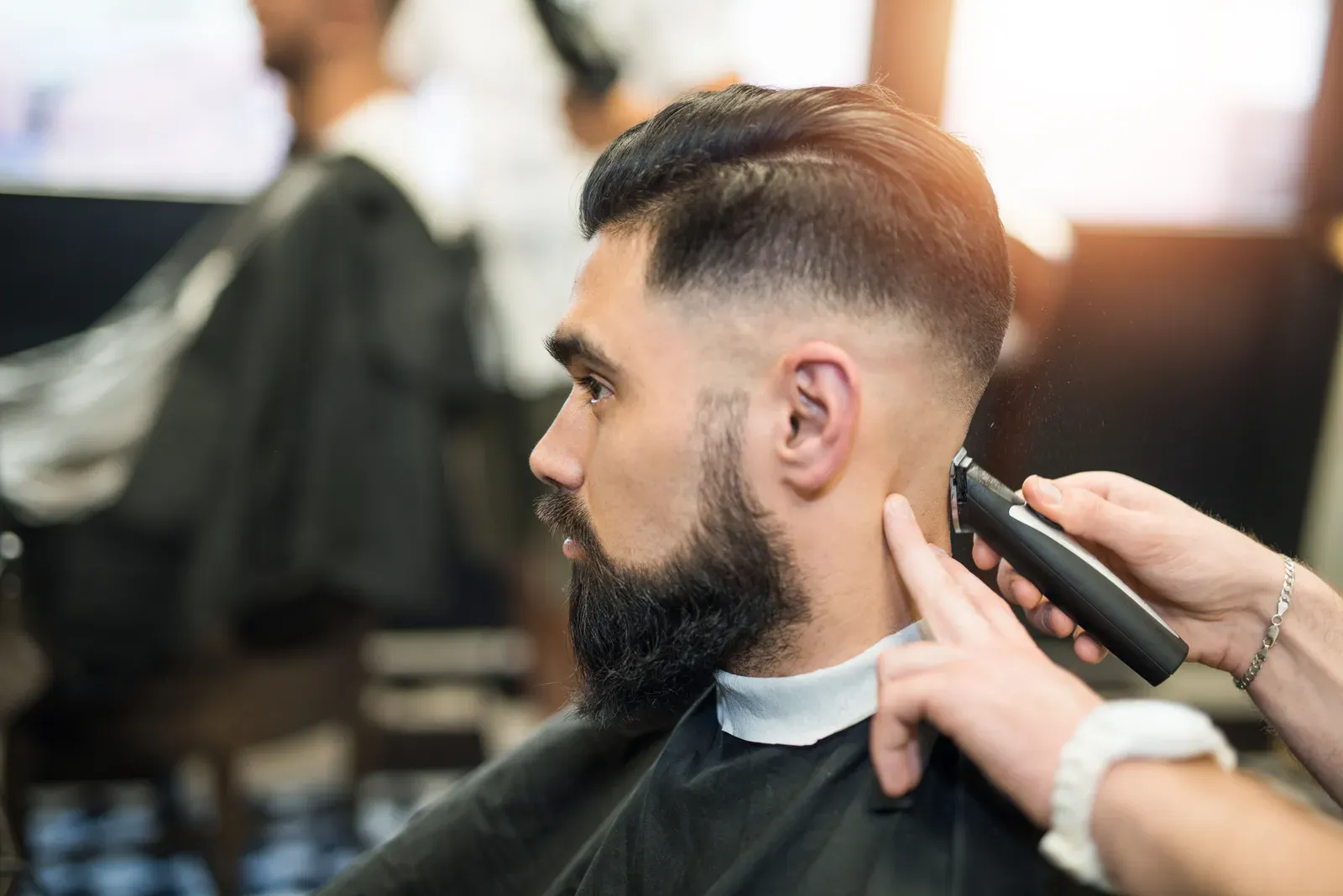
First, work out whether it is the cut or your scalp
The quickest way to tell is to look at the patch closely in good light and ask when it appeared. Patchiness from the cut is visible straight away and usually follows the shape of the clipper work: a band, a dark shadow, an uneven stripe. Patchiness from your scalp is often there under every cut and follows the way your hair grows.
Take photos of the sides and back under daylight, then again after a week. A blending patch softens or turns into a line as hair grows; a growth-related patch stays roughly the same shape; a new bald spot that grows larger is a medical question rather than a barbering one.
| What it looks like | Likely cause | What to do |
|---|---|---|
| Dark band or shadow across the side | Unfinished blend between guard lengths | Ask for a quick re-blend |
| Lighter spots scattered in the short area | Naturally uneven hair density | Leave the fade slightly longer at the bottom |
| Hair sticking out or lying flat in one spot | Cowlick or whorl | Adjust the height or direction of the fade |
| A fixed, smooth line or spot | Scar on the scalp | Keep a little more length over it |
| New round, smooth bald patch | Possible alopecia areata or another scalp condition | See a doctor or dermatologist |
Blending problems: the patches a barber can fix
An unfinished blend leaves a band of slightly longer hair that reads as a dark patch, or a divot where the clipper cut deeper than the surrounding area. They are most common where the head curves, behind the ears and around the occipital bone, because the clipper has to change angle there.
If you spot one in the chair, point to it. Longer spots are easy to fix with the right guard or an open lever. A spot cut too short cannot be filled back in, but the surrounding hair can be taken slightly shorter to soften the contrast. Our checklist for telling whether a fade is good helps you spot these before you leave.
Uneven growth density shows through a short fade
Everyone's hair is thicker in some areas than others. Density often thins slightly around the temples, above the ears and at the nape, and those differences are invisible at 3 cm but obvious at 1 mm. A skin fade exposes them because the shortest area is also where the scalp shows most.
The fix is usually a finish that leaves a bit more hair: a shadow fade that stops at a 0.5 or No. 1 instead of skin, or a fade placed so its shortest part sits below the thinner zone. A shadow fade is often the right call for hair that looks spotty when taken to the skin.
Cowlicks, whorls and scars
A cowlick at the back or a whorl at the nape pushes hair in a different direction from its neighbours. When the fade is blended, those hairs catch the light differently and can look like a lighter or darker patch. Cutting with the growth direction, or choosing a slightly higher or lower fade line, usually hides it.
Scars from childhood falls, sport or surgery often have no follicles, so they show as a smooth spot once the hair around them is short. A barber can keep a little more length in that area or position the fade so the scar sits in a longer band. Our guide to haircuts for scalp scars explains the options.
When a bald patch needs a doctor, not a barber
Some patches are not caused by the cut at all. Alopecia areata, an autoimmune condition, typically appears as a round or oval, smooth bald patch that develops suddenly on skin that otherwise looks normal, and it can also affect the beard or eyebrows. Some people notice itching or tingling at the spot.
A patch that is scaly, red, sore or spreading can have other causes, including fungal infections of the scalp. A barber can point out a spot you had not noticed, but only a doctor or dermatologist can diagnose it, so book an appointment if you see any of the signs below.
- A smooth, round or oval bald spot that appeared suddenly.
- A patch that is getting bigger, or new patches appearing.
- Scaling, redness, pus, pain or broken hairs in the area.
- Similar patches in your beard or eyebrows.
- Nail changes such as small dents or ridges alongside hair loss.
How we handle patchy spots at Markcutit
Every cut at Markcutit starts with a consultation, which is when we look at density, cowlicks and any scars before deciding how short the bottom of the fade should go. If a skin finish will show patches, we will say so and suggest a finish that looks cleaner on your hair.
If you have been diagnosed with alopecia areata or another condition, tell your barber; the cut can be planned around it without fuss. Book as Haircut Only, and read about how barbers blend a fade if you want to understand the process.
Why does my fade look patchy: common questions
Why does my fade look patchy after a few days?
Hair grows at slightly different rates across the head, and a transition that was nearly blended becomes visible. A light touch-up at your next visit fixes it.
Can a barber fix a patchy fade the next day?
Usually, if the patch is hair left too long. If it was cut too short, the barber can soften it, but full correction needs growth.
Does a patchy fade mean I am going bald?
Not necessarily. Uneven density and cowlicks are common and normal. If you notice new, expanding bald spots or overall thinning, see a doctor or dermatologist.