
Barber Answers
Are Straight Razors Safe at the Barber? What Keeps Them Safe
Short answer: Yes, straight razors are safe at a professional barbershop when two conditions are met: a fresh single-use blade is loaded for every client, and the barber is trained to use it. Most shops now use a shavette, a razor handle that holds disposable blades, rather than a folding razor that is sharpened and reused. The main risks are small nicks and irritation, not infection, provided the blade is new and the skin is prepared properly.
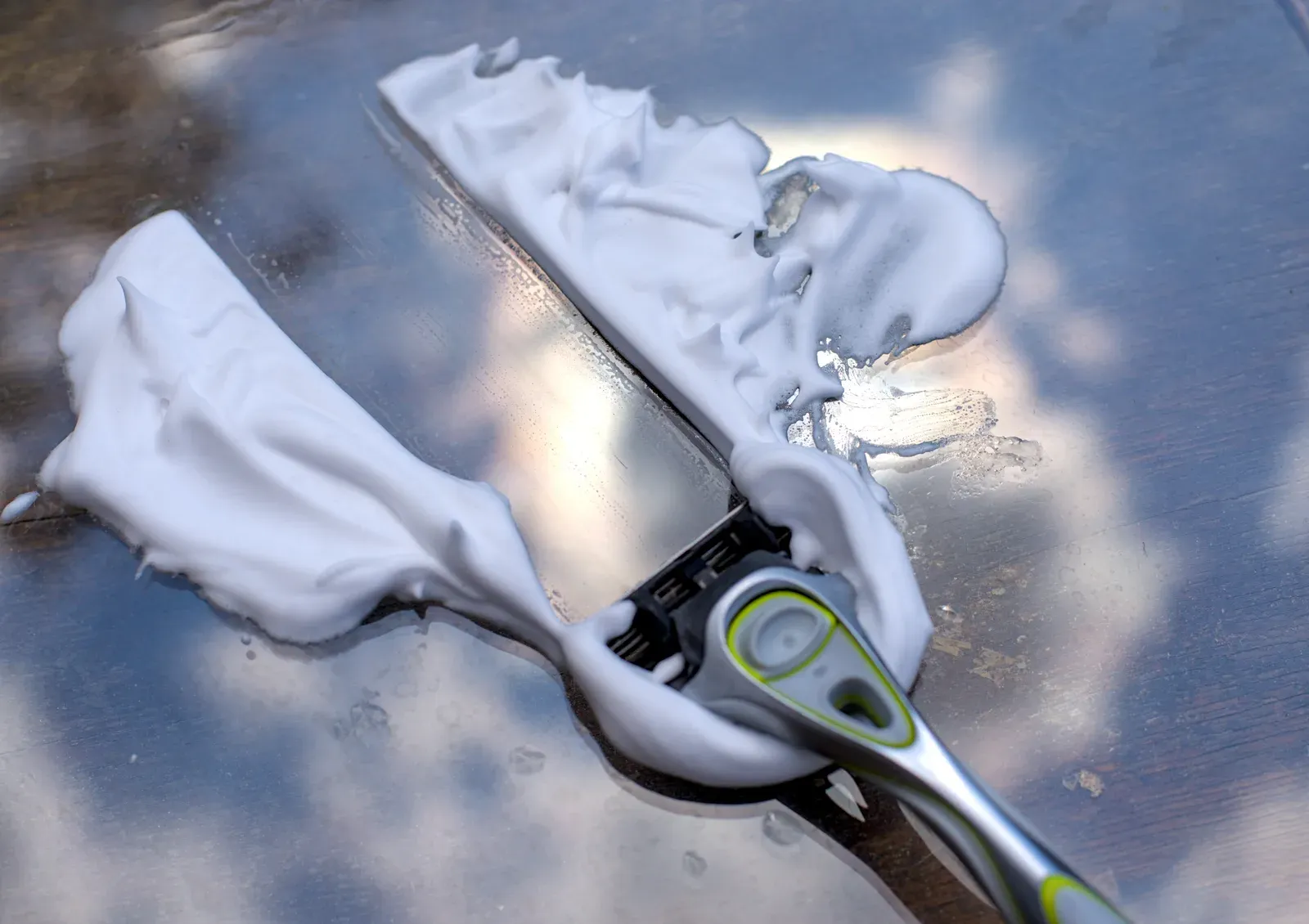
Most barbers now use a shavette with disposable blades
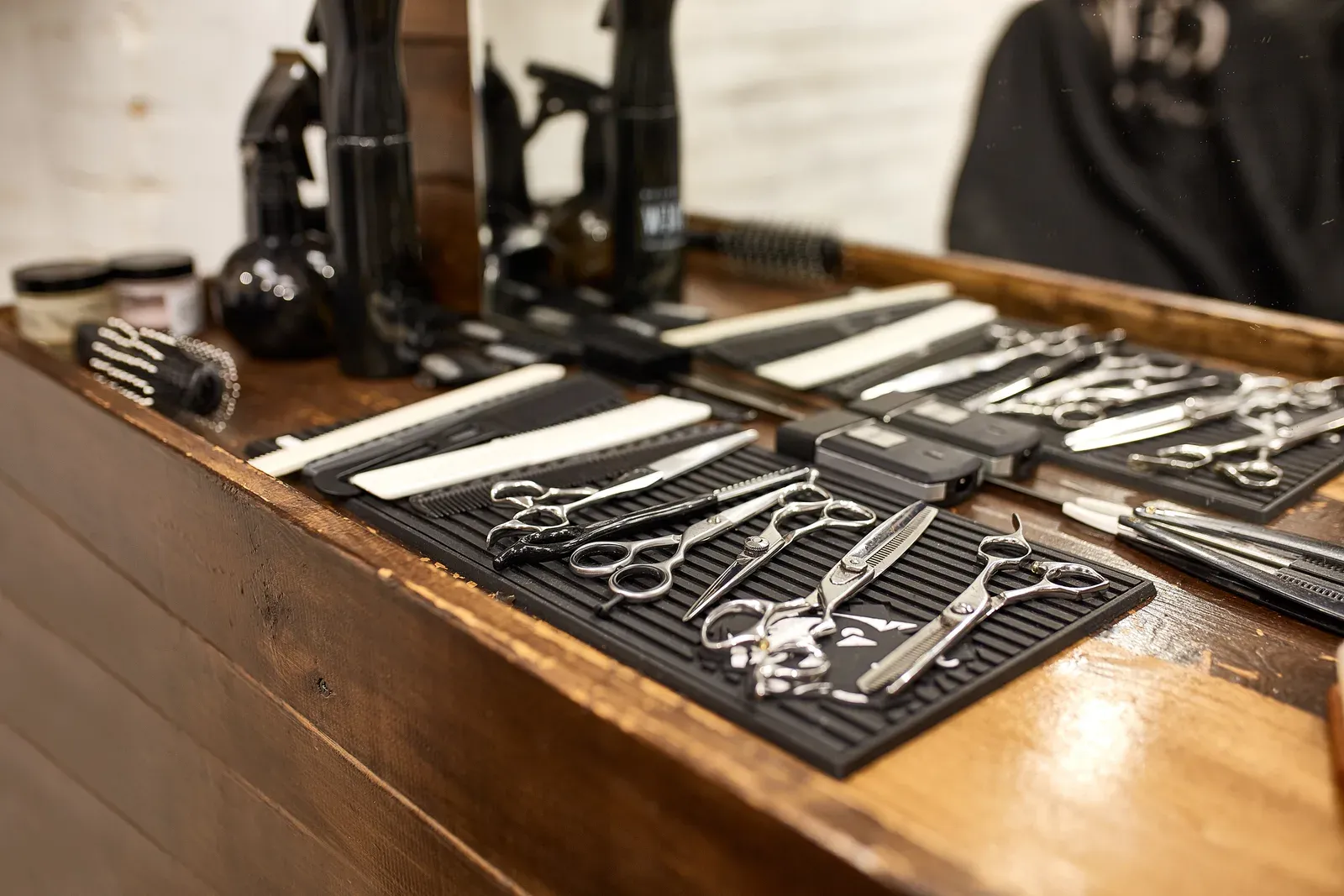
The razor you see at most modern barbershops is a shavette: a handle that looks like a classic straight razor but holds a half of a double-edge blade clipped into it. The blade is used on one client and thrown away.
A traditional folding straight razor with a permanent edge, honed on a stone and stropped on leather, still exists, and in skilled hands it gives a beautiful shave. It is harder to keep sterile between clients, though, so for lineups and neck work in a busy shop the disposable-blade system has become the norm. Any straight-razor lineup should be done with a fresh blade for each client.
| Shavette | Traditional straight razor | |
|---|---|---|
| Blade | Disposable, new per client | Permanent, honed and stropped |
| Hygiene | Blade discarded after each use | Must be cleaned and disinfected between clients |
| Feel | Very sharp and light | Heavier, slightly smoother glide |
| Typical use | Lineups, neck, fade detailing | Traditional full-face shaves |
Why a fresh blade is the part that matters
A razor is the one barbershop tool that regularly touches skin closely enough to break it, which is why the blade is single-use rather than disinfected and reused. A tiny nick exposes the skin to whatever was on the edge, so the blade must be new.
The handle and the rest of the kit are cleaned and disinfected between clients like other tools; our page on how barbers sanitize tools covers that process and the Ontario rules that sit behind it. From your side of the chair, the blade is the thing to watch.
What you can watch for from the chair
You do not need to quiz your barber, but a few things are easy to notice, and it is completely reasonable to ask if you are unsure. A good barber will not be offended by a polite question about the blade.
- A new blade taken from its wrapper or dispenser and loaded before your lineup.
- The used blade dropped into a sharps container, not left on the counter.
- Clean hands or gloves, and a fresh neck strip and towel.
- Skin prepared with gel, foam or water before the razor touches it, never shaved bone-dry.
- Short, controlled strokes with the skin held gently taut.
The real risks: nicks, irritation and bumps
The most common problem with a razor is not an infection but irritation. Shaving at the hairline and nape removes surface skin along with the hair, and some people feel warmth or see redness for a day. People with coarse curly hair can get razor bumps as the hair grows back into the skin.
Small nicks happen occasionally, even with experienced hands, usually on a mole, a raised spot or when a client moves. What matters is how they are handled; our page on what to do if your barber nicks you explains what should happen next.
When to tell your barber before the razor comes out
Mention anything that changes how your skin should be treated. A barber can adapt, often by using a foil shaver or trimmer for the edge instead of an open blade, and the lineup will still look sharp from a normal distance.
- You take blood-thinning medication, because a tiny nick may bleed for longer.
- You get razor bumps or keloid scars at the hairline or neck.
- You have a raised mole, skin tag or healing spot near the edge being lined up.
- Your skin is sunburnt, freshly waxed or already irritated.
- You have a skin condition a doctor or dermatologist is treating in that area.
Staying still is your part of the deal
The best thing a client can do for razor safety is keep their head still and let the barber move it. If you need to sneeze, cough or check your phone, say so, or raise a hand, and the barber will lift the blade away.
Straight razor work at the front hairline and around the ears is the final stage of most cuts, and it takes only a short while. For how that edge should look when it is done well, see what a lineup is.
Are straight razors safe at the barber: common questions
Can you get an infection from a barber's razor?
The risk is very low when a new single-use blade is used for each client and tools are disinfected. If a cut or bump becomes hot, swollen, painful or oozes, see a doctor.
Is a shavette as good as a real straight razor?
For lineups and detailing, yes. It is just as sharp, and the disposable blade makes hygiene simple.
Can I ask my barber not to use a razor?
Yes. A trimmer or foil shaver can finish the edges instead, which many people with sensitive or bump-prone skin prefer.