
Haircut Styles
Modern Mullet: Short Sides, Length at the Back and How to Keep It Sharp
Short answer: A modern mullet keeps the sides short, usually with a burst fade or taper around the ear, while leaving deliberate length at the back of the neck and texture on top. It is softer and more blended than the 1980s version. Plan on three to six months to grow enough length at the back, and regular visits to keep the sides tight and the back shaped, because an untended mullet quickly looks like overdue hair.
What makes it modern rather than 1985
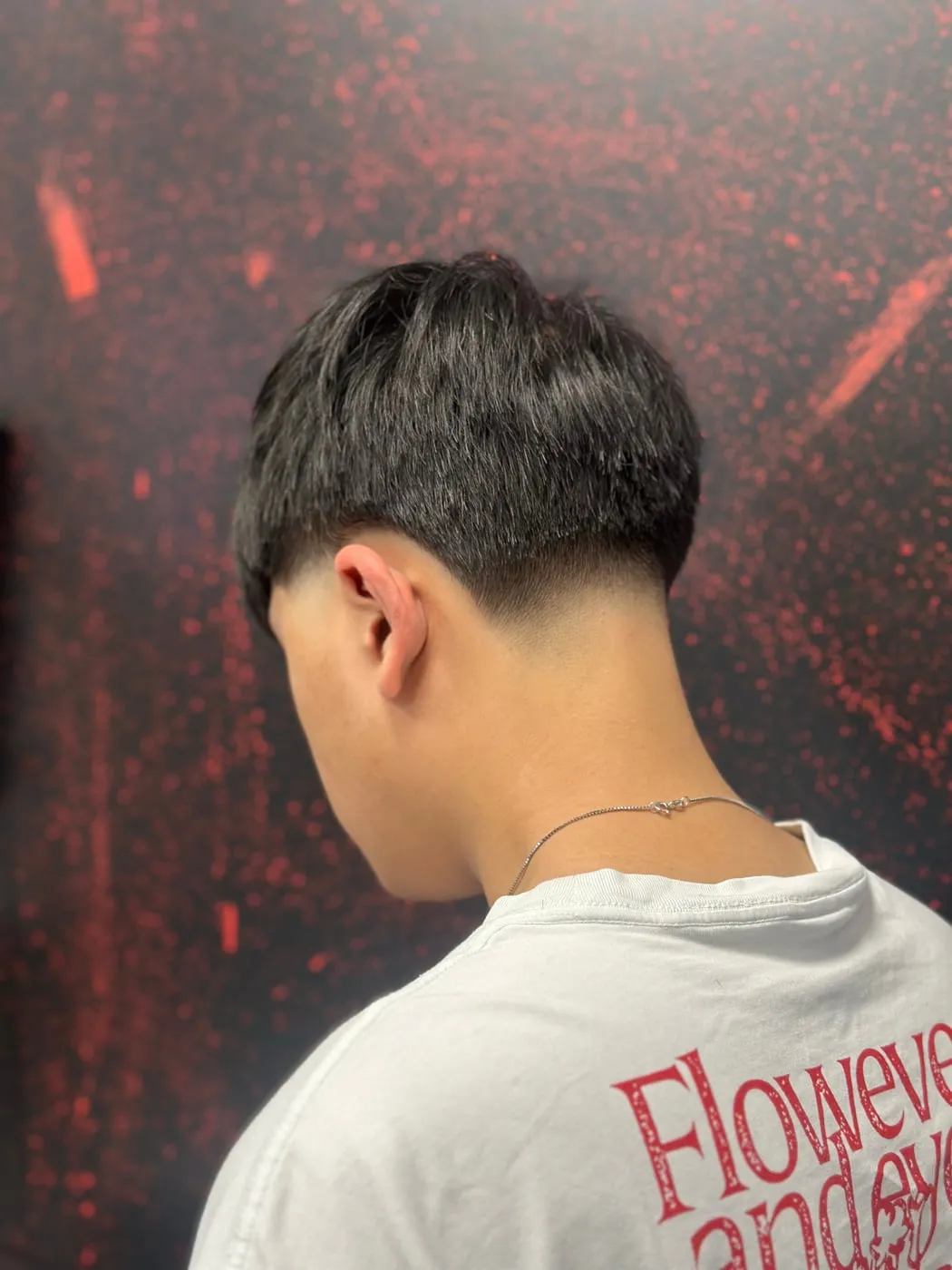
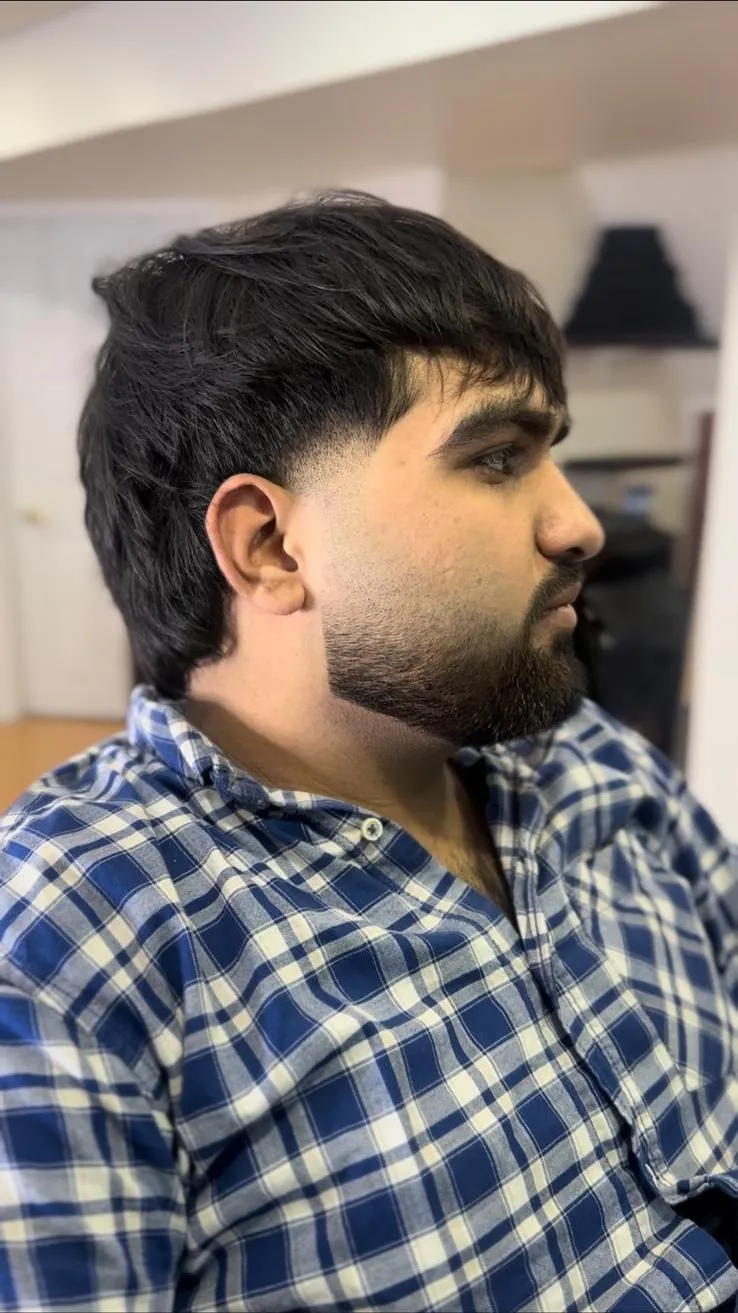
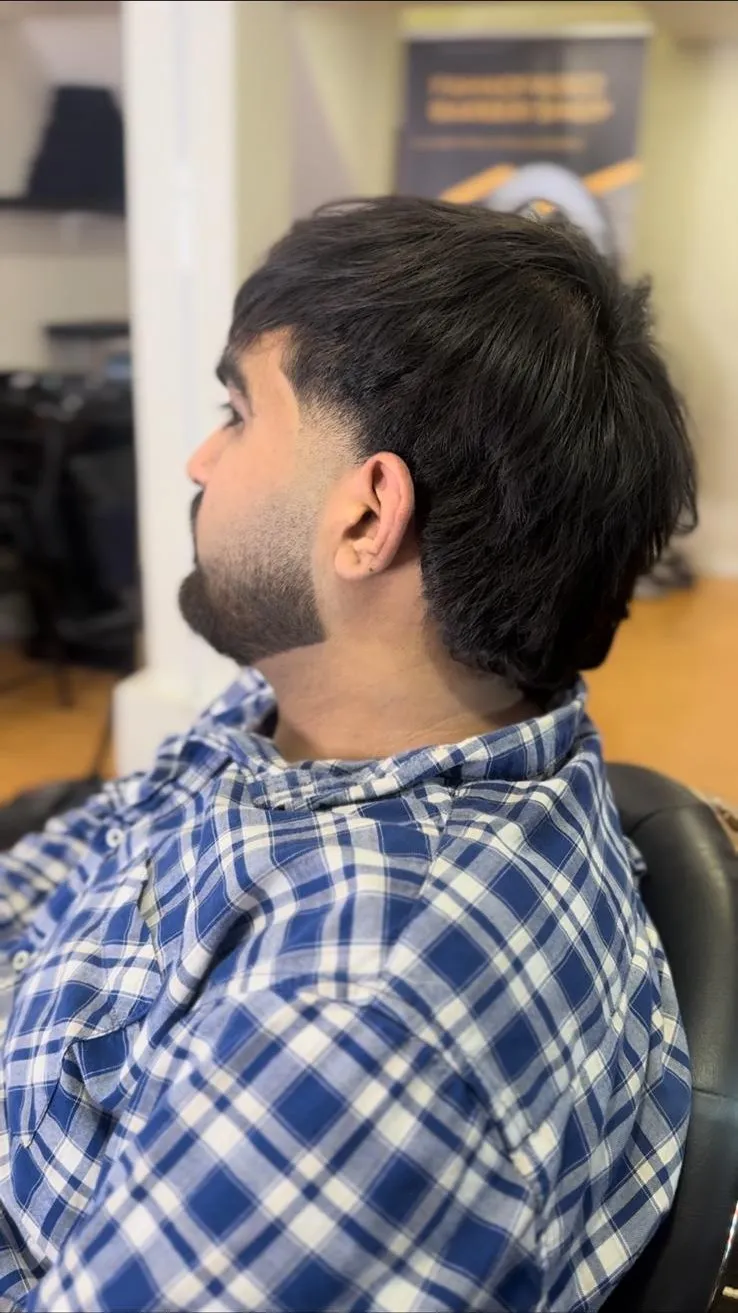
The difference is the connection between zones. The old mullet was a short crown sitting on a straight curtain of long hair, with a harsh step in between. The modern one blends the top into the back with layers and uses a fade shape, most often a burst fade, that curves around the ear and drops back into the length.
The top is usually cut with texture, anywhere from a short crop to a longer fringe. The back is shaped so it flicks or curls rather than hanging flat.
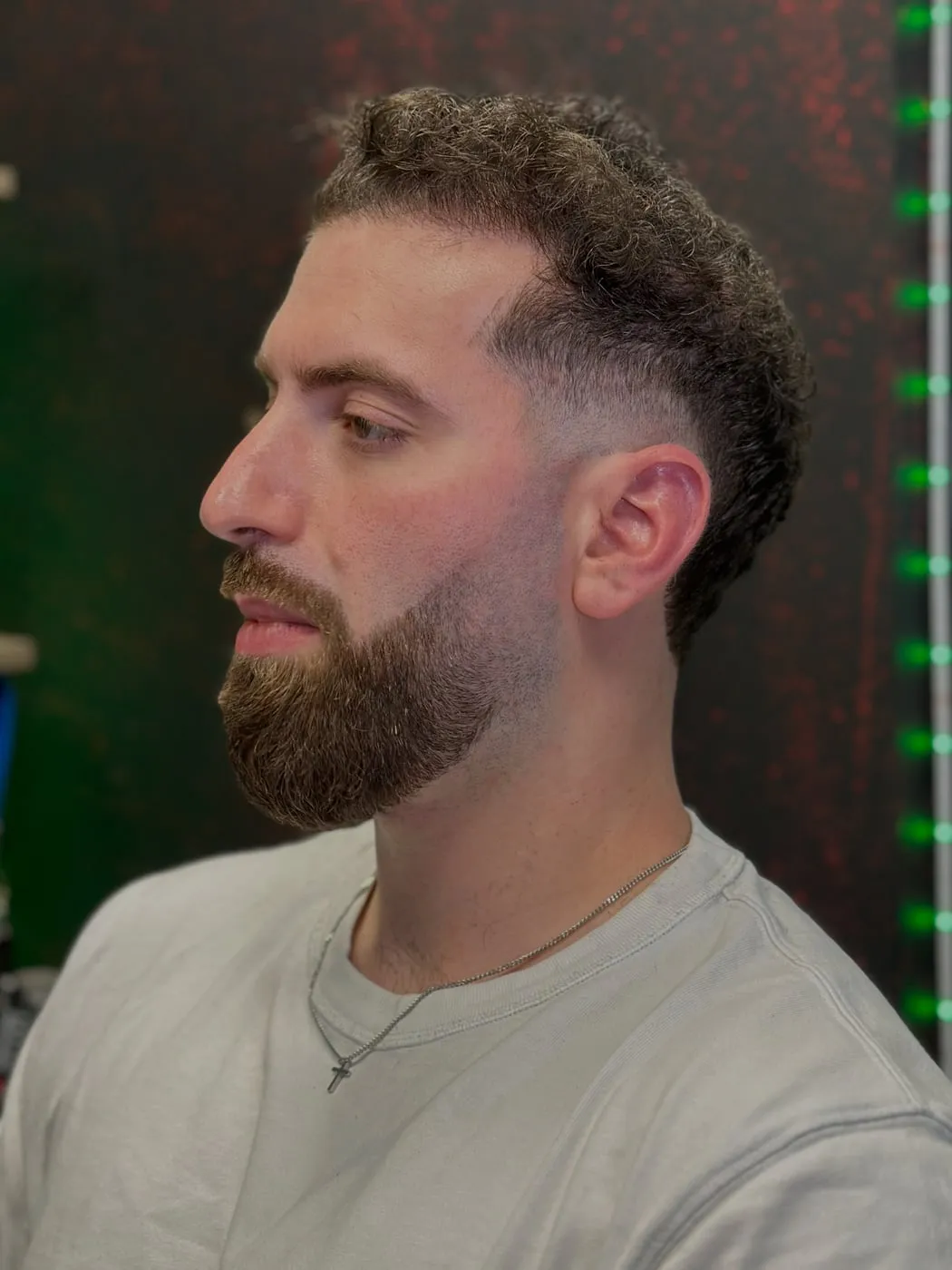
- Burst fade mullet: semicircle fade around the ear, length untouched at the back. The most requested version.
- Taper mullet: only the sideburns and area above the ear are cleaned up; softer and office-friendly.
- Drop fade mullet: fade dips behind the ear and stops above the long section.
- Scissor mullet: no clippers at all, all layers; closer to a shag.
Curly and wavy hair make the best mullets
Curl pattern gives the back natural volume and movement, so a curly mullet looks full with no product. It also hides the transition between the short sides and the long back better than straight hair does.
We cut curly mullets dry, curl by curl, because curly hair can shrink by half its length when it dries. Cutting it wet at the back is the fastest way to end up with a mullet that sits two centimetres higher than you asked for.
Straight hair can still work, but the back tends to lie flat against the neck. A little sea salt spray and some point cutting at the ends give it the bend it lacks.
How long a mullet takes to grow
At about 1 to 1.5 cm of growth a month, starting from a standard short cut, the back reaches the collar in roughly three months and has real length at around six. The key is to keep cutting the sides during that time and leave the back strictly alone.
| Stage | Back of the neck | What we do |
|---|---|---|
| Month 1 | Just touching the nape | Burst or taper on the sides, leave the back |
| Month 2 to 3 | Reaching the collar | Keep sides tight, shape the top, first light shaping of the back |
| Month 4 to 5 | Past the collar | Layer the back so it flicks, refine the fade shape |
| Month 6+ | Full mullet | Maintenance: sides, texture, trim ends |
Why the back needs regular shaping
Leaving the back alone to grow is not the same as ignoring it. Hair at the nape grows at slightly different rates and often in different directions, so without shaping it goes uneven, splits into strands and starts to look like you missed a haircut rather than chose one.
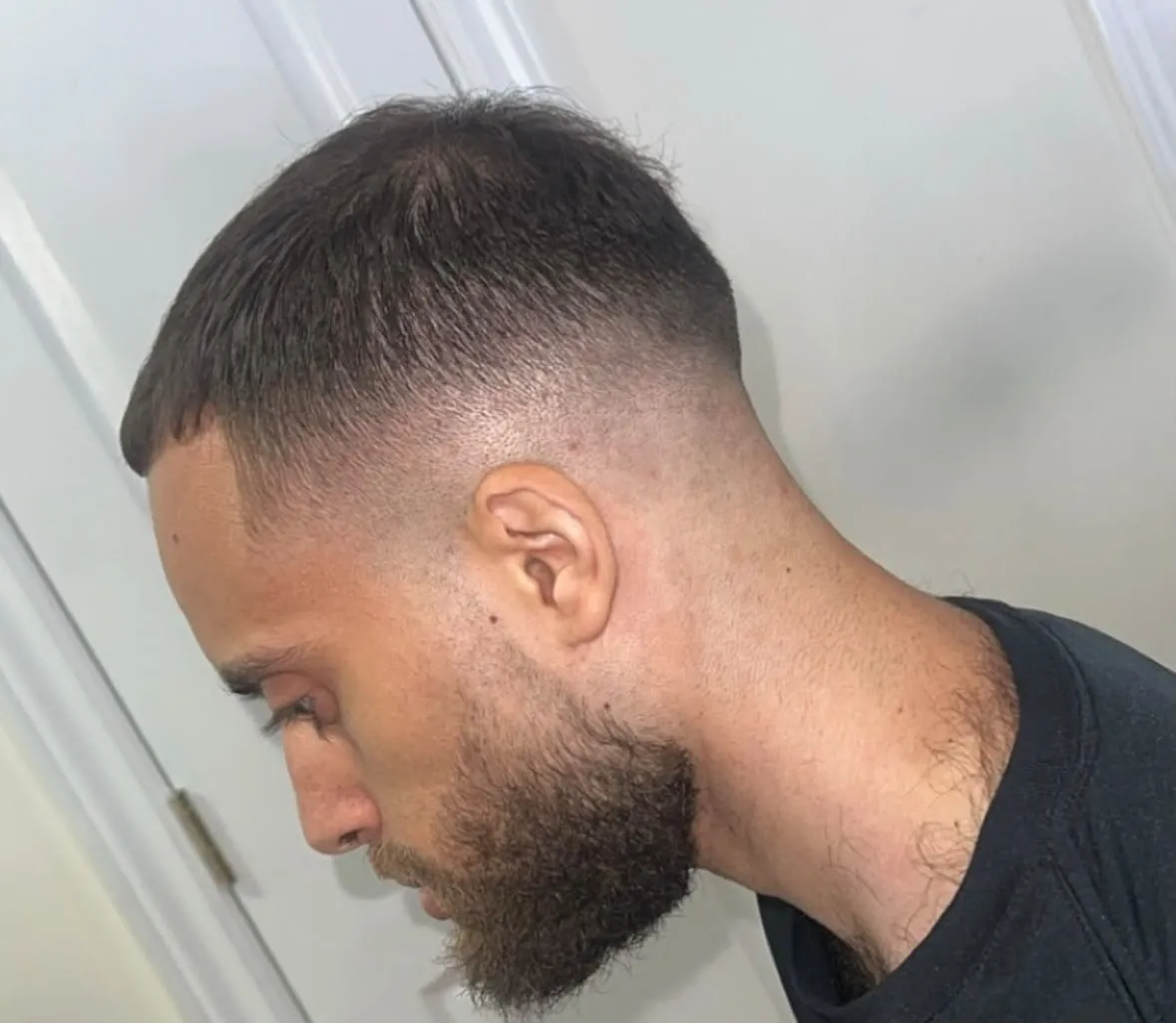
Every visit we take a few millimetres off the ends, point cut into them to keep them light, and check that the outline is symmetrical from both sides. We also clean the neckline under the length, the short hair below the mullet, with a trimmer so it looks intentional. That small detail is what the neck taper page is all about.
Who the modern mullet suits
It works best on oval and long faces, where the width from the top and the length at the back balance each other. On very round faces keep the sides short and add height on top so the head does not look wide.
It also rewards thick hair; if your crown is thinning, the contrast between the long back and the sparse top can draw attention to it. A wolf cut gives a similar feeling with more coverage up top; compare the two on our wolf cut page.
Modern mullet: common questions
Can I wear a mullet to a professional job?
A taper mullet with a short back is subtle enough for most workplaces. If you need to look conservative for an interview, you can style the back tucked with a little product for the day.
Should I shave the sides for a mullet?
Skin-short sides give the boldest contrast, but leaving a 1 or 2 guard at the bottom of the burst grows out more gracefully. We usually start with a taper and go shorter once you know you like it.
Does a mullet work with a beard?
Yes. The sideburns can be blended into the beard instead of being faded to skin, which makes the whole outline look connected.