
Hair & Beard Care
How to Use Hair Clay for a Matte, Textured Finish
Short answer: To use hair clay, start with dry or almost dry hair, scrape out a pea-sized amount with your fingernail, and rub it hard between your palms until it softens and nearly vanishes. Work it into the roots first with your fingertips, then twist and pinch the ends into pieces. Clay gives a strong, matte hold that suits textured crops, short quiffs and messy styles where shine would look wrong.
Why hair clay suits textured cuts
Clay suits textured cuts because it grips individual pieces of hair without making them shiny or glued together. The clay minerals in it, usually kaolin or bentonite, absorb a little oil and add grit, so hair looks thicker and holds shape while still reading as natural.
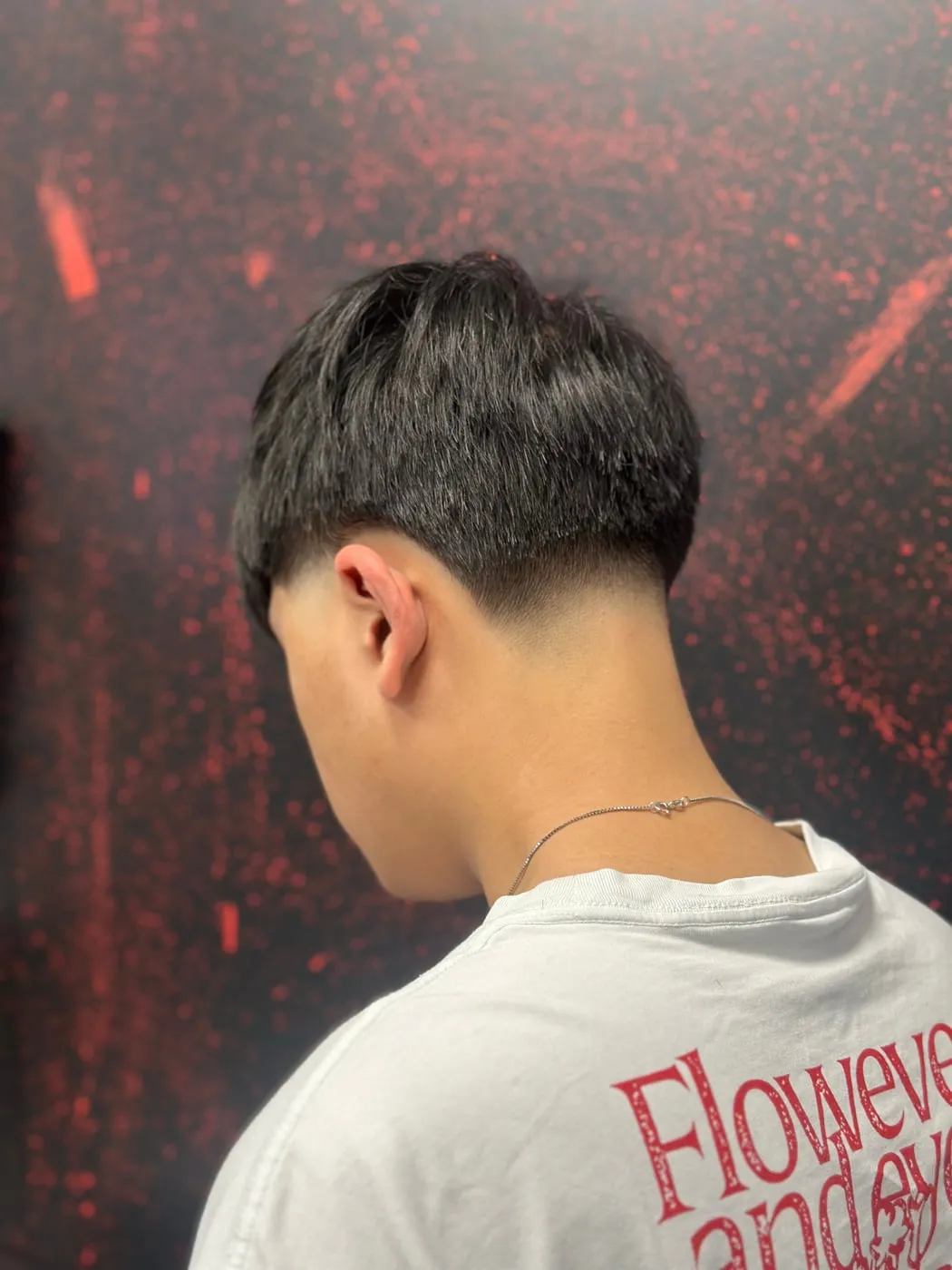
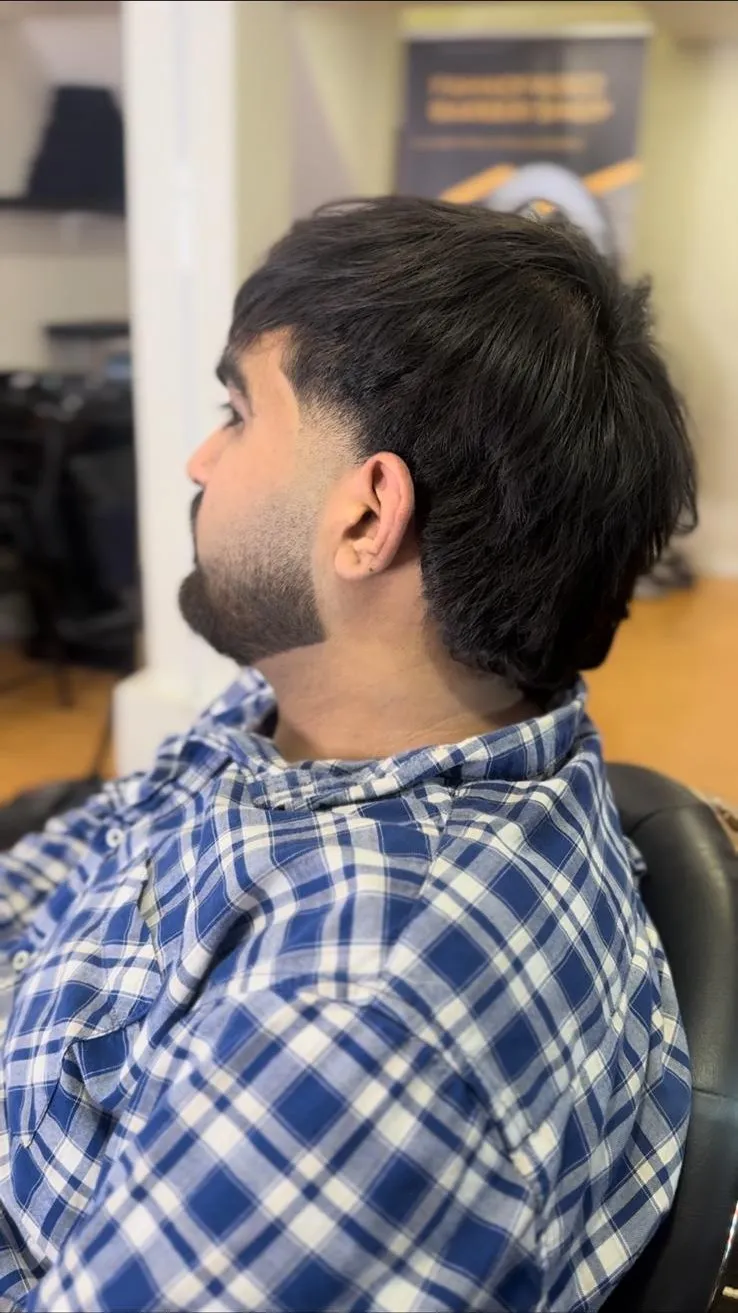
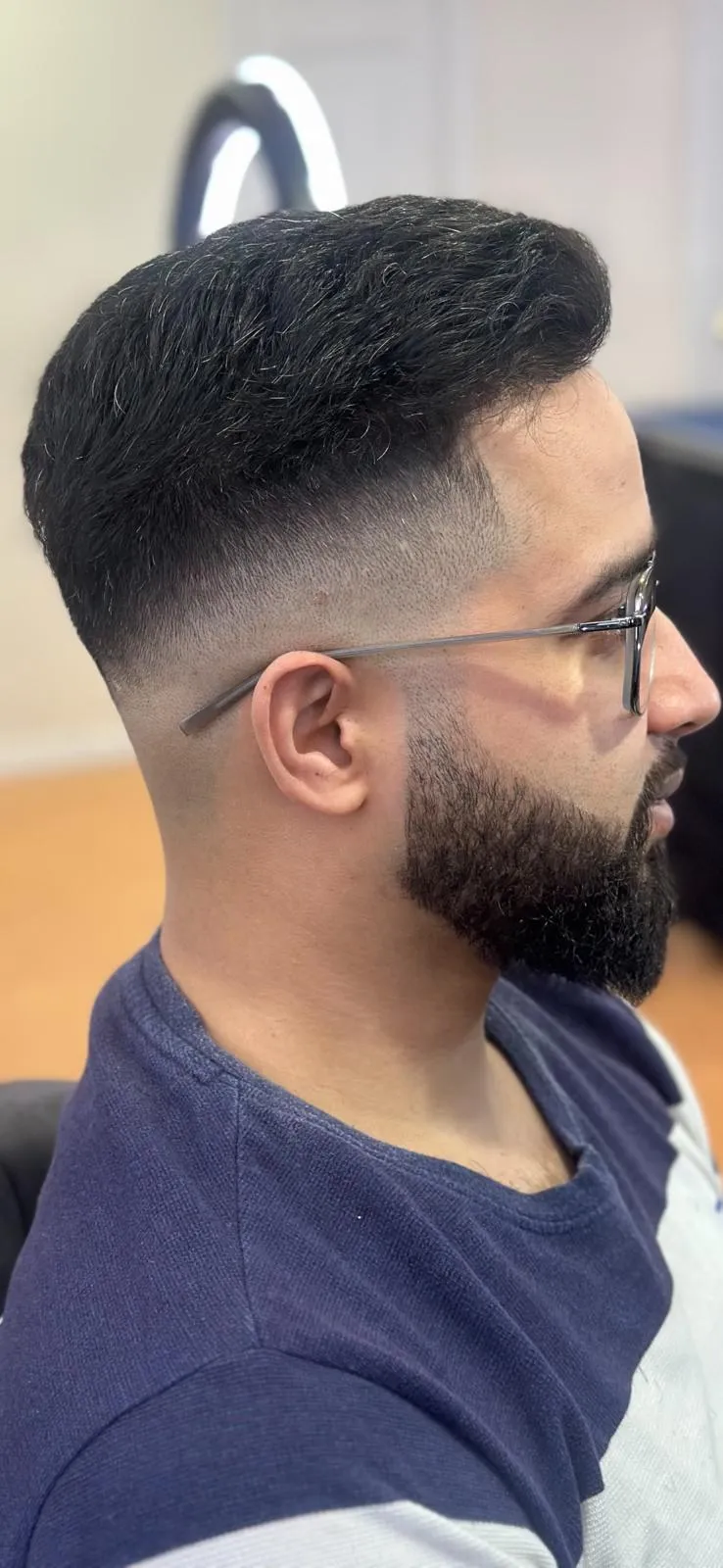
That makes it the default for anything cut with point cutting or texturizing shears on top: a textured crop, a short messy quiff, a two-block with a loose fringe. It is a poor match for sleek combed styles, where you want the shine and slip of pomade instead.
How to apply hair clay, step by step
The method is dry hair, warm product, roots before ends. Clay is thick and stiff in the tub, so the warming step matters more than with any other product.
- Dry your hair fully, or to about 90%. Clay on wet hair turns pasty and loses most of its hold.
- Scrape out a pea-sized amount with a fingernail rather than scooping with a finger, which tends to grab too much.
- Rub your palms together firmly for ten to fifteen seconds until the clay is soft, spread thin and hard to see.
- Claw your fingertips into the roots at the crown and front, pushing the hair up and in the direction you want it to sit.
- Run what is left on your palms lightly over the surface to catch the ends.
- Twist or pinch small sections between your thumb and finger to separate them into defined pieces.
Rough drying first gives clay something to hold
Rough drying is a fast, messy blow dry with your fingers instead of a brush, and it gives clay a lifted base to lock in. Without it, clay on flat hair only holds flat hair.
Set the dryer to medium heat and aim the airflow at the roots while you rub the hair back and forth with your fingertips. For a quiff, push the front up and back as you dry; for a crop, push it forward and slightly to one side. Stop when the hair is dry to the touch and has some volume, then apply the clay. Our guide to blow drying men's hair goes further into direction and nozzles.
Common clay mistakes and how to fix them
Most clay problems show up as a dull, heavy or chalky look, and each has a clear cause.
- Heavy and flat: too much clay for fine hair. Wash it out and use half the amount, or switch to texture powder.
- White specks: the clay was not warmed enough. Rub your palms longer before it touches your hair.
- Hold gives up by lunch: the hair was damp when the clay went in. Dry it fully next time.
- Crunchy feel: a clay with a lot of wax plus heavy application. Use less and work it deeper into the roots rather than the surface.
- Patchy result: clay only on the front. Start at the crown and move forward.
Which hair types get the most from clay
Medium to thick straight hair and loose waves get the most from clay, because there is enough hair for the grit to push apart into texture. Thick hair that tends to puff up also benefits, since the matte hold keeps it in place without looking wet.
Very fine hair can still use clay if the amount is tiny, and many people with fine hair prefer a light clay over wax. Tight curls and coils are usually better served by curl creams or a light gel, which define rather than rough up the pattern. If you are not sure where your hair sits, ask at your next scissor cut and we will show you the amount on your own hair.
How to use hair clay: common questions
Can I use clay every day?
Yes, as long as you wash it out regularly. Clay rinses out with a normal shampoo, though a heavier one may need two washes.
Clay or pomade for a quiff?
Clay for a messy, textured quiff and pomade for a smooth, glossy one. Our pomade vs wax vs clay page compares the three in detail.
Does hair clay damage hair?
Clay does not damage hair when it is washed out properly. Leaving thick layers on the scalp for days can contribute to build-up, so rinse it out at least every second day.
Can I restyle clay during the day?
A little. Wet your fingertips slightly and rework the pieces; the clay softens enough to reshape without adding more.