
Style Comparisons
Low Taper vs Low Fade: How Much of the Side Gets Cut Short
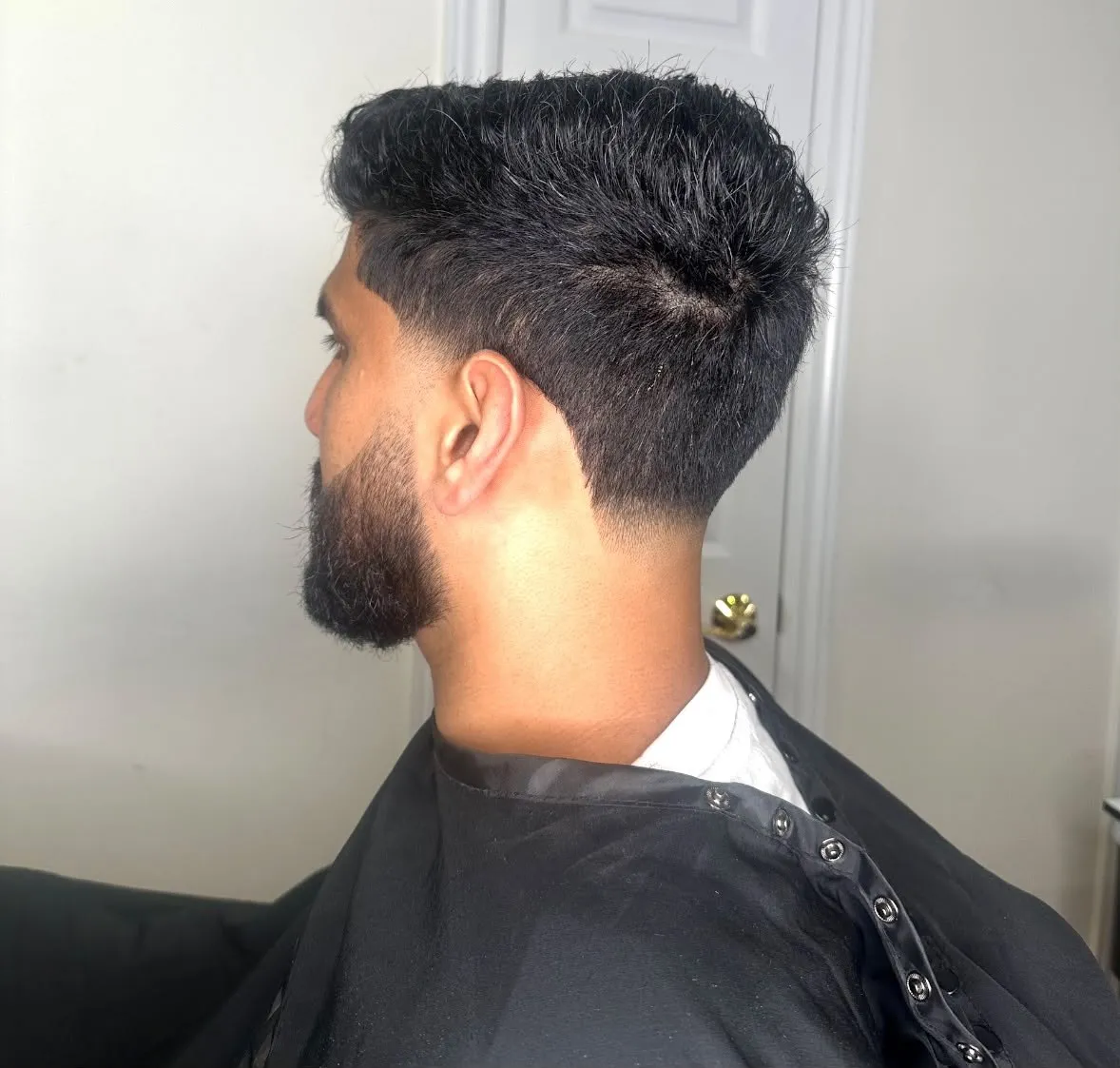
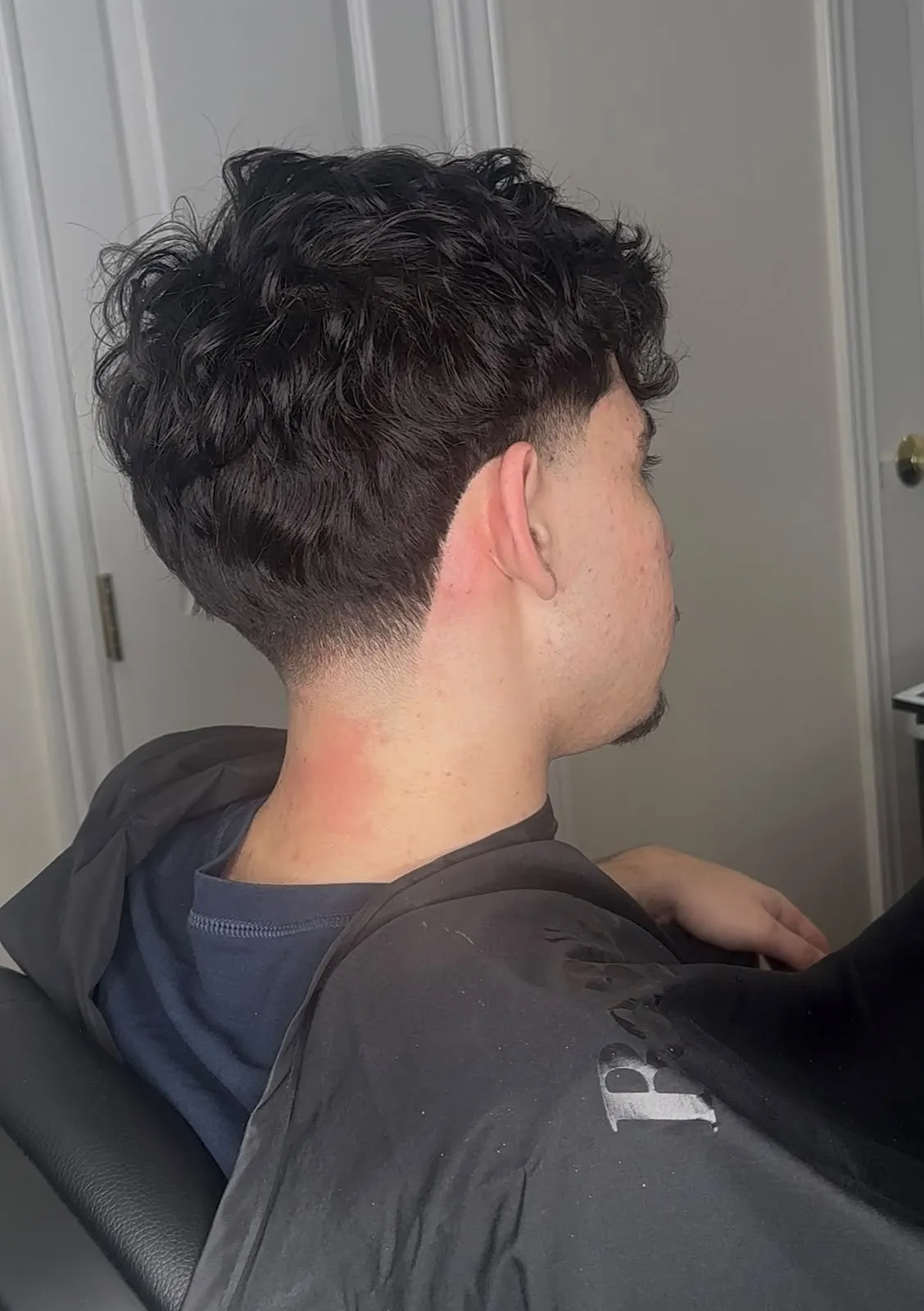
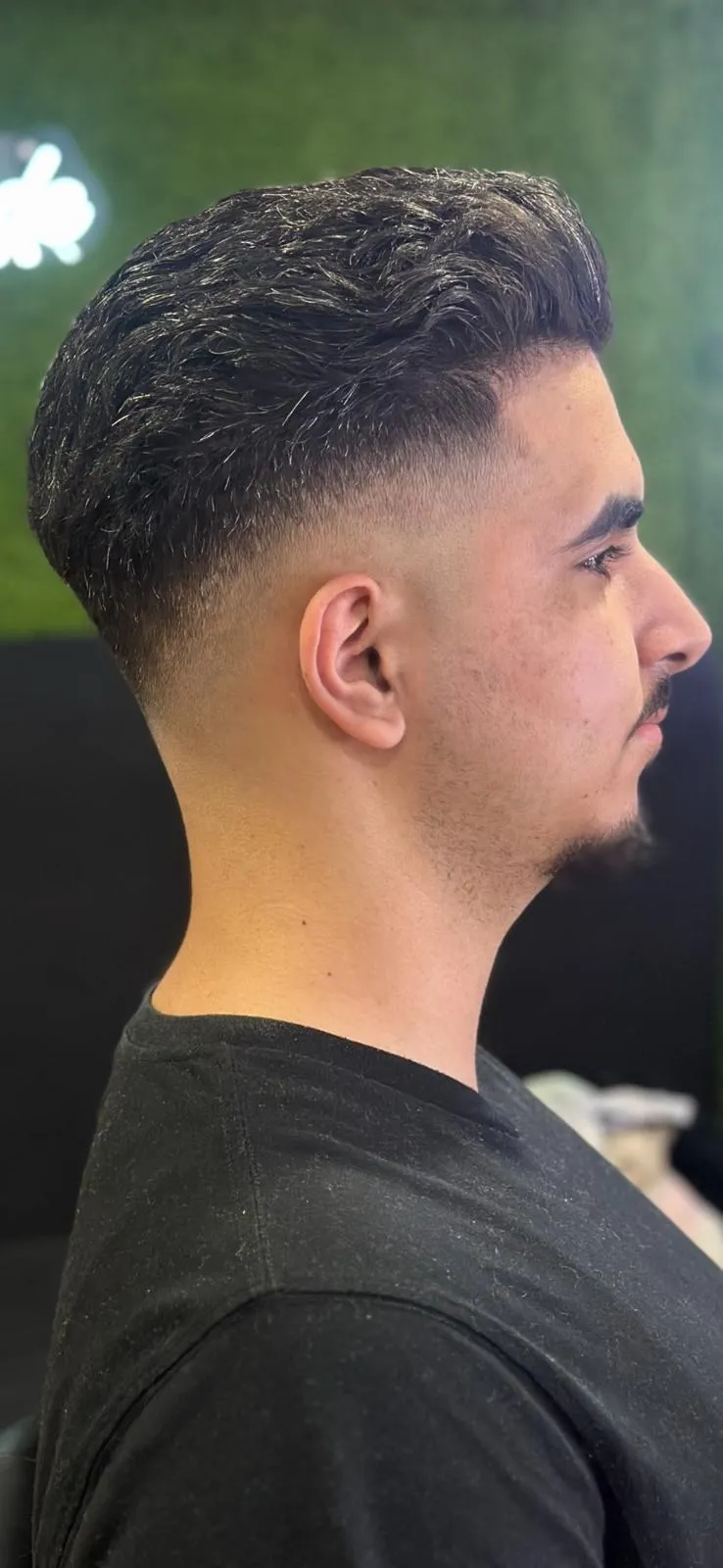
Short answer: A low taper only shortens two small zones, the sideburns and the nape, and leaves the hair above and behind the ear at its normal side length. A low fade takes a continuous short band around the whole head, just above the ear and across the back. The taper grows out softer and lasts longer; the low fade looks cleaner around the ears but needs a visit sooner.
Why these two get confused so often
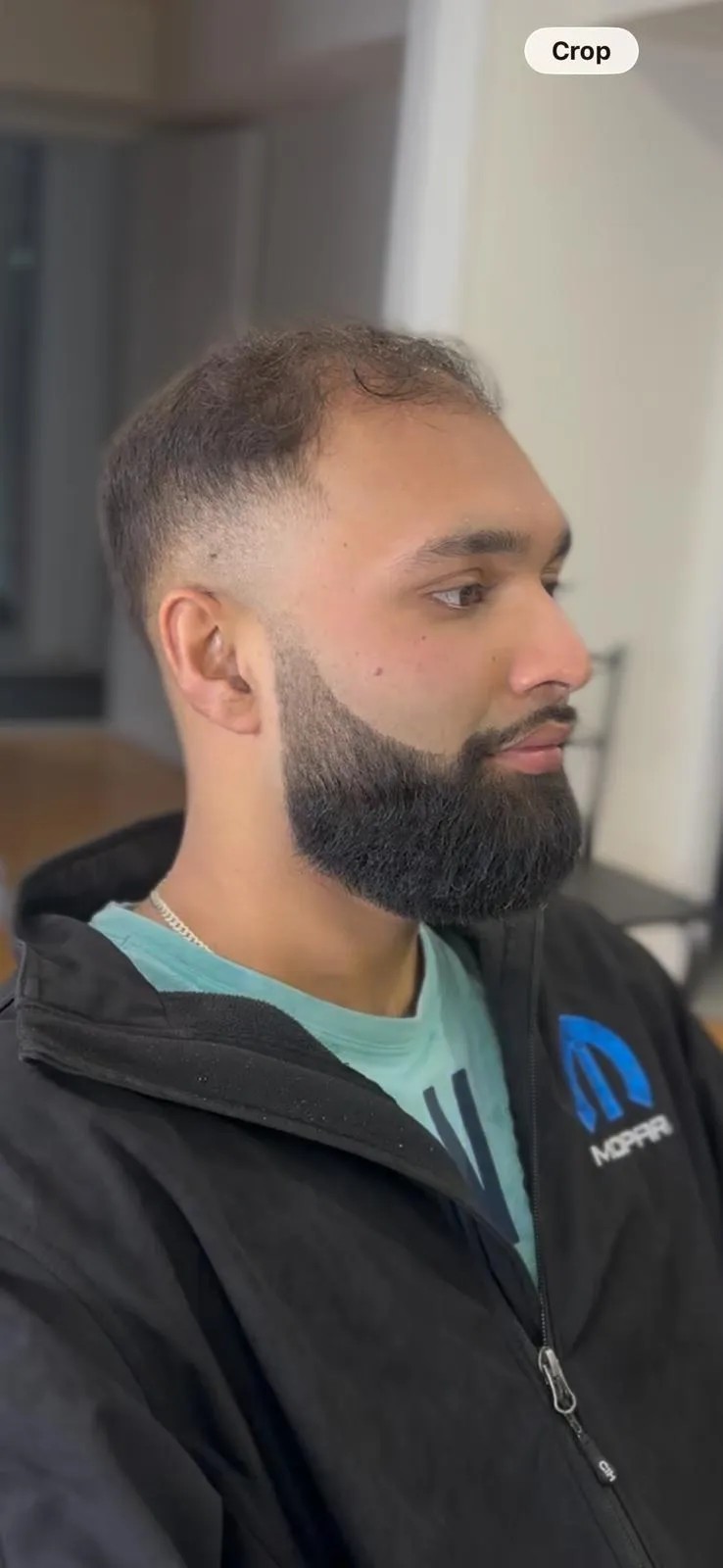
Both sit low on the head, both blend from short to long, and both look conservative from the front. On a phone screen, a fresh low fade and a fresh low taper can be almost identical from the front view.
The difference shows up around and behind the ear. On a low taper, the patch of hair directly above the ear still has length; you can pinch it. On a low fade, that patch has been faded too, so the short zone is unbroken from one sideburn, across the back and round to the other.
How much of the side each one takes
Think in centimetres rather than names. A low taper usually works in a zone 1 to 2 cm tall at the sideburn and 2 to 4 cm tall at the nape, and nothing in between. A low fade band runs 2 to 3 cm tall all the way around, starting roughly a finger-width above the ear.
That extra coverage is the whole difference. It is also why a low fade shows more scalp over the ear and why a taper keeps a rounder side profile.
| Low taper | Low fade | |
|---|---|---|
| Short zones | Sideburns and nape only | Unbroken band from sideburn around the back |
| Above the ear | Keeps side length, often a 3 or 4 | Faded, shortest just over the ear |
| Usual finish | 1 guard or skin at the very edge | Skin, 0 or a half guard |
| Side profile | Round, full | Flatter and cleaner at the ear |
| Looks fresh for | About 4 to 5 weeks | About 3 to 4 weeks |
| Grows into | A regular scissor or clipper cut | A short back and sides, then fuzzy edges |
Three examples that show the difference
Examples make this easier than definitions. These are the three requests we hear most, and which cut each one really is.
- 'Clean up the sides but keep them, I'm growing my hair out': low taper. Nothing above the ear should be taken short.
- 'Short over the ears and around the back, but nothing high': low fade. The band has to be continuous to get clear ears.
- 'Like a blowout, curls full on the sides, sharp neckline': low taper, often called a blowout taper when the top is picked out.
How each one grows out, week by week
The low taper wins on grow-out. In weeks one and two it looks the same; by week three the sideburns fill in and the nape softens; by week five it simply looks like a slightly longer regular haircut.
A low fade looks brighter in week one because the ear area is clean. By week two the skin band turns shadowy, by week three the hair over the ear starts to touch the rim, and around week four the blend has gone. It still looks tidy, but not faded. Our page on how long a fade lasts covers this in more detail.
Which to pick: taper or fade at the low height
Go with the low taper if you are growing your hair, wear it curly or wavy, need a very quiet look for work, or book once a month or less.
Go with the low fade if you like the ears clear, find hair over the ears itchy under a toque or headset, want more contrast with a textured top, or you are testing fades for the first time and want the gentlest version. It is the natural next step up from a taper.
Either way, the height stays low, so neither will show much scalp or cause trouble with a conservative dress code.
How to ask, and where to read more
For a taper: 'Low taper, just the sideburns and the neckline, keep the length over and behind the ears.' For a fade: 'Low fade, continuous around the back, starting just above the ear.' The words 'keep the length over the ears' or 'continuous around the back' do most of the work.
We book both as Haircut Only; Marcel Shabo cuts a lot of our tapers. For a full look at each style separately, see the low fade and the low taper fade, or our taper fades service.
Low taper vs low fade: common questions
Is a low taper fade the same as a low taper?
Usually yes; 'low taper fade' is the common search term for a low taper that goes short at the very edges. Some barbers make the nape slightly wider, so describe the zones you want.
Which looks better with a beard?
A low fade blends into a beard more naturally because the sideburn fades continuously into the facial hair. A taper can still connect to a beard if we blend the sideburn down.
Can I start with a low taper and move to a low fade later?
Yes, and that direction is easy because we are only taking more off. Going from fade back to taper needs a few weeks of growth first.
Does a low fade or low taper suit a round face?
Both keep weight on the sides, so height on top matters more. A low fade removes a touch more width at the ears, which slightly helps a round face.