
Style Comparisons
Clay vs Paste: Matte Hold or Pliable Texture?
Short answer: Clay gives a firmer, fully matte hold and makes hair look thicker, because mineral clays such as kaolin or bentonite absorb oil and add grit. Paste is softer and more pliable, usually with a low sheen, so hair moves and can be restyled with your fingers during the day. Choose clay for fine hair and lifted, textured styles; choose paste for thick hair, shorter messy cuts and a more natural, touchable finish.
The palm test shows the difference in seconds
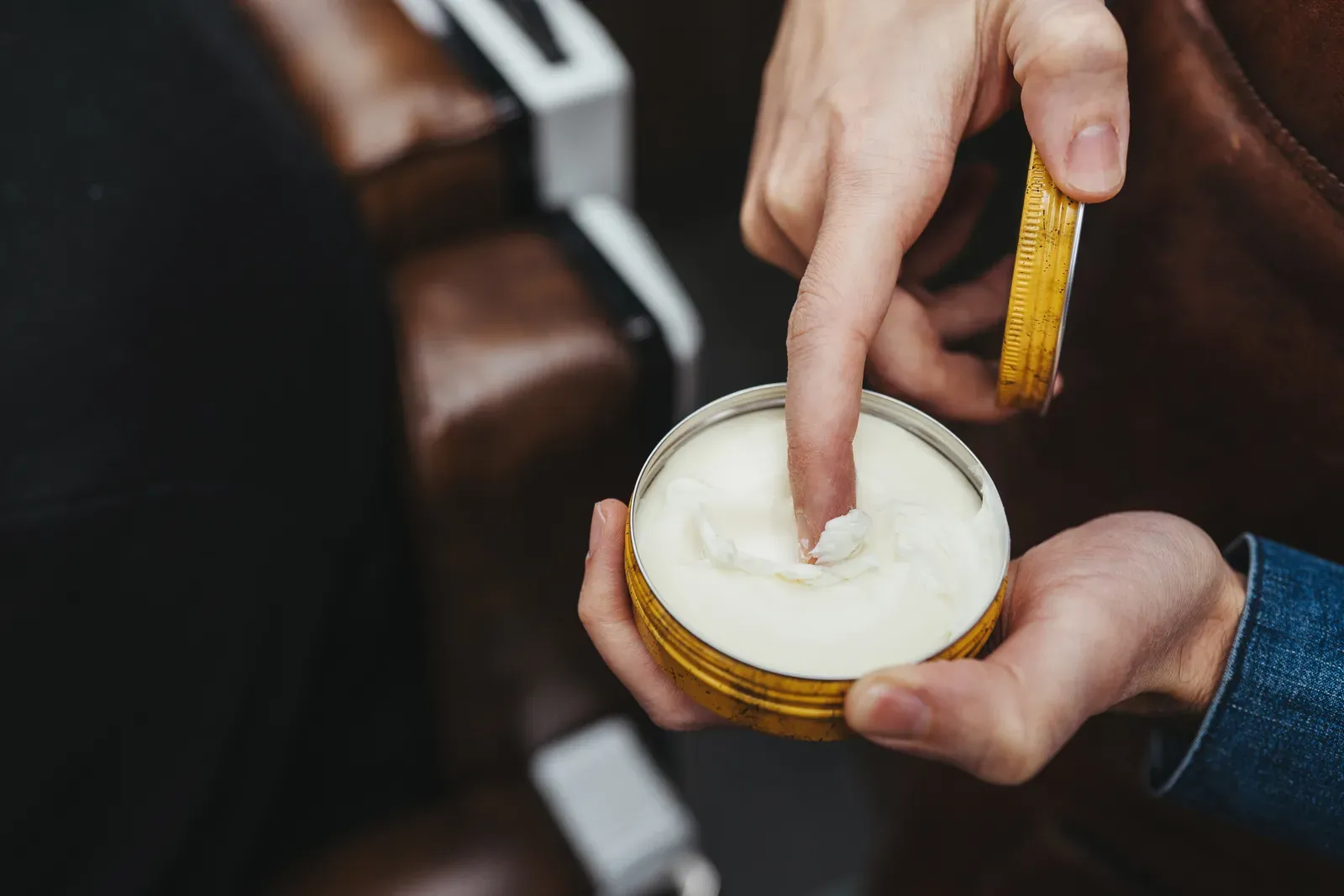
Rub a pea of each between your palms and they behave differently straight away. Clay starts stiff and chalky, takes ten seconds or more to soften, and leaves your hands feeling dry and slightly gritty. Paste spreads almost at once, feels creamy or slightly tacky, and leaves a thin, faintly shiny film.
That feel in the hand predicts the finish on your head. The grit in clay is what props strands apart and holds them in place, while the softer base of paste coats the hair more evenly and lets it bend. Labels vary a lot between brands, so if a product called paste feels dry and chalky in your palm, treat it like a clay.
How clay and paste compare
Treat these as typical behaviour for each category; individual formulas can sit anywhere along the range.
| Clay | Paste | |
|---|---|---|
| Hold | Medium to strong | Light to medium |
| Finish | Fully matte | Natural to low sheen |
| Feel in the hair | Dry, gritty, a little stiff | Soft, flexible, touchable |
| Volume | Adds noticeable thickness | Adds little |
| Restyling at midday | Limited without water | Easy with fingers |
| Best length on top | 3 to 10 cm | 2 to 8 cm |
| Washes out | One shampoo, sometimes two | Usually one shampoo |
Hair thickness usually decides it
Fine hair almost always does better with clay. The grit bulks each strand and keeps pieces apart, so the scalp shows less; paste on fine hair tends to clump strands together into shiny ribbons with gaps between them. If fine hair is your main problem, making hair look thicker covers blow-drying habits that pair with clay.
Thick or coarse hair often prefers paste. Clay on a dense top can feel like cardboard and look heavy, while paste controls the bulk without locking it. Medium hair can go either way, and this is where the style you are wearing becomes the tiebreaker.
Matching the product to the cut
Each product has a set of cuts it naturally suits.
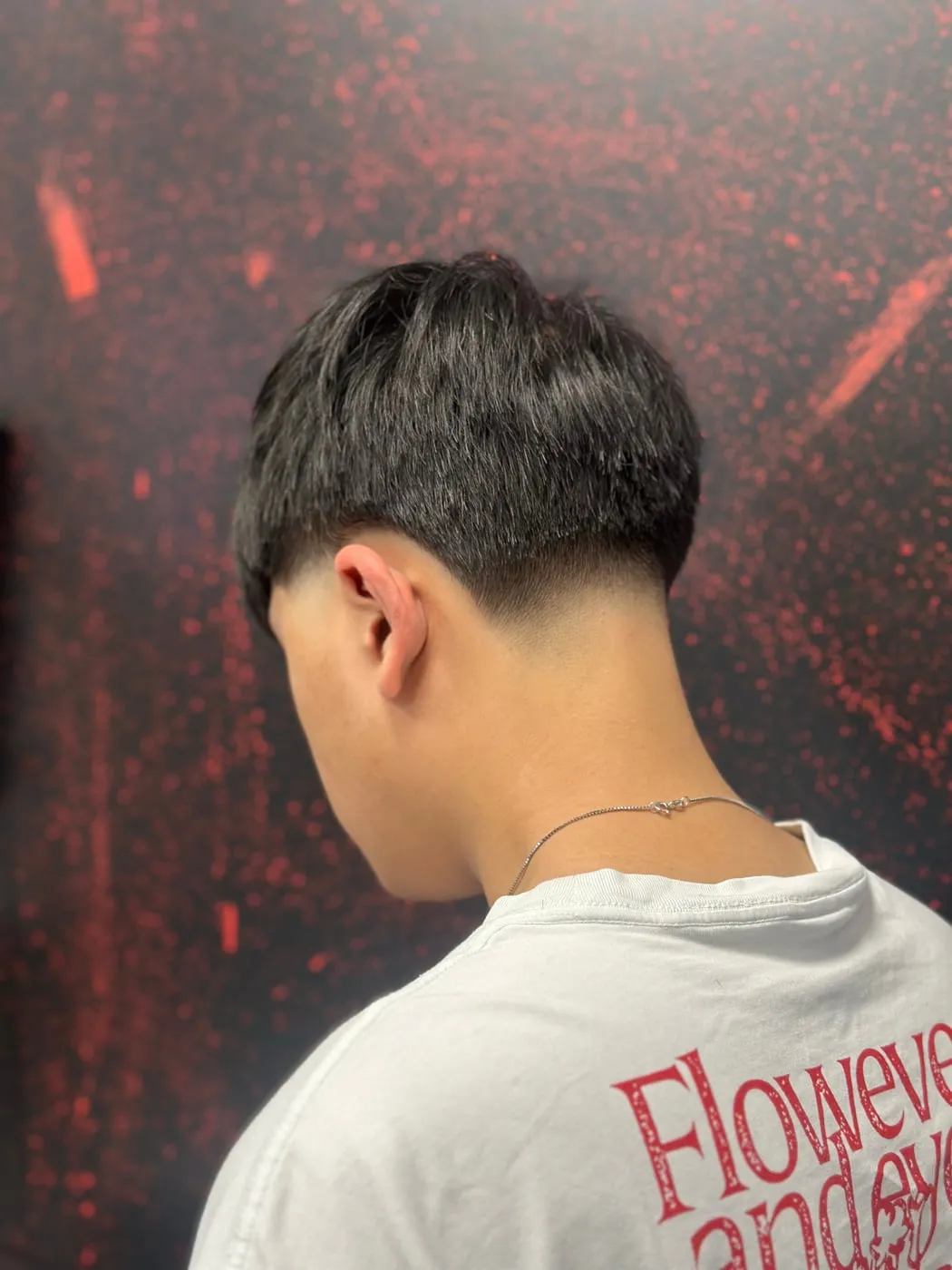
- Textured crop with a choppy fringe: clay, worked into dry roots and pinched at the ends.
- Tall textured quiff: clay for lift, since paste lets the front sink by the afternoon.
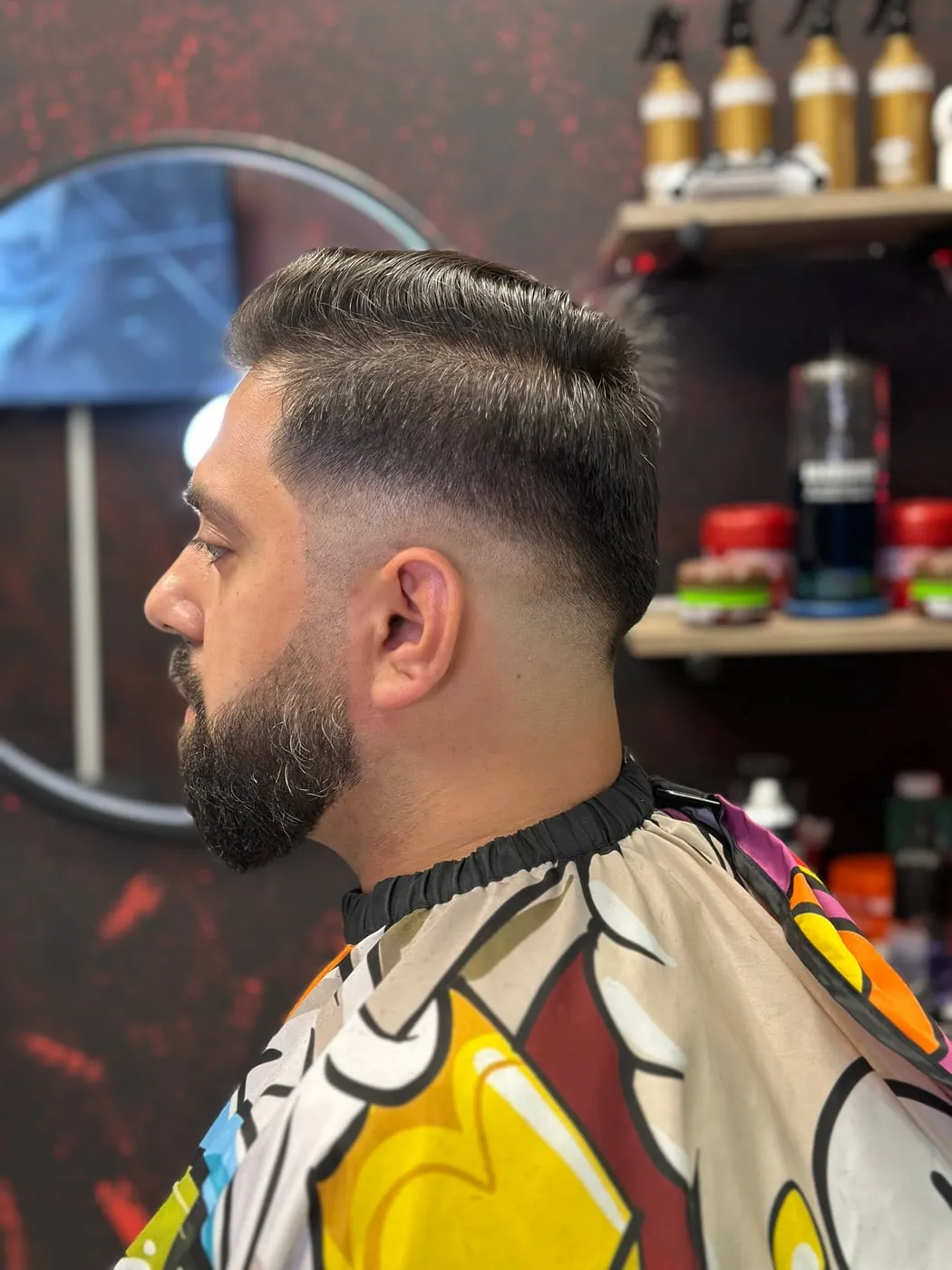
- Smoother, polished quiff or side-swept crop: paste, which gives shape with a little sheen.
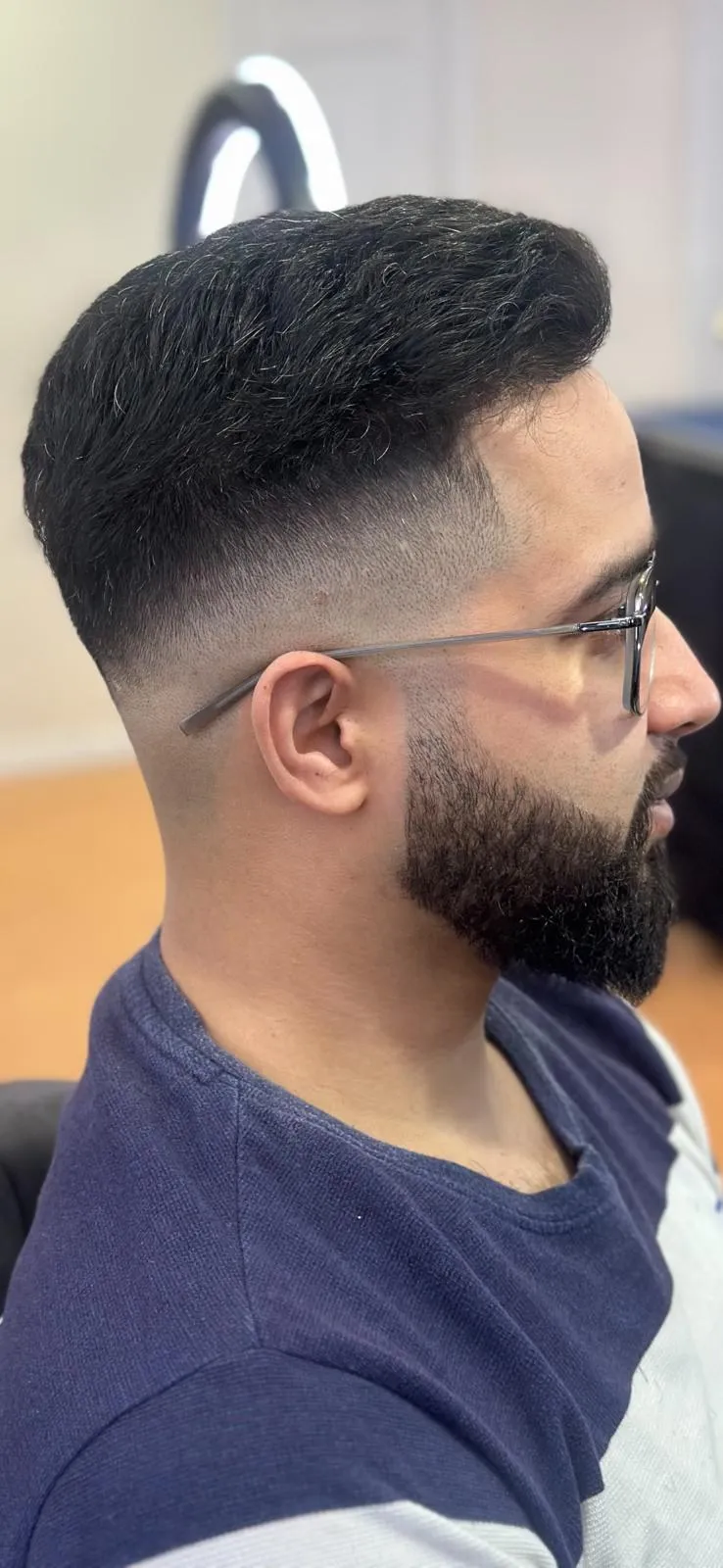
- Short messy cut with 2 to 4 cm on top: paste, because clay can look dusty on very short hair.
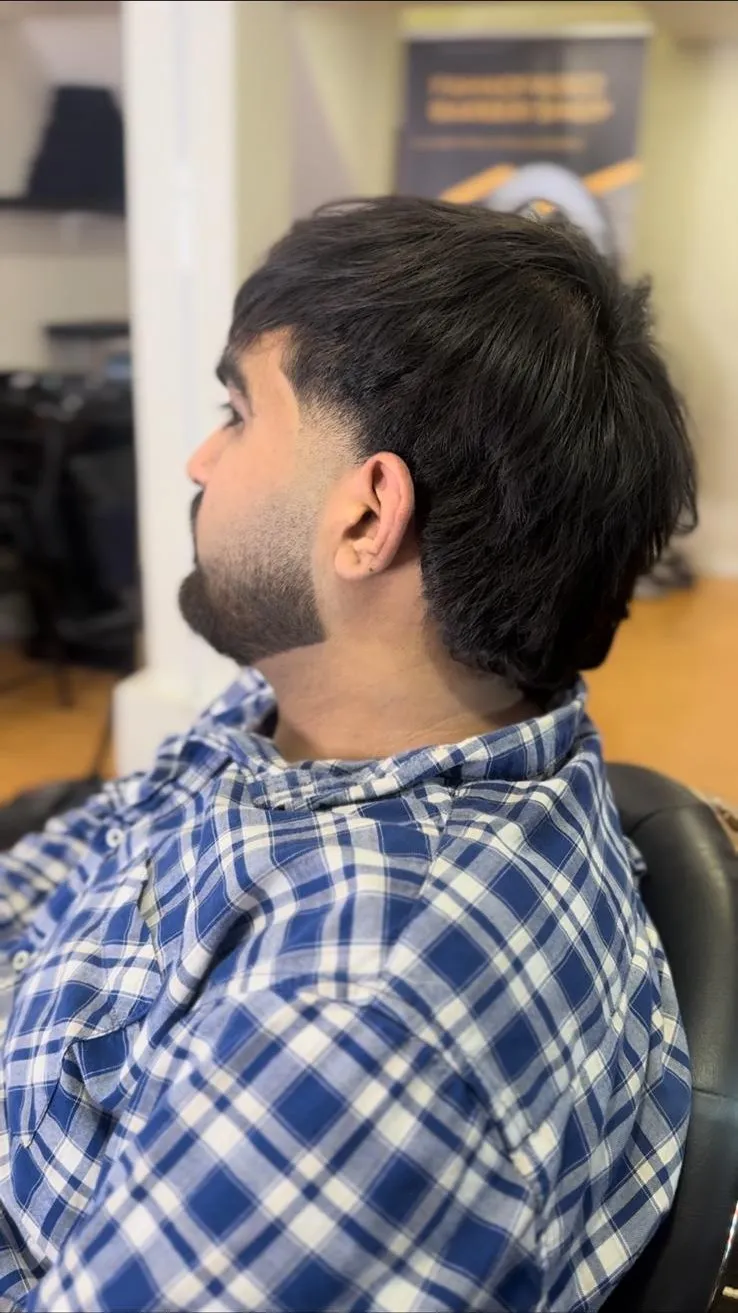
- Two-block or curtains that should move: paste, so the fringe swings rather than sets.
- Loose waves: a small amount of paste defines them; clay tends to rough them into frizz.
How each one lasts through a working day
Clay peaks late. Applied at 7 AM on dry hair, it holds its shape through the morning and usually looks best around midday, when a little scalp oil has softened the matte edge. The trade-off is that once it has set, pushing the hair in a new direction leaves it looking roughed up rather than restyled.
Paste peaks early and forgives more. It looks finished the moment it goes in, drops slightly through the day, and can be reshaped after a toque, a bike helmet or a windy walk with nothing more than damp fingertips. In humid Ontario summers paste can loosen faster than clay, so some people switch to clay from June to August and back to paste in the colder months.
Which to choose, and using both
Pick clay if you want maximum hold, a dry matte look and more apparent thickness, and you style once in the morning. Pick paste if you want softer movement, a hint of sheen and the freedom to touch and redo your hair during the day.
Layering works too. A small amount of clay at the roots for lift, with a smear of paste over the ends for softness, gives height without stiffness. Our pomade vs wax vs clay comparison covers the shinier products, and how to use hair clay covers application. We finish every scissor cut with whichever suits the shape and will show you the amount on your own hair.
Clay vs paste: common questions
Is paste the same as cream?
No. Cream is softer and lighter still, with almost no hold, and is mostly used to smooth and tame. Paste has enough hold to shape a short style.
Why does my clay look white or dusty?
It was not warmed enough before it went in, or too much was used on short hair. Rub it longer between your palms and start with less.
Can I use paste on wet hair?
On slightly damp hair it spreads well and dries to a softer finish. On soaking wet hair it dilutes and loses most of its hold.
Which is better for the gym?
Paste, usually. It rinses out easily and can be reworked after training, while sweat tends to turn clay patchy.