
Barber Answers
When to Shave Your Beard Off, and How to Do It Without Regret
Short answer: Shave your beard off when it no longer suits your job, your face or how you want to look, when skin problems under it keep returning, or when you have grown it for a season and simply want a change. Do it in stages rather than in one pass: clipper it down, try a shorter style for a few days, then shave. Expect paler, more sensitive skin for a week or two, and remember it can always grow back.
Signs it might be time
Most people shave a beard for one of a handful of reasons, and it helps to know which one is yours, because some are better solved by a different beard rather than no beard at all.
- Your job changes: a new role needs a tight-fitting respirator or has a clean-shaven rule.
- It no longer flatters you: weight change, greying or a new haircut has shifted the balance of your face.
- Your skin is unhappy: persistent itching, flaking or bumps under the beard despite good care.
- Maintenance has slipped: you are no longer trimming, oiling and lining it up, and it shows.
- The season has turned: plenty of people in Ontario wear a fuller beard through the winter and go clean-shaven when the humid summer heat arrives.
- You simply want to see your face again.
Consider a shorter beard before going bare
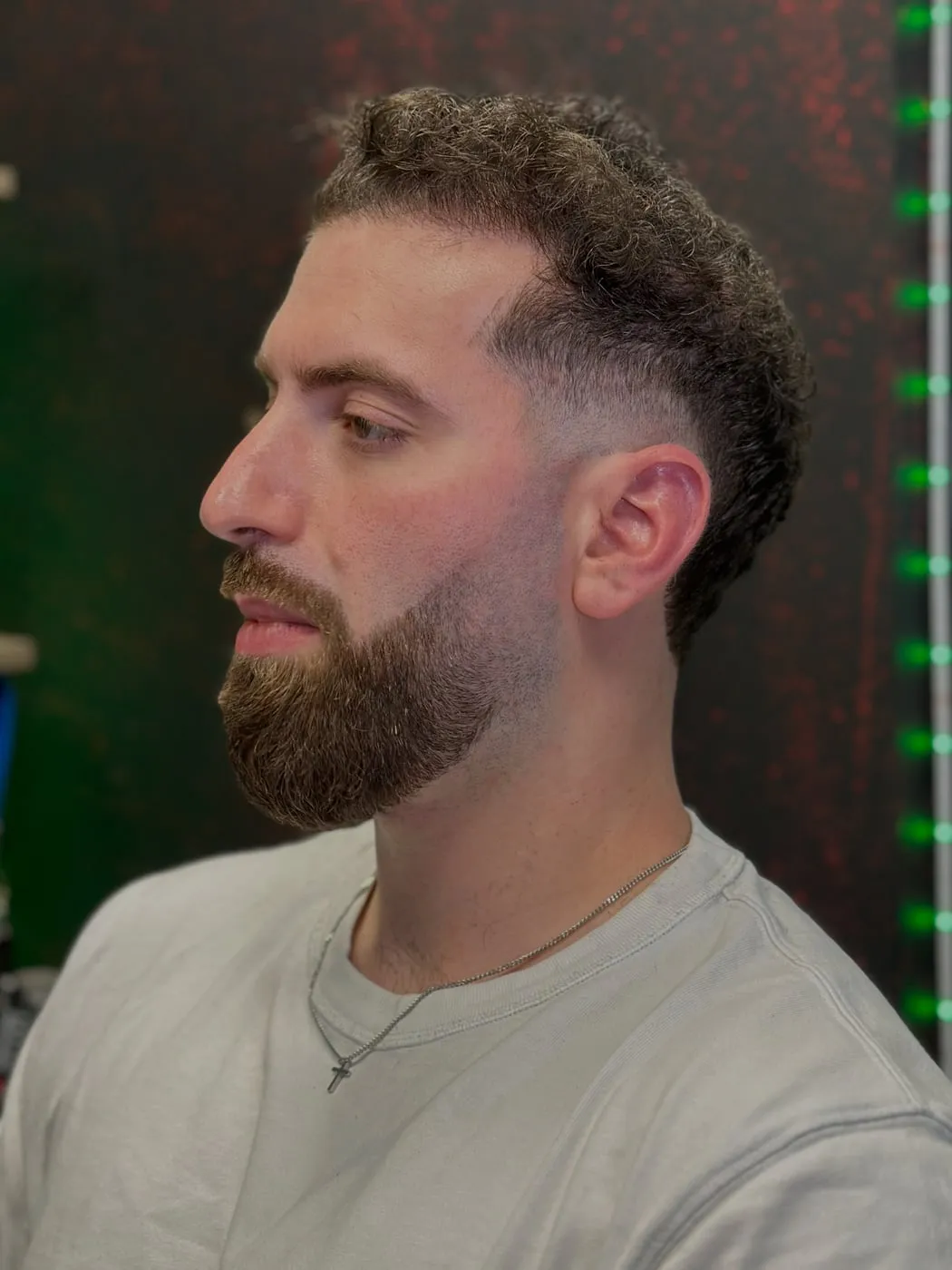
If the problem is that the beard looks untidy, too big or too grey, a restyle may fix it more pleasantly than a full shave. A short boxed beard or heavy stubble keeps some jaw definition while cutting the upkeep and warmth of a full beard.
Skin trouble is different. Itching and flaking under a beard often improve with washing, conditioning and treating the skin rather than removing the hair; our page on why a beard gets itchy covers the usual causes. If a rash, flaking or bumps persist, see a doctor or dermatologist before deciding a razor is the answer.
Shaving it off in stages
Going from a full beard straight to a razor is the most irritating way to do it, because the blade clogs, drags and pulls. Taking it down step by step is gentler on your skin and gives you the chance to stop at a length you like.
- Trim the whole beard to about 5 mm with a guarded trimmer, on dry hair.
- Wear that for a day or two if you are unsure; it is a useful checkpoint.
- If you are curious, shave down to a moustache or goatee for a few days before going fully bare.
- On shave day, trim as close as the trimmer goes without a guard.
- Soften the stubble with a warm shower or a hot, damp towel for a few minutes.
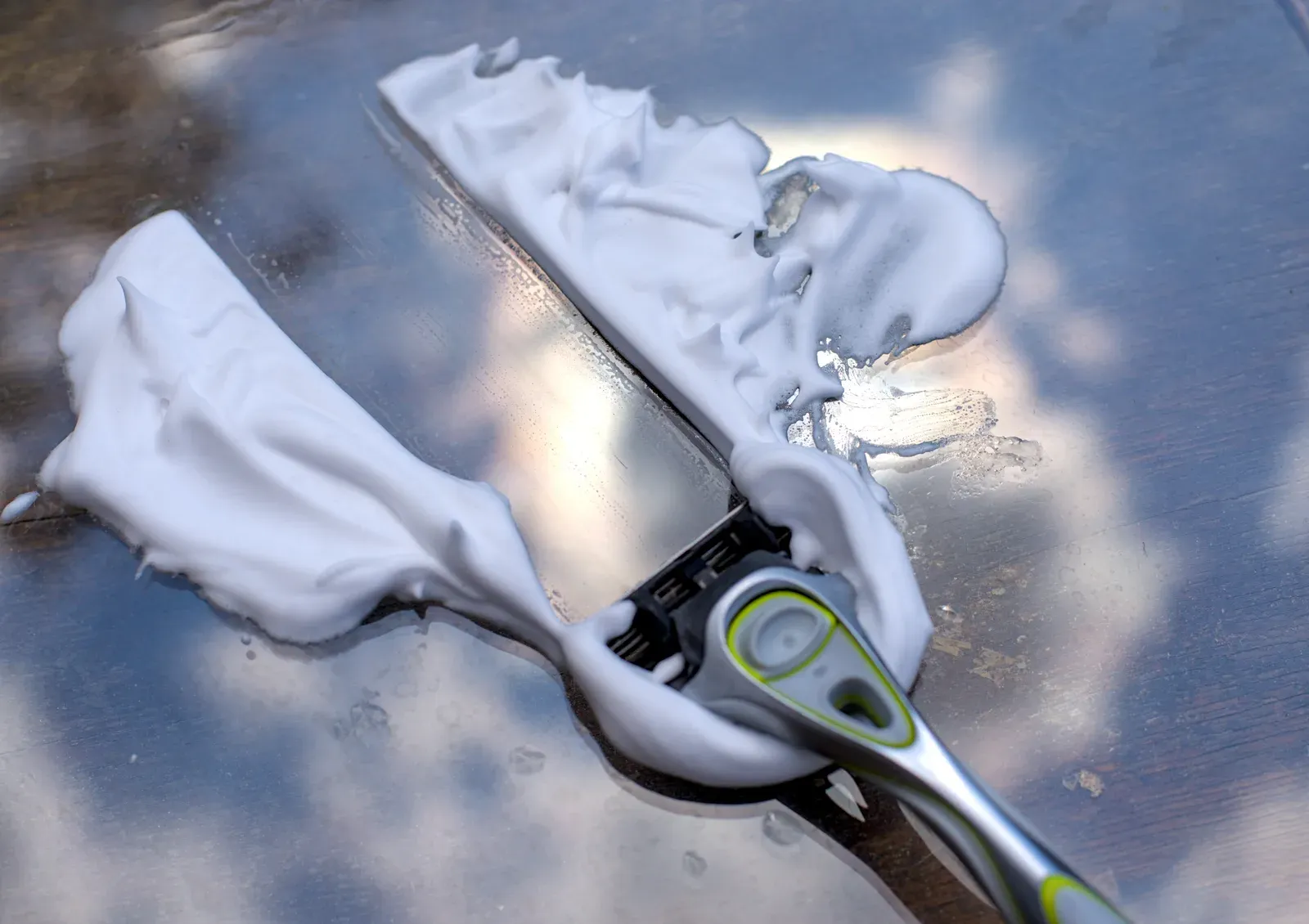
- Use a moisturizing shave cream or gel, and shave with the grain using a fresh, sharp blade and light strokes.
- Rinse with cool water, pat dry and apply a fragrance-free moisturizer.
What to expect in the first two weeks
The skin that has been under a beard for months is not used to air, sun or a razor, so give it some time. The effects below are normal and usually settle within a couple of weeks.
| What you notice | Why | What helps |
|---|---|---|
| Paler lower face | Skin under the beard has had less sun | Daily sunscreen; it evens out over weeks |
| Tightness or dryness | The beard was shielding moisture | A plain moisturizer morning and night |
| Redness or razor burn | Fresh skin meeting a blade | Shave less often at first, with the grain |
| Small bumps on the neck | Short hairs curling back into skin | Consider a trimmer at close length instead of a razor |
| Your face looks unfamiliar | You are used to the beard's outline | Give it a week before judging |
Coarse or curly beard hair needs extra care
If your beard hair is tightly curled, a close shave increases the chance of razor bumps, which are caused by short curly hairs growing back into the skin. For many people the most comfortable clean look is a very short trimmer finish rather than a blade shave.
If you do shave, avoid stretching the skin or going against the grain, and do not pick at any bumps. Recurring bumps, dark marks or scarring are worth taking to a dermatologist. Our guide to preventing razor bumps has a fuller routine.
If you change your mind
The upside of shaving a beard is that it is completely reversible. Most men see visible stubble within a couple of days and a short beard within a few weeks; the stages are described in our beard growth stages guide.
When you start growing again, a barber can shape the early weeks so it looks deliberate rather than neglected. At Markcutit, Beard Only + Lineup sets the neckline and cheek line on a new beard, and Haircut + Beard matches the beard to your cut in one visit. Book on Booksy or call or text when you are ready.
When to shave your beard off: common questions
Will shaving my beard make it grow back thicker?
No. Shaving cuts hair at the surface and does not change the follicle, so regrowth has the same thickness and colour. It can feel coarser because the cut end is blunt.
Should I shave my beard off in winter?
You can, but cold, dry air makes freshly exposed skin more prone to chapping. Moisturize well and use a lip balm and scarf on the coldest days.
Can my barber shave my beard off for me?
Ask your barber whether they offer it. Many will take a beard down to very short stubble with clippers, which makes a home shave much easier and less irritating.