
Barber Answers
What Does Thinning Out Hair Mean? Bulk, Not Length
Short answer: Thinning out hair means removing bulk without changing the length: the barber uses thinning shears, which have fine teeth on one or both blades, to cut out a portion of the hairs within a section so the rest lies flatter and feels lighter. It helps very thick, straight hair that puffs out, but on curly or fine hair it often backfires, causing frizz or a sparse look.
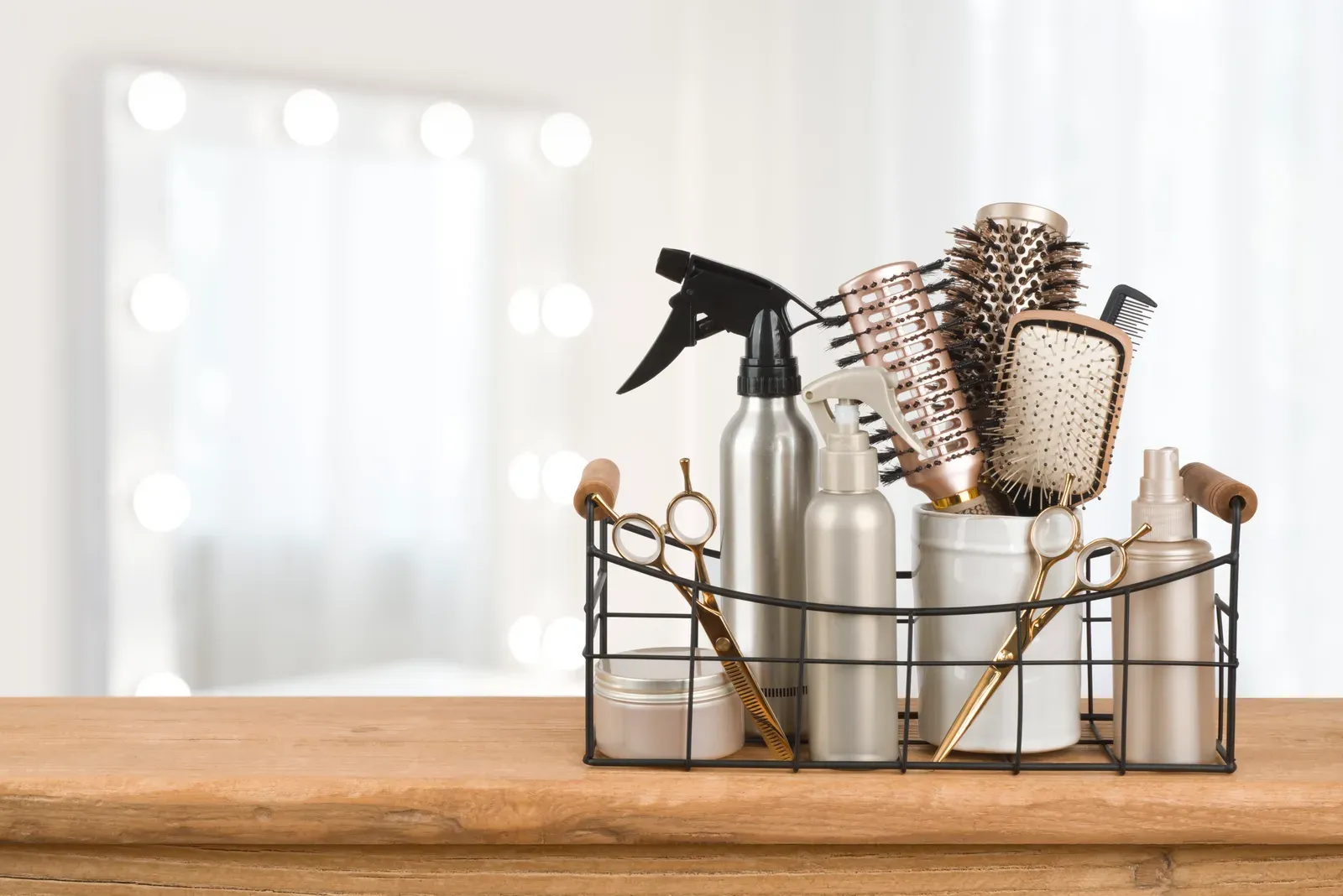
How thinning shears work
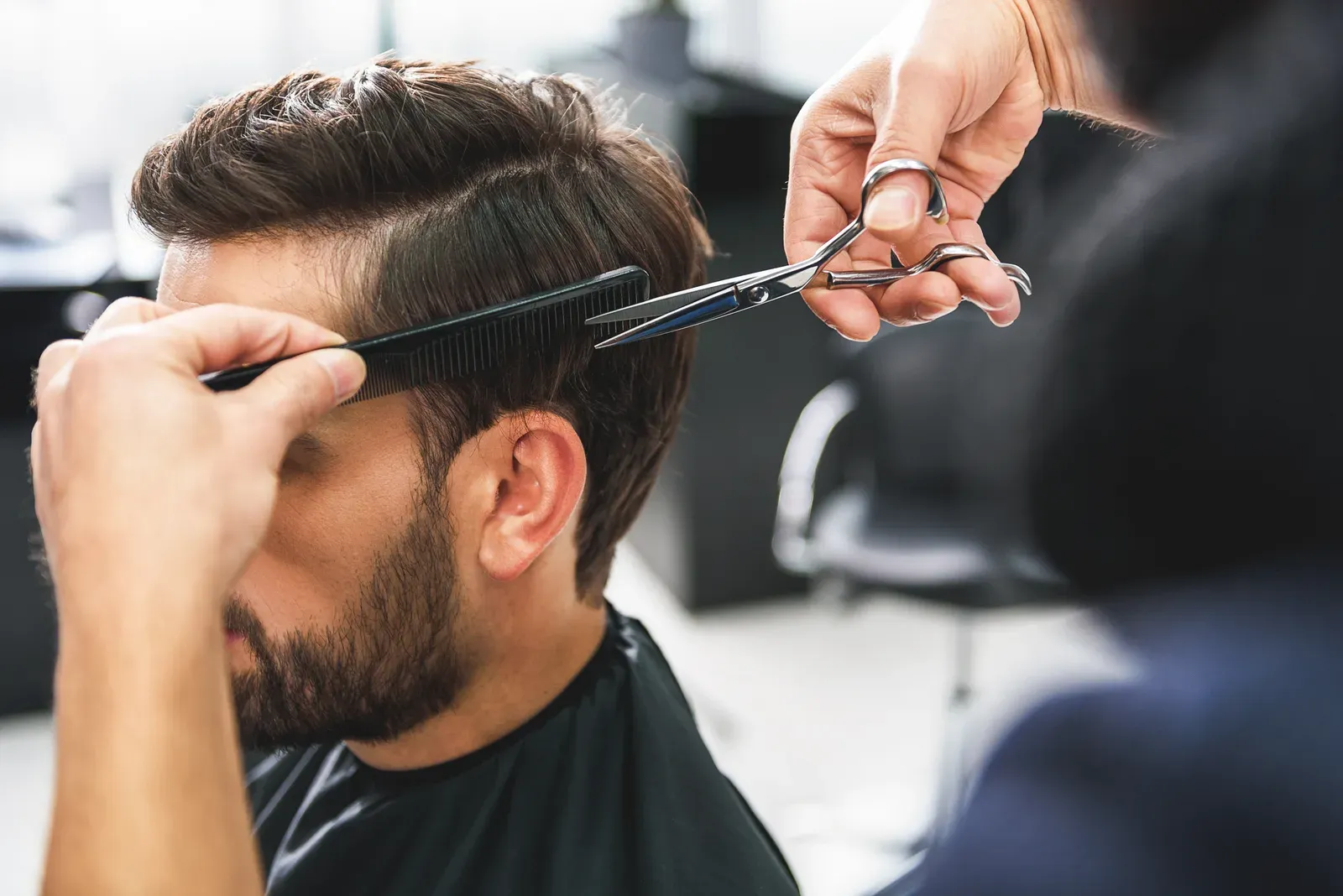
Thinning shears only cut the hairs that land between their teeth, so each close removes a fraction of the section rather than all of it. The hairs caught are cut short, the ones in the gaps stay long, and the overall length looks unchanged while the density drops.
How much comes out depends on the tooth count and how the barber uses them. Shears with many fine teeth take a little per cut and blend invisibly; fewer, wider teeth take more. Where the cut is made along the strand matters as much: thinning near the ends softens a blunt edge, while thinning closer to the roots removes the most volume.
When thinning out genuinely helps
It helps when hair is so dense that it will not sit where you want it, no matter the cut. That is common with thick, straight hair, including many East Asian and some European hair types, where a short cut can stand straight up or bulge above the ears like a mushroom.
- Hair that puffs out at the sides above a fade and looks wider than the head.
- A dense crown that sticks up however you style it.
- Thick hair that takes forever to dry and flattens under its own weight when long.
- Heavy, blunt ends on a longer cut that need softening before they are shaped.
Why it can make curly or fine hair worse
On curly hair, thinning creates lots of shorter hairs tucked among the longer ones. Short curls spring up faster and do not clump with their neighbours, so the result is often a halo of frizz and less defined curl pattern. Curly hair is usually better shaped by cutting whole curls, which keeps each ringlet intact.
On fine hair, the problem is the opposite: there is not much bulk to remove in the first place. Thinning it leaves the hair looking wispy, the scalp more visible and the ends see-through. If you have fine hair and want it to look fuller, you actually want blunter ends, not fewer hairs. Our guides to haircuts for curly hair and haircuts for thin hair go into better options.
Thinning, texturizing and taking the sides down: which do you need?
People often ask to have their hair thinned when what they really want is something else. It is worth pausing on which problem you are solving, because the fix changes.
| What bothers you | What usually fixes it |
|---|---|
| The whole head feels heavy and hot | Thinning through the mid-lengths |
| The top looks flat and blocky | Texturizing with point or slide cutting |
| The sides stick out above the ears | A shorter guard or a fade on the sides |
| Curls are too big and triangular | Shaping the outline curl by curl, not thinning |
| Hair will not hold a style | Often the product, not the cut |
What happens as thinned hair grows out
Thinned hair can grow out unevenly, because the short hairs created by the shears keep growing alongside the longer ones. For a few weeks they are hidden underneath; later they reach mid-length and can stick out through the top layer, especially on straight hair.
That is not a reason to avoid thinning, only to do it with restraint and to keep regular cuts. Heavy thinning at every visit, particularly near the roots, builds up layers of short hair that make the cut harder to control. A good barber thins a little, checks, and stops early.
How we approach it at Markcutit
We do not thin by default. In the consultation we look at density, texture and how you wear your hair, then decide whether bulk removal, texture work or a change on the sides will get you the shape you want. If thinning is the answer, it is done with scissors as part of a Haircut Only.
If you have been told your hair is "too thick for a fade", it rarely is; the sides can be taken short and the top debulked to balance. Book through our scissor cuts service or read more about texturizing first.
What does thinning out hair mean: common questions
Does thinning shears damage hair?
Used properly, they cut hair cleanly like any scissors. Dull or poor-quality shears can crush the ends, which leads to split ends and frizz.
Can I ask for no thinning shears?
Yes, and many curly-haired clients should. Just say so at the start, and the barber will shape with regular scissors or clippers instead.
Will thinning my hair make it cooler in summer?
It can make very thick hair feel lighter and dry faster, which helps in humid weather. A shorter overall cut usually makes a bigger difference; see summer haircuts.