
Face Shape & Hair Type Guides
Haircuts for Thick Hair: Removing Bulk Without the Puff
Short answer: The best haircuts for thick hair remove bulk from the sides and the underneath layers while keeping the top dense enough to hold shape. A fade or undercut stops the sides pushing outward, and texturising on top with point cutting or thinning shears lets the hair move instead of sitting like a helmet. Styles that need density, such as pompadours, quiffs, slick backs and two-block cuts, suit thick hair best.
Why thick hair puffs out after a haircut
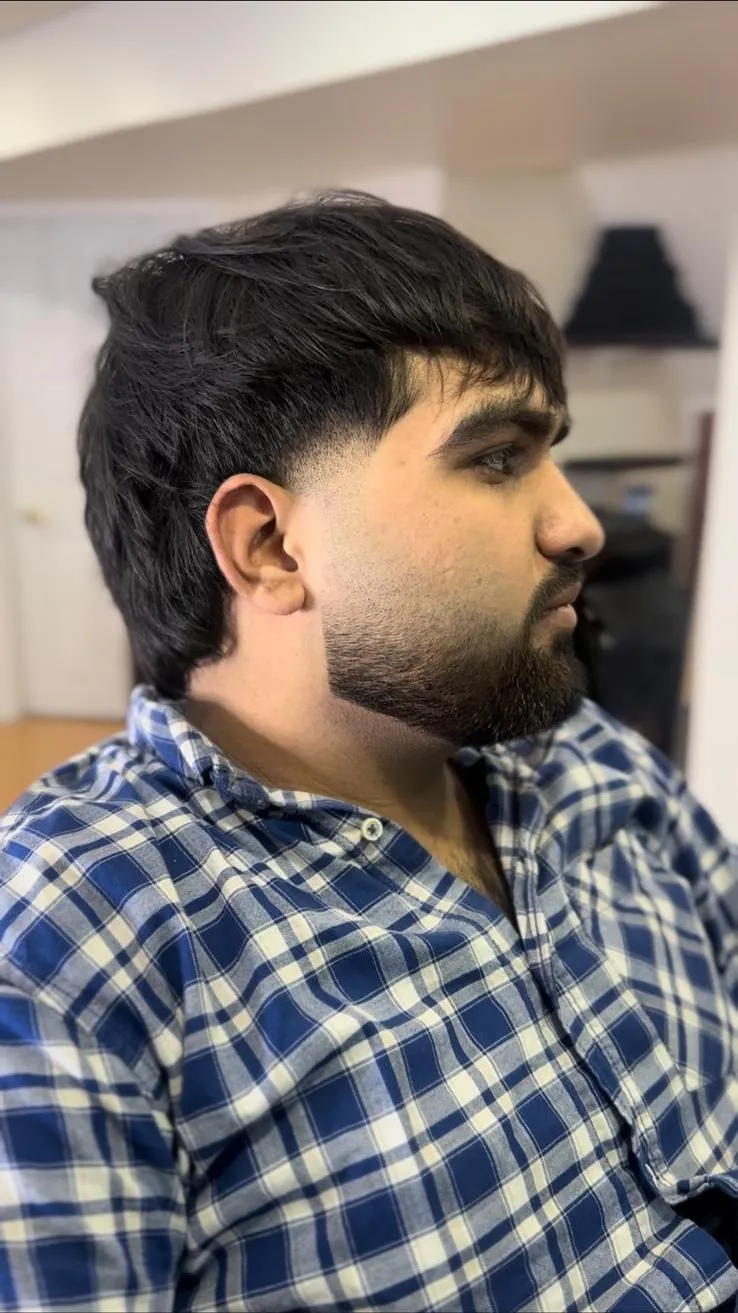
Thick hair puffs because many strands packed closely together hold each other up, so as the hair grows the sides and crown stand away from the head instead of lying flat. The effect is worst above the ears and at the back, where hair grows outward before it grows down.
Density and strand thickness are separate things. You can have lots of fine hairs, or fewer coarse ones, and both feel thick. Coarse and dense together is the combination that puffs fastest, often within two weeks of a cut that looked right on the day.
Fades and undercuts take the weight off the sides
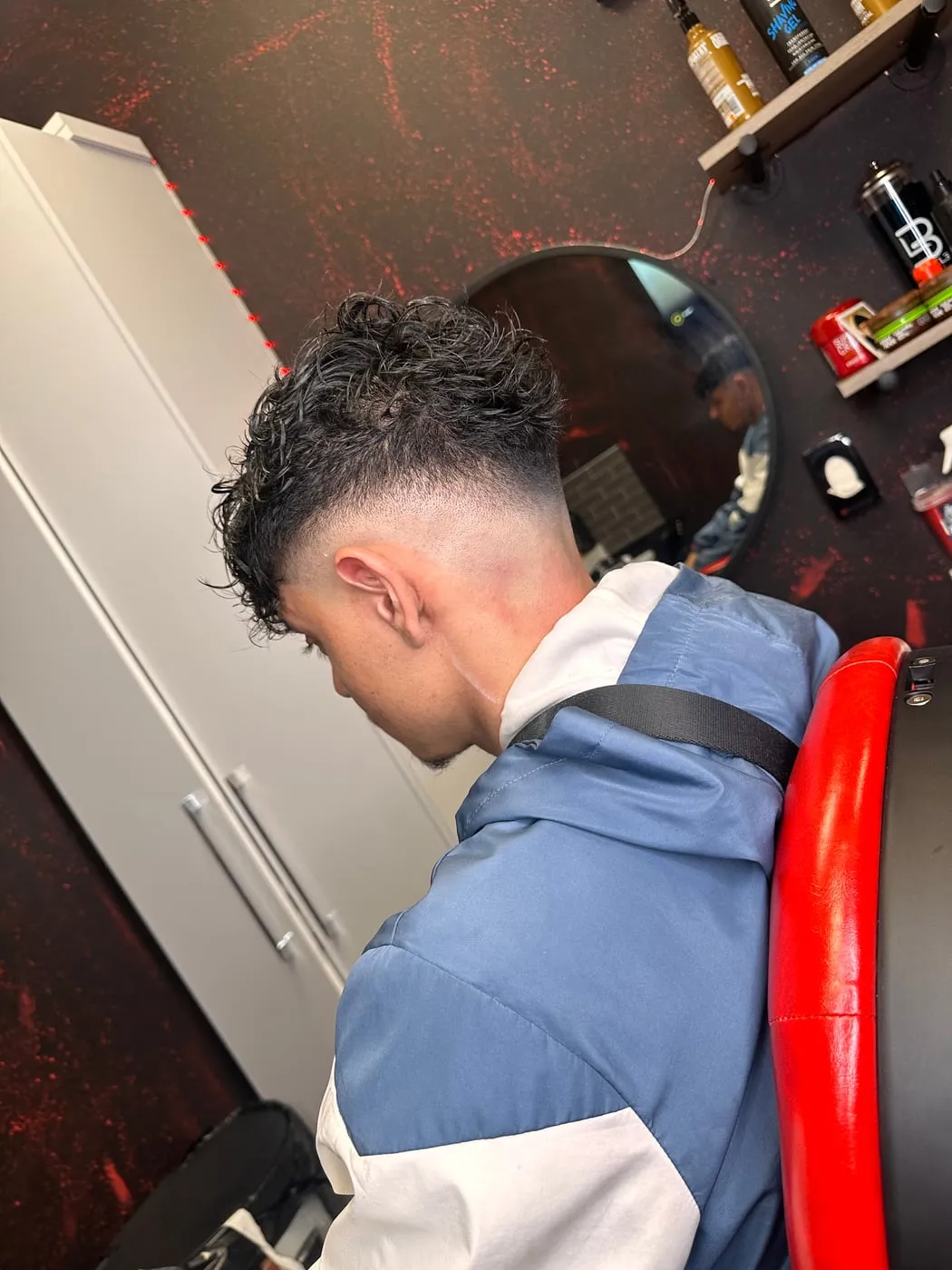
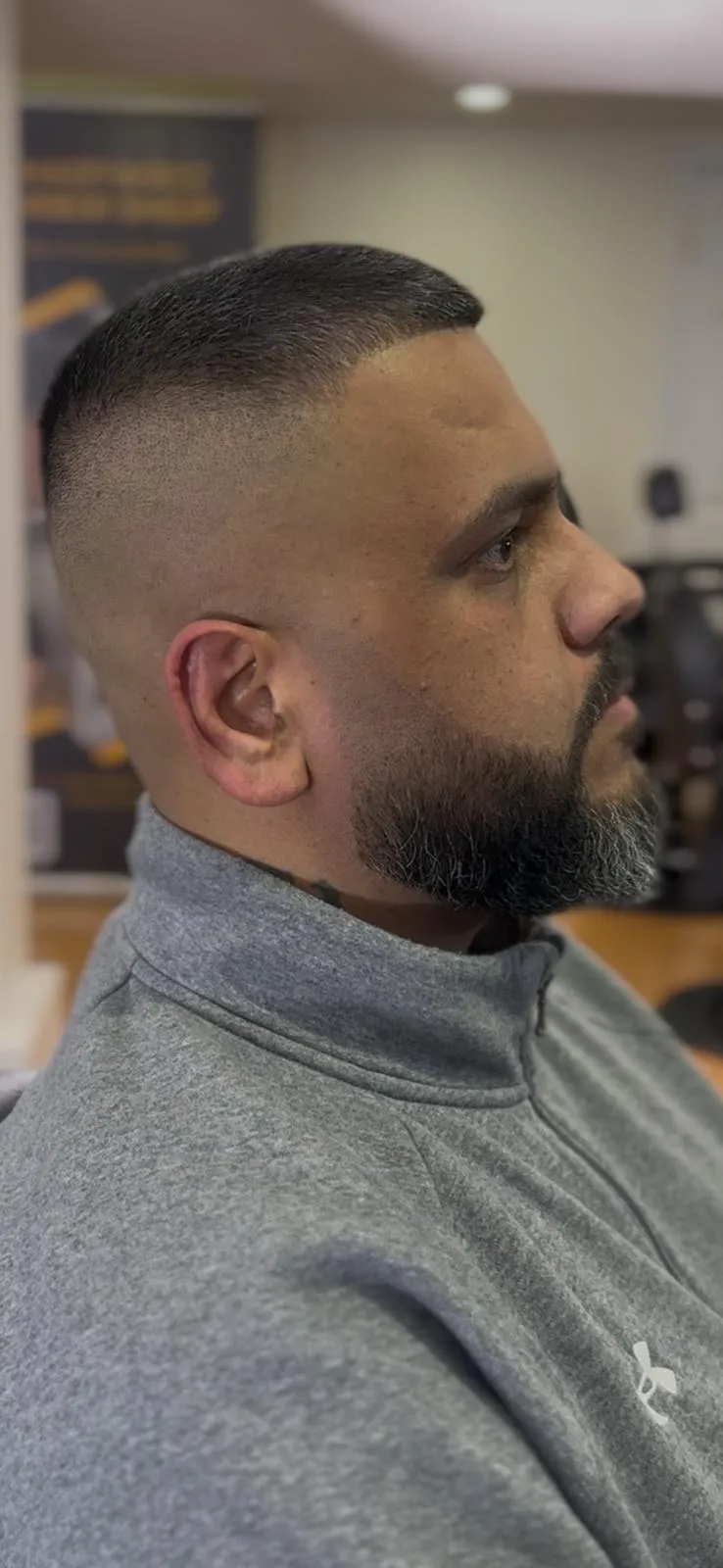
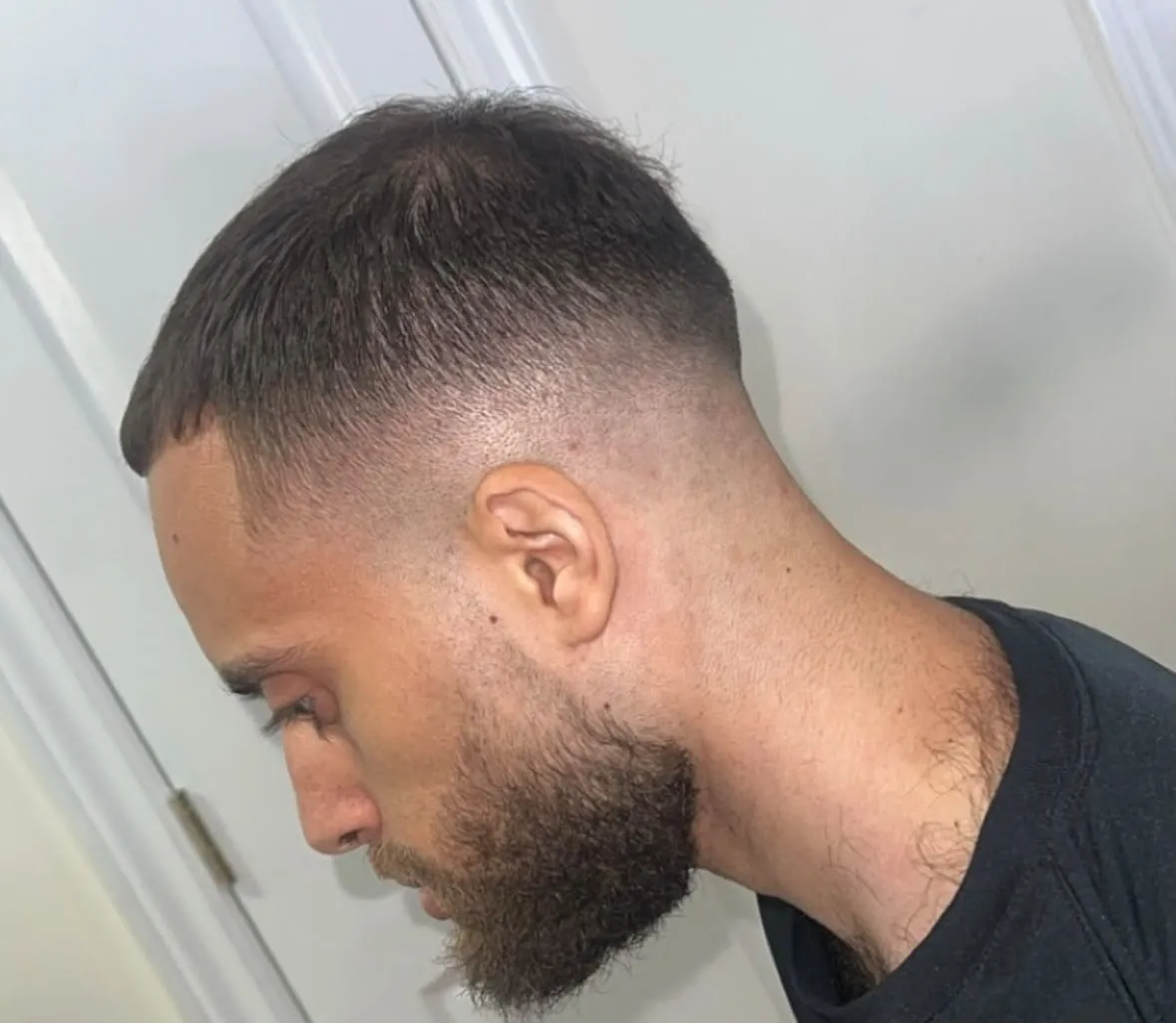
Taking the sides short is the most direct way to stop thick hair widening the head. Once the hair above the ears is too short to stand out, the shape stays close to the head for weeks longer.
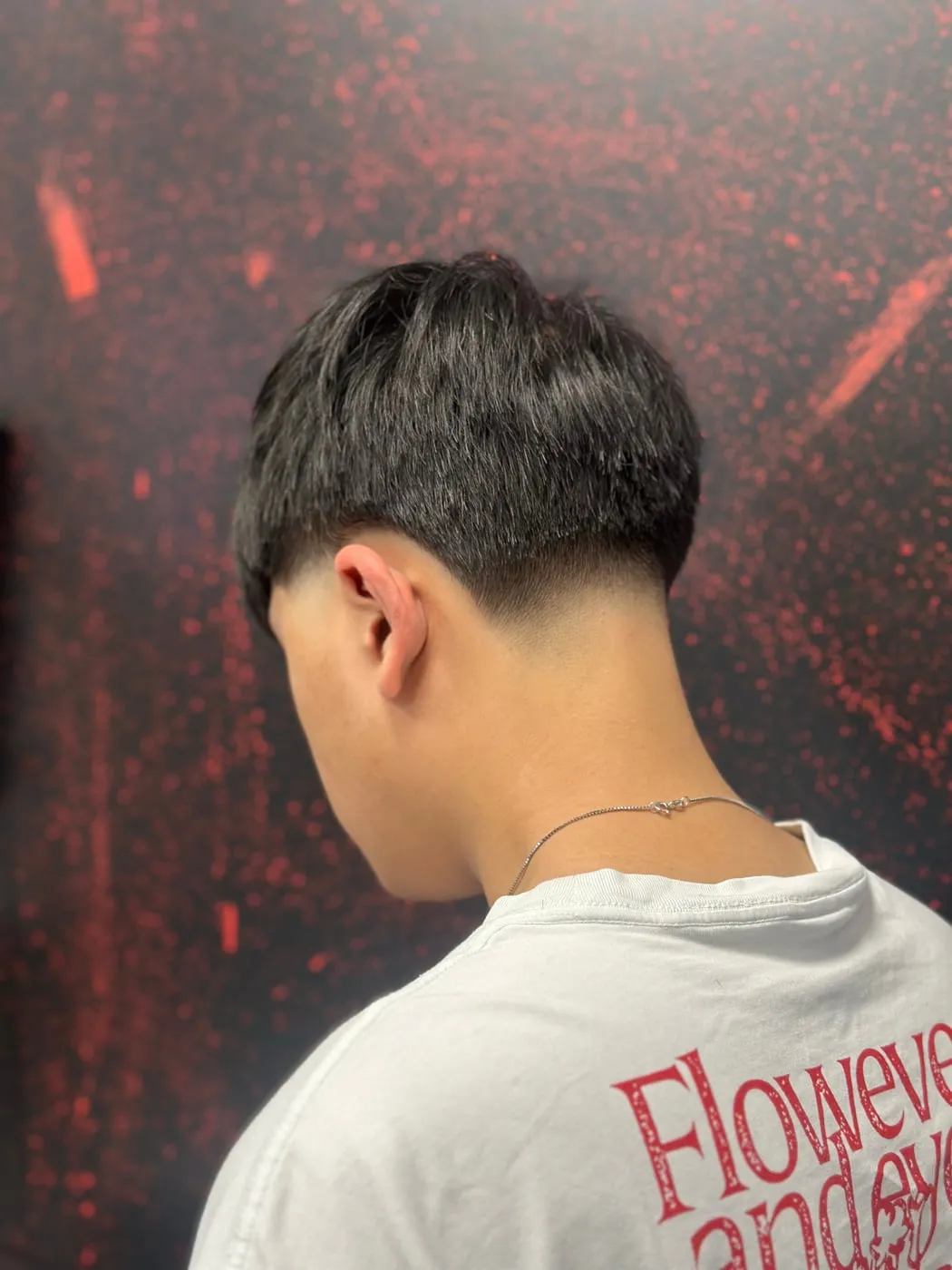
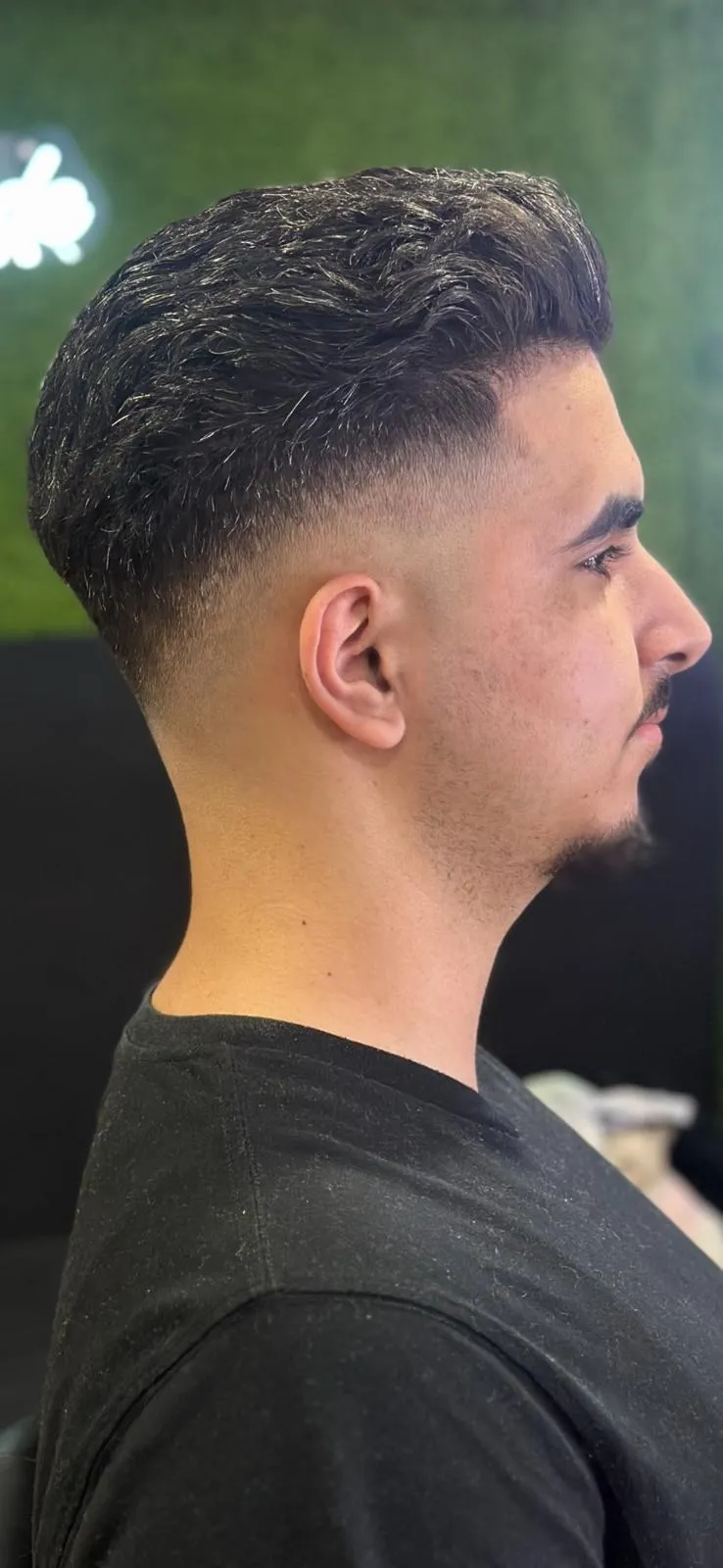
A mid skin fade or taper fade works for most clients. If you want length on top that drapes over short sides, an undercut or a two-block haircut disconnects the two lengths, which removes a huge amount of weight without making the top look thin.
If you prefer scissor-length sides, ask for them cut close with clipper-over-comb and the bulk thinned from underneath. That keeps a softer look while controlling the puff.
How barbers remove bulk on top without making it frizzy
On top, the goal is to take out weight from inside the hair while leaving the outer layer intact, so the surface still looks full and smooth. Different techniques suit different lengths and textures.
The mistake to avoid is over-thinning. Taking too much from near the root creates short hairs that stick up through the top layer, which makes thick hair look frizzy and fluffy rather than lighter. We explain the difference in more detail in what thinning out hair means.
- Point cutting: snipping into the ends vertically to break up solid edges on short and medium tops.
- Slide cutting: sliding open scissors down a section to remove weight gradually through the length, useful on longer hair.
- Thinning shears: toothed scissors that take out a percentage of hair from a section; best used mid-length to ends, not at the root.
- Channel cutting: removing hair in narrow lines within the top so it collapses and moves more easily, useful for very dense crowns.
- Cutting shorter underneath: leaving the top layer longer than the layers below it so the shape sits closer to the head.
Styles that make the most of thick hair
Thick hair is an advantage for any style that needs volume or hold, and it lets you wear shapes that simply would not stand up on fine hair. Choose one that works with the weight rather than one that fights it.
- A pompadour, where density supplies the height and the roll holds all day.
- A quiff or slick back with a fade, both of which need enough hair to keep their shape when pushed back.
- A textured crop, heavily point-cut on top so the fringe breaks into chunky pieces.
- A two-block cut or bro flow for longer lengths, with the underneath thinned so it lies down.
- A short crew cut if you want very little styling; density keeps even a short top looking full.
Styling and upkeep for thick hair
Thick hair usually needs a product with real hold, such as a pomade for shine or a strong clay for a matte look, applied to damp or blow-dried hair so it spreads evenly. Light creams and sprays often disappear into dense hair without doing much.
A blow-dryer is the other key tool. Drying in the direction you want the hair to sit trains the roots and stops the top springing up later in the day. Our guide to blow-drying men's hair covers the technique.
Plan on a cut every three to four weeks, even if you are growing it, so the bulk is removed before it starts to push the shape out. Growing thick hair without any maintenance cuts is the usual route to the triangle shape.
What to tell your barber if you have thick hair
Tell us how quickly your hair starts to puff and where. Some clients say it is the sides by week two, others say the crown sticks up no matter what; each points to a different fix.
Mention whether you blow-dry and which product you use, and bring a photo of the finished shape you want. If a previous cut left short spiky bits in the top, say so, because that usually means it was thinned too close to the root.
Haircuts for thick hair: common questions
Should I ask for my thick hair to be thinned?
Ask for bulk to be removed, and let the barber choose the technique. Thinning shears used carelessly near the root can make thick hair look frizzier.
Why does my thick hair look like a triangle when it grows?
The sides and back gain width faster than the top gains length. Shorter sides or a fade, plus regular maintenance cuts, keep the shape from widening at the bottom.
Is a buzz cut good for very thick hair?
It is the easiest option, because density keeps it looking even. Expect it to feel full again quickly, so a buzz on thick hair often needs a tidy-up every two to three weeks.