
Haircut Styles
Undercut: Disconnected Sides, a Long Top and Three Ways to Wear It
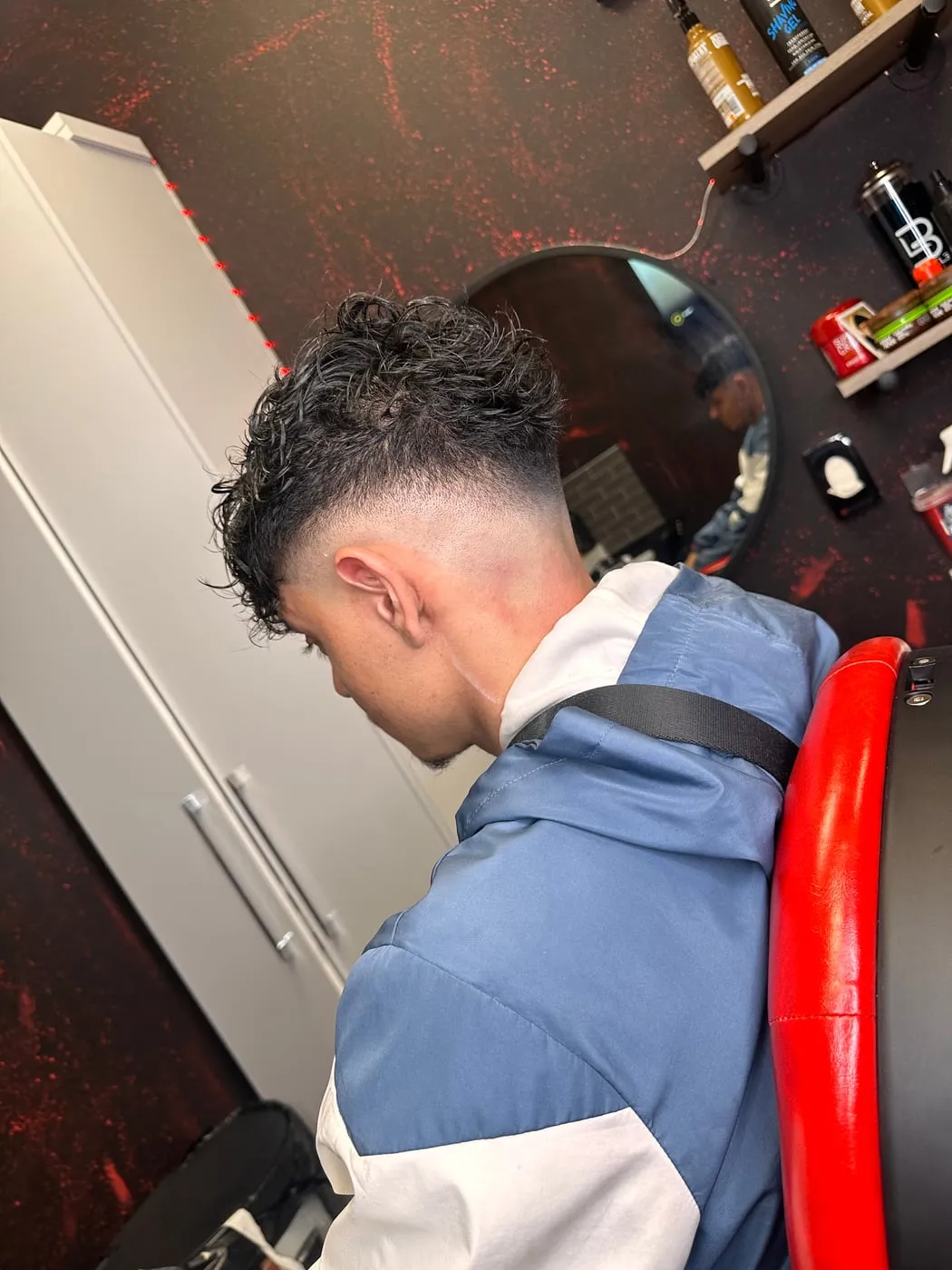
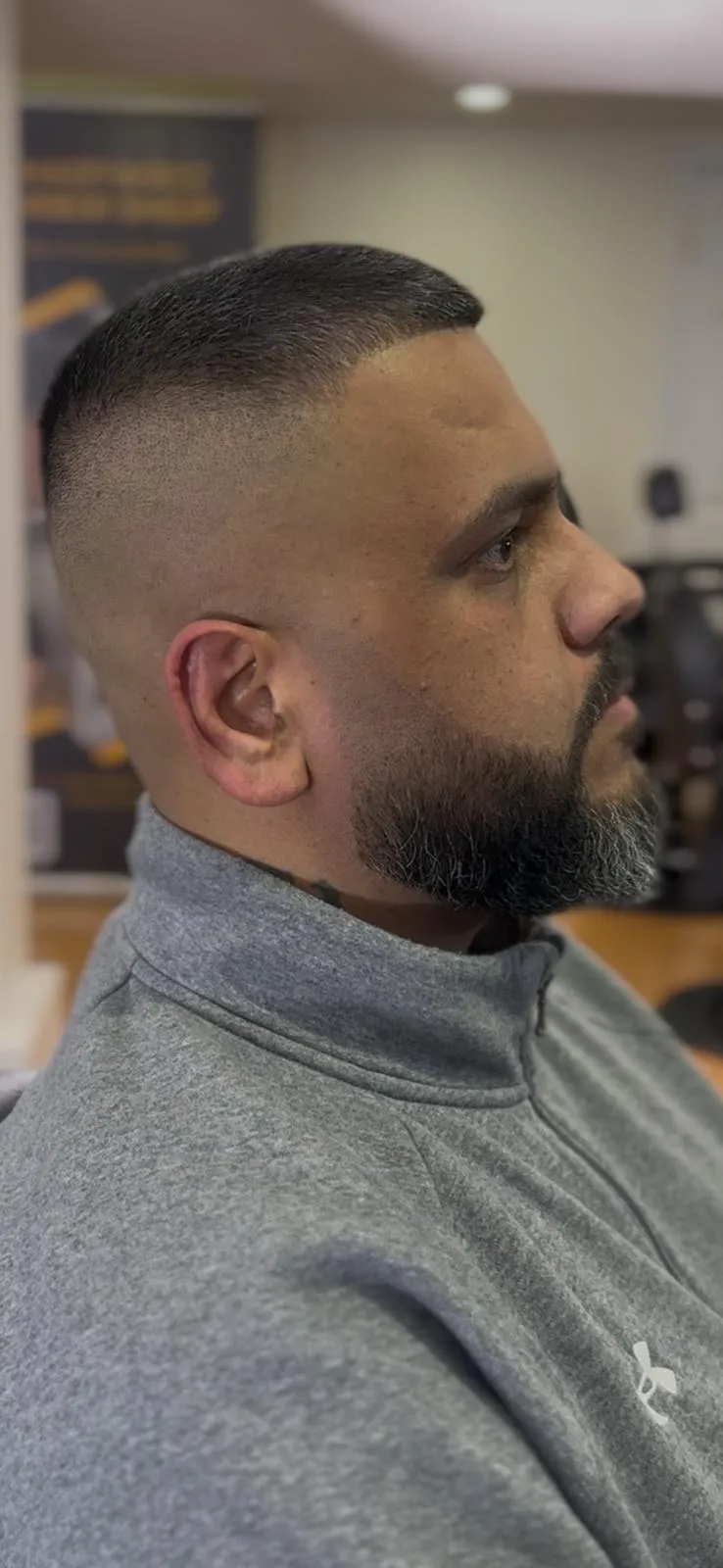
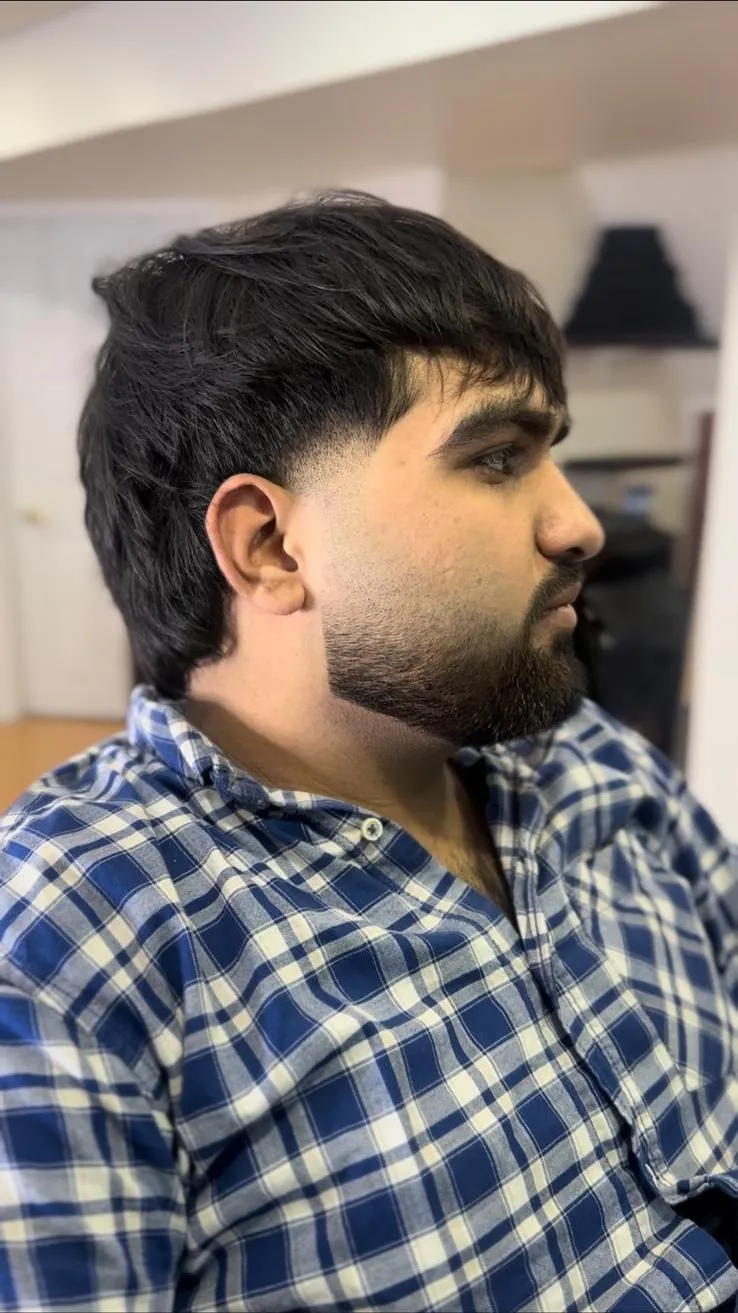
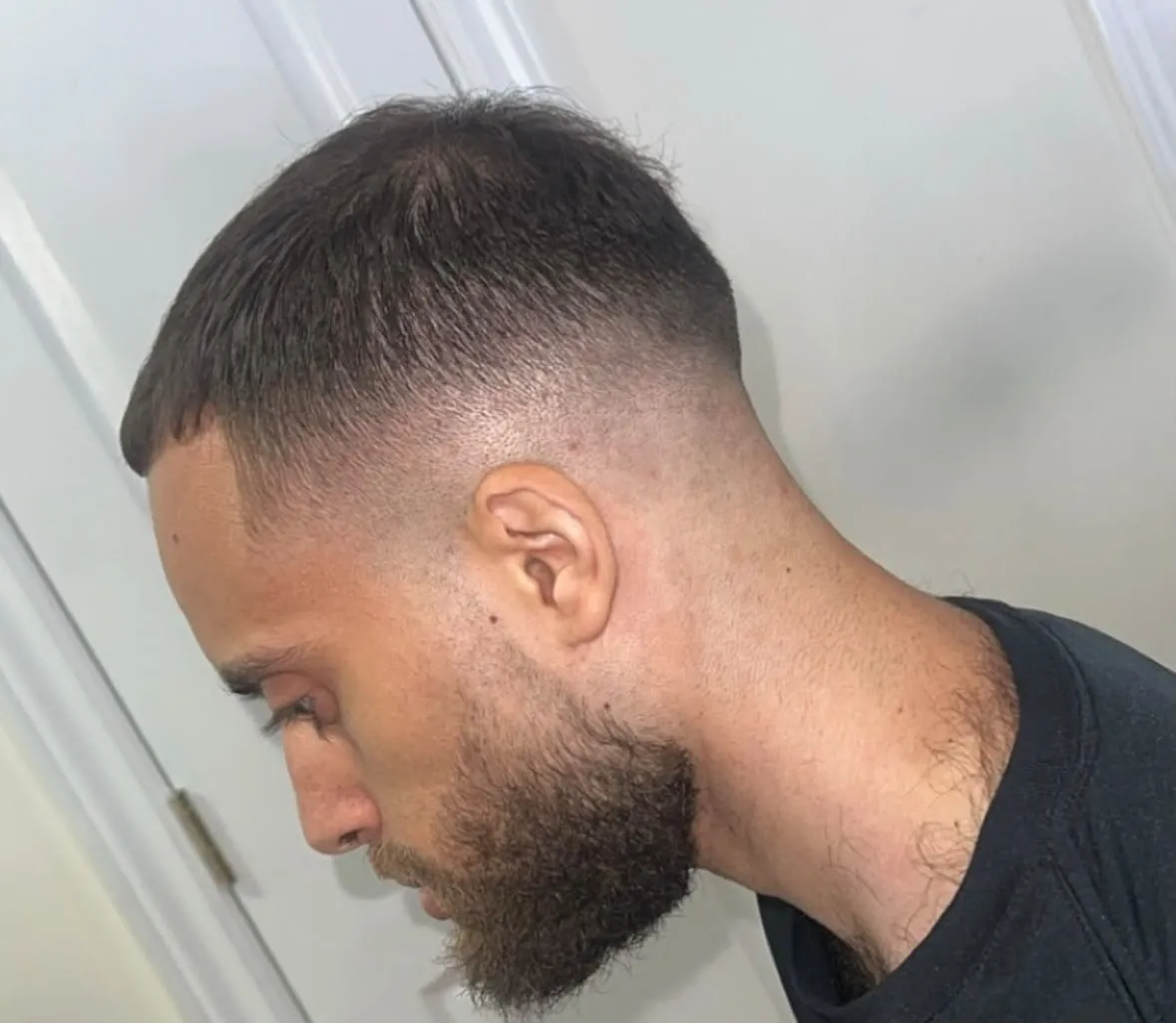
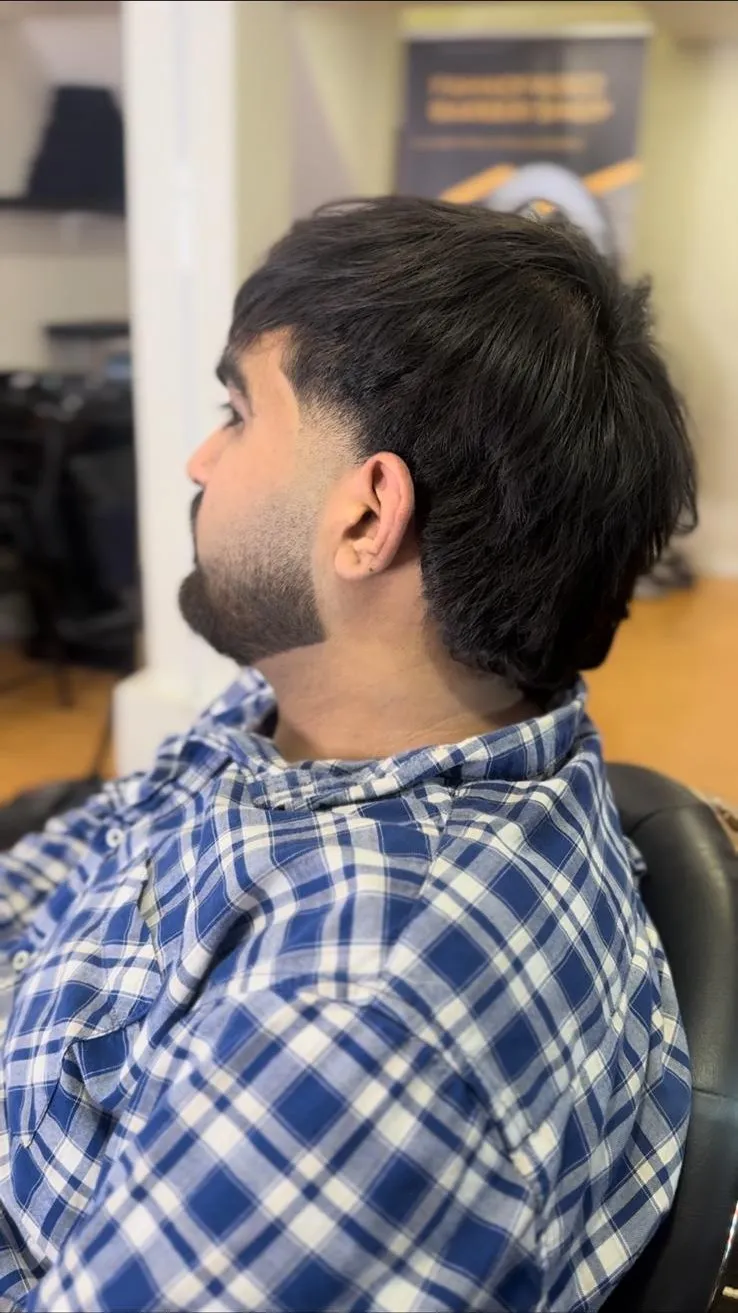
Short answer: An undercut is a haircut where the sides and back are clipped short at one length and the top is left long, with no blending between the two. The result is a sharp disconnection where the long hair falls over the short sides. It can be slicked back, tied up in a knot or worn loose. Unlike a fade, the short part never gradually increases in length.
Undercut vs fade in one line
An undercut cuts the sides to one short length with a hard line where they meet the long top, while a fade blends gradually from short to long so there is no line at all.
That difference changes the whole look. A fade looks clean and graduated; an undercut looks bold and graphic, and the long top has nothing holding it in place, so it falls naturally over the sides. For a deeper comparison, including which grows out better, see our undercut vs fade guide.
Where the disconnection line sits
The line where the short sides stop is the most important decision in an undercut. It is usually placed at or just below the parietal ridge, the widest part of the head where the side starts curving to the top. Placed there, the long hair on top covers the line when it falls down, and the shape looks balanced.
Going higher makes the undercut more dramatic and exposes more of the short sides when the top is slicked back. Going lower gives a subtler look where the short part only shows when you tie the top up. We decide this with you during the consultation based on how you plan to wear the top.
- Low line (just above the ear): subtle, the short sides are mostly hidden.
- Parietal line: the classic, balanced position.
- High line: dramatic, maximum contrast, more of the head is short.
Slicked, tied up or loose: three ways to wear the top
The same undercut gives three distinct looks depending on what you do with the top. That versatility is one of its biggest selling points.
- Slicked back: the most common. Comb the top straight back with pomade for a sharp, 1930s-inspired look. Needs about 10 to 15 cm. Our slick back page covers the comb routine.
- Tied up: with 15 cm or more, the top can be gathered into a knot at the crown. The short sides keep it looking tidy rather than unkempt. See the man bun page for tying tips.
- Loose: let the top fall naturally, parted or pushed to one side. The long hair drapes over the short sides for a relaxed, slightly grungy look that suits wavy hair.
How we cut an undercut
An undercut is more technical than it looks, because a clean, even line with no blending exposes every mistake. At Markcutit we section the top first, clipping it out of the way so we can see exactly where the line sits.
- Section the top off along the line agreed during the consultation.
- Clip the sides and back to the chosen length, usually a No. 1 to No. 3 guard.
- Refine the line so it is even on both sides and follows the head shape at the back.
- Let the top down and cut the length and shape with scissors.
- Line up around the ears and neck with a razor, then the hot towel, wash and head massage.
Growing out an undercut
Growing out an undercut takes patience, because the short sides need to catch up to a long top. There will be a stage, around two to four months in, where the sides stick out and the shape looks unbalanced.
The way through is to keep trimming the top slightly and gradually blend the sides into it rather than letting them grow freely. In practice, this means converting the undercut into a fade or taper over several visits. After that the sides can keep growing. With hair growing about 1.25 cm a month, getting sides from a No. 2 to a length that covers the ears takes roughly eight months. Our guide to growing out your hair gives more timelines.
Undercut: common questions
Is an undercut still in style?
Yes, particularly slicked back or tied up. The very high, shaved undercuts are less common now, and many people prefer a lower line.
Can you get an undercut with curly hair?
Yes. Curly hair looks great falling over short sides. Keep the top long enough for the curls to form, usually at least 10 cm.
Should I get a fade or an undercut?
A fade is more versatile and grows out better. An undercut makes a stronger statement and works best if you want to wear the top long.
How often do I need to cut an undercut?
The sides every two to three weeks to keep the contrast sharp. The top only needs a trim every six to eight weeks.