
Hair & Beard Care
How to Avoid Hat Hair Through an Ontario Winter
Short answer: To avoid hat hair, make sure your hair is completely dry before any hat goes on, choose a looser toque or a hat with a silk or satin lining, and style with a reworkable product like texture powder or a light clay. Carry a small comb and a bit of water or product to reset. Shorter cuts, with the sides tight and a textured top, recover from a toque the fastest.

Why hats flatten hair
Hats flatten hair because they press on it while it is warm and slightly damp, which sets it in the pressed shape. Heat and moisture from your head build up under a toque, and hair sets as it cools and dries, just as it does under a blow dryer.
Static adds to the problem. Wool and synthetic knits rub against dry winter hair and leave it lifted, clinging and hard to smooth when the hat comes off. That combination is what makes Ontario toque season hard on any style.
Walking from a warm house to a cold car to a heated office compounds it. Hair goes through several cycles of warming under the toque and cooling outside, and each cycle sets the dent a little deeper.
How to avoid hat hair, step by step
The routine starts before the hat goes on. Most of the prevention happens at home in the morning.
If you are rushing out the door with a wet head on a January morning, spend the extra two minutes with the dryer. Beyond hat hair, damp hair in freezing air feels unpleasant and can stiffen, and any dents set hard.
- Dry your hair completely. Damp hair under a hat is the single biggest cause of dents and flat spots.
- Style with a reworkable, matte product such as texture powder or a light clay, not gel or strong-hold spray.
- Put the hat on loosely, sitting a little further back on the head, rather than pulling it down hard over the front.
- When you take the hat off, flip your head forward and rough up the roots with your fingertips for ten seconds.
- Reshape with your fingers or a pocket comb. If needed, wet your fingertips slightly and rework the product.
- Keep a small comb and a travel-size product at work or in your bag for a quick reset.
Which hats cause the least damage
Looser hats and smooth linings cause the least hat hair. A snug, thin-knit toque pressed down over the forehead does the most.
- Slouchier toques with room at the crown press on the hair less.
- Hats lined with silk or satin reduce friction and static.
- Wide-brimmed or structured hats sit above the hair rather than on it.
- Hoods over a loose toque spread the pressure.
- Very tight synthetic knits cause the most static and flattening.
Products that survive a toque
Reworkable products survive a toque because they soften and reset when you rub them. Texture powder is the best example: rub the roots after the hat comes off and the grip comes straight back.
A light matte clay also works, since a little moisture from your fingertips lets you reshape it. Gel and hard-hold sprays are the worst choices: once dented, they stay dented until you wash. For the clay method, see our guide to how to use hair clay.
Avoid heavy oil-based pomade in toque season. It transfers onto the inside of the hat, the knit presses it into a flat mat, and the lining of your favourite toque ends up greasy by February.
Haircuts that survive winter hats
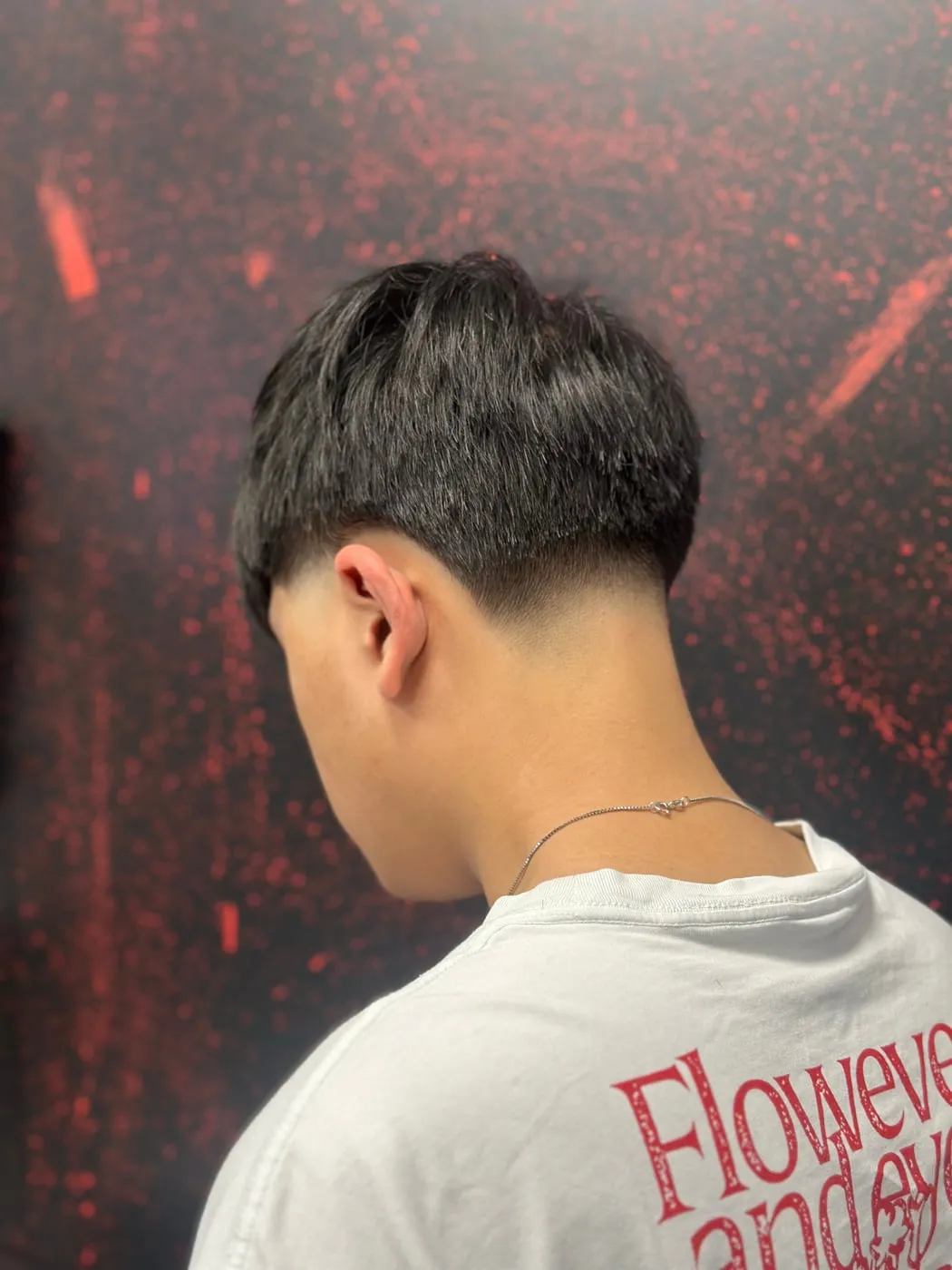
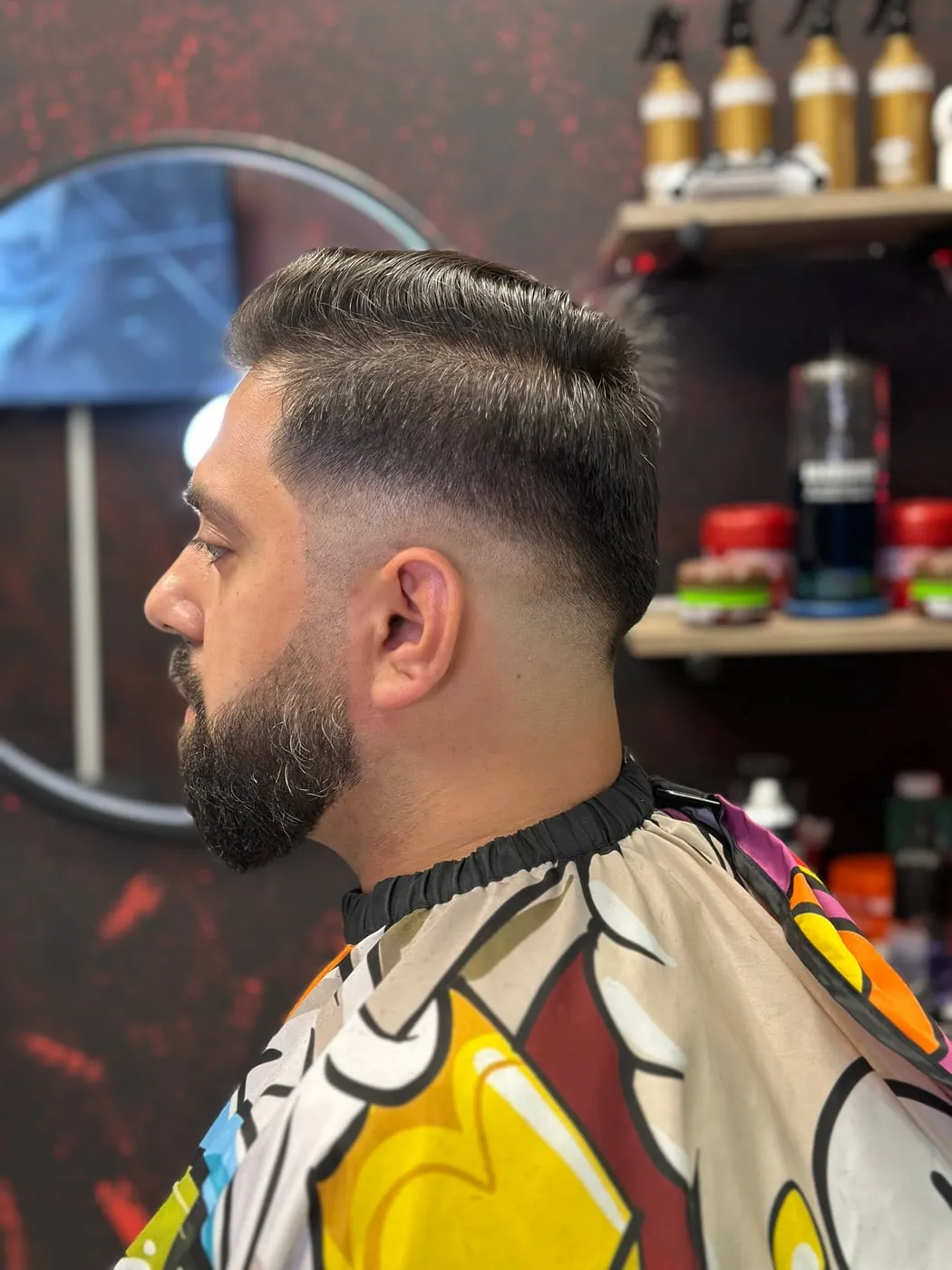
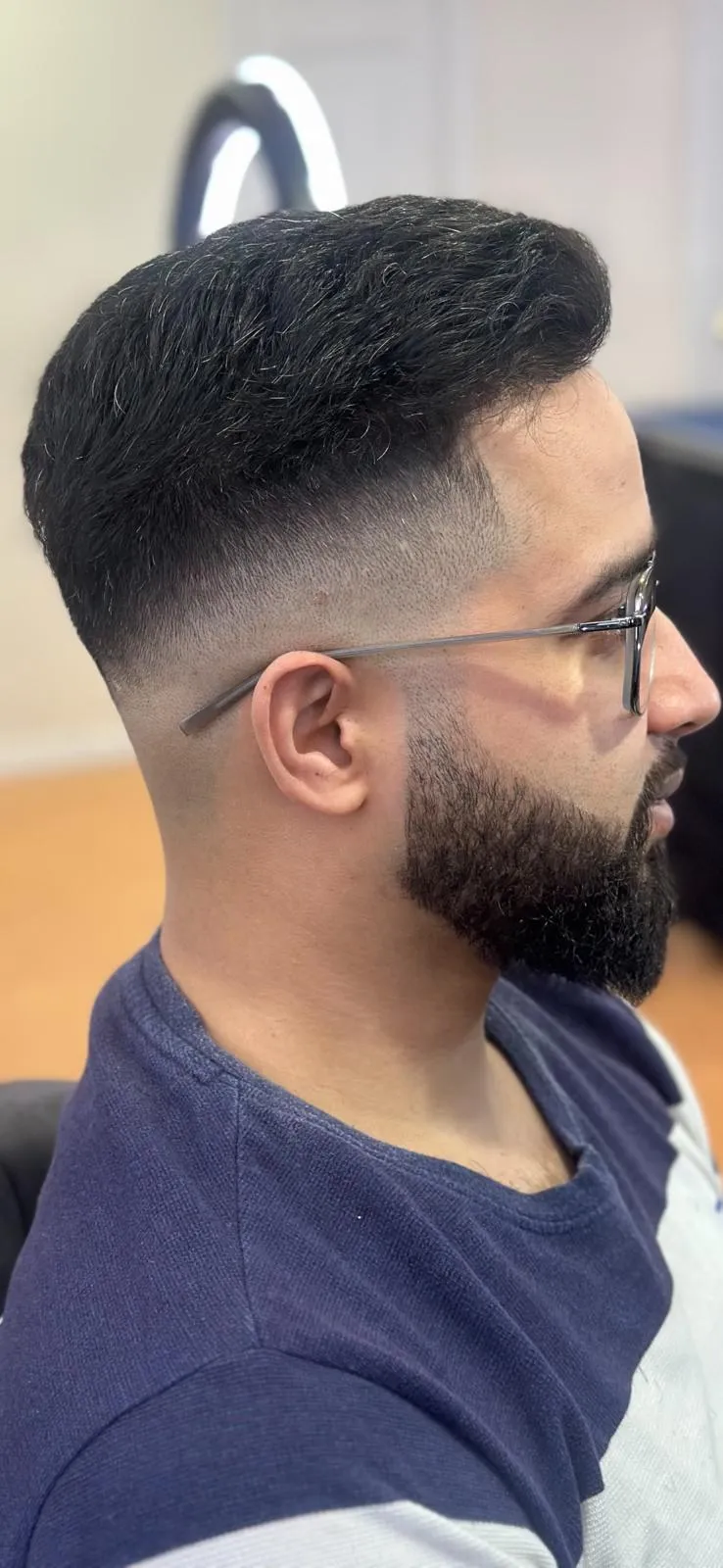
Shorter cuts with tight sides and a textured top survive hats best because there is less length to crush and the texture hides small dents. A textured crop, a short crew cut or anything over a fade bounces back quickly.
Taller styles like pompadours and big quiffs have the hardest time, and slick backs dent easily too. If you want to keep a longer style through winter, plan on a quick restyle at work. Our guide to winter haircuts for men covers more options for the cold months.
How to avoid hat hair: common questions
Does wearing a hat cause hair loss?
Normal hat wearing does not cause hair loss. Very tight hats worn constantly can cause friction, but ordinary toques are not a concern.
How do I get rid of static after a toque?
Lightly dampen your palms and smooth them over the hair, or rub in a tiny amount of leave-in conditioner or a light oil.
Should I skip styling in winter?
Not necessarily. Use a lighter, reworkable product and plan a quick reset after taking the hat off.
Can a cut stop hat hair completely?
No cut stops it completely, but short, textured styles recover in seconds. Mention toque season at your next consultation.
What about a helmet for cycling or hockey?
The same rules apply: dry hair fully, use powder or light clay, and do a quick root rough-up afterward. Short cuts recover best from a full helmet.