
Haircut Styles
Crew Cut: Guard Numbers, Variations and How to Order One
Short answer: A crew cut is a short haircut where the top is left slightly longer at the front, around 2 to 4 cm, and graduates shorter toward the crown, while the sides and back are tapered close with clippers. It has roots in university rowing crews and the military, needs no styling, and is usually ordered with guard numbers such as a No. 2 on the sides.
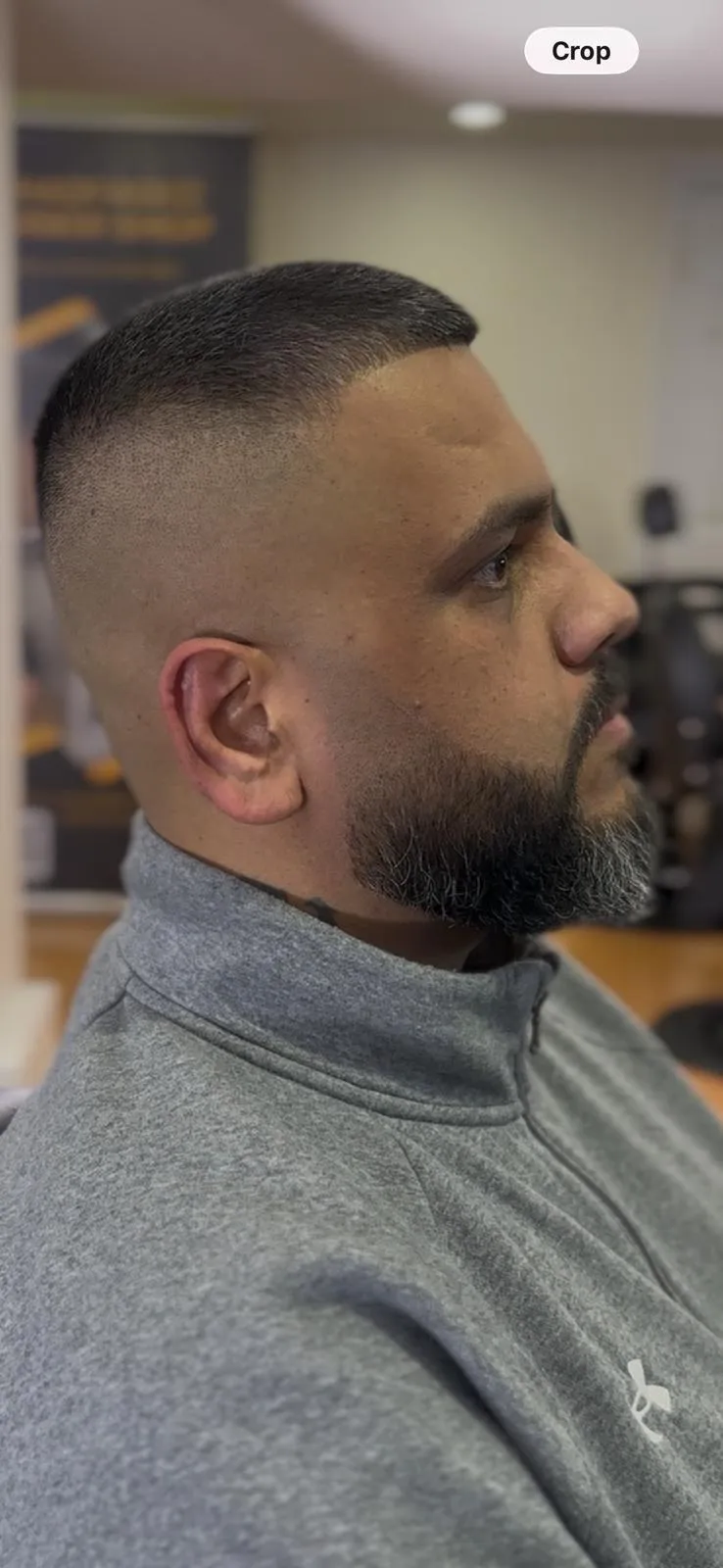
The shape: longest at the front, shortest at the nape
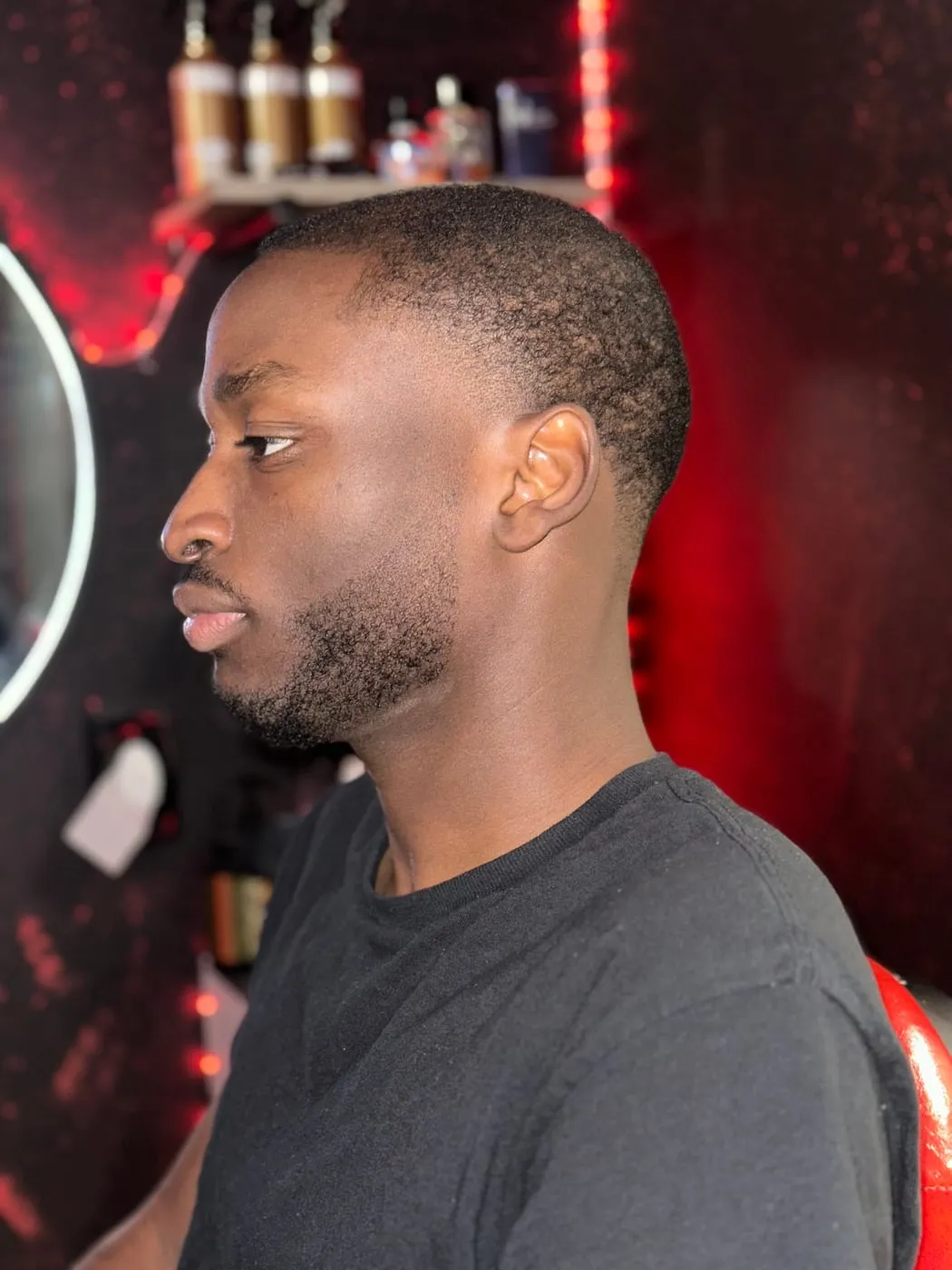
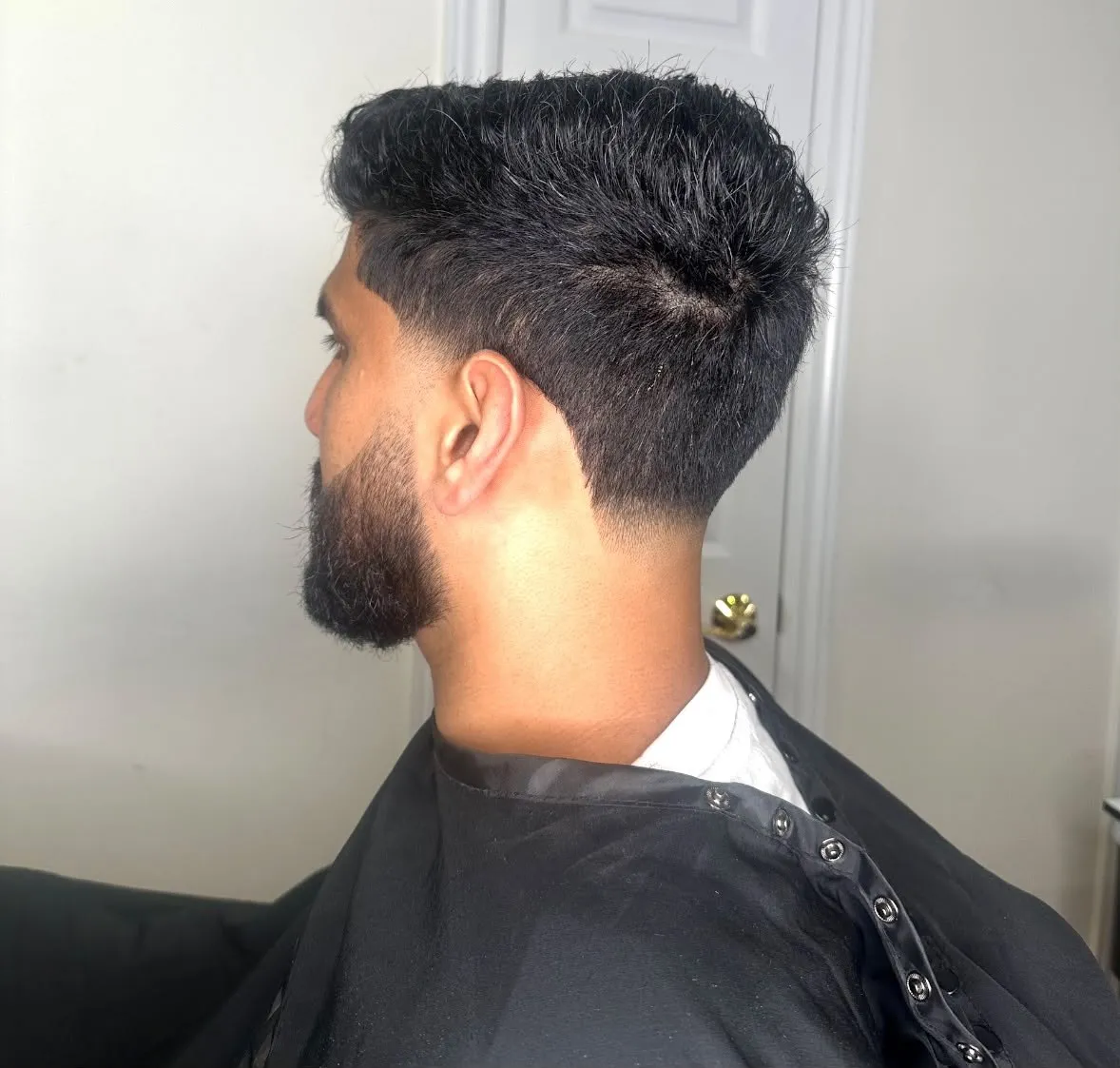
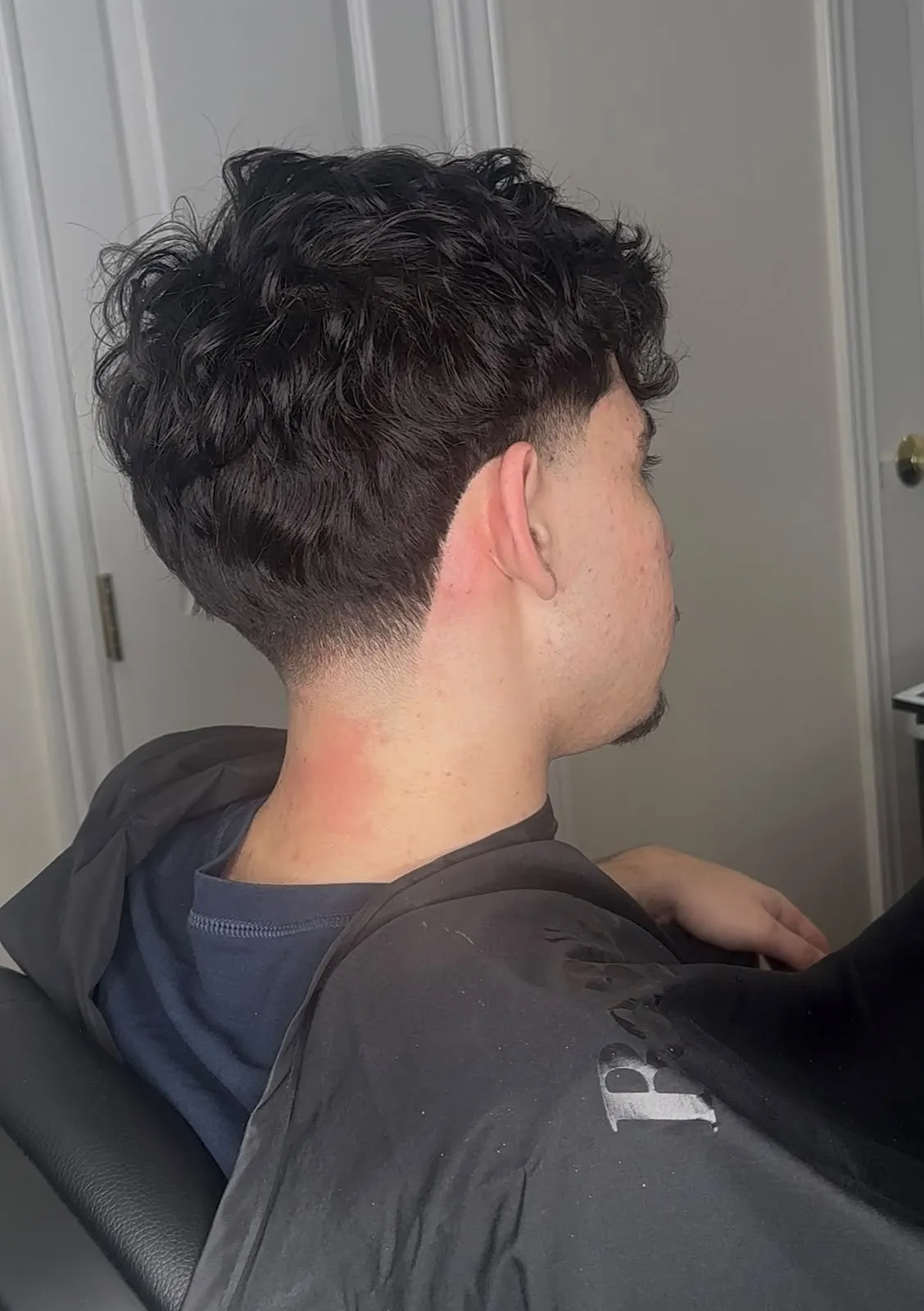
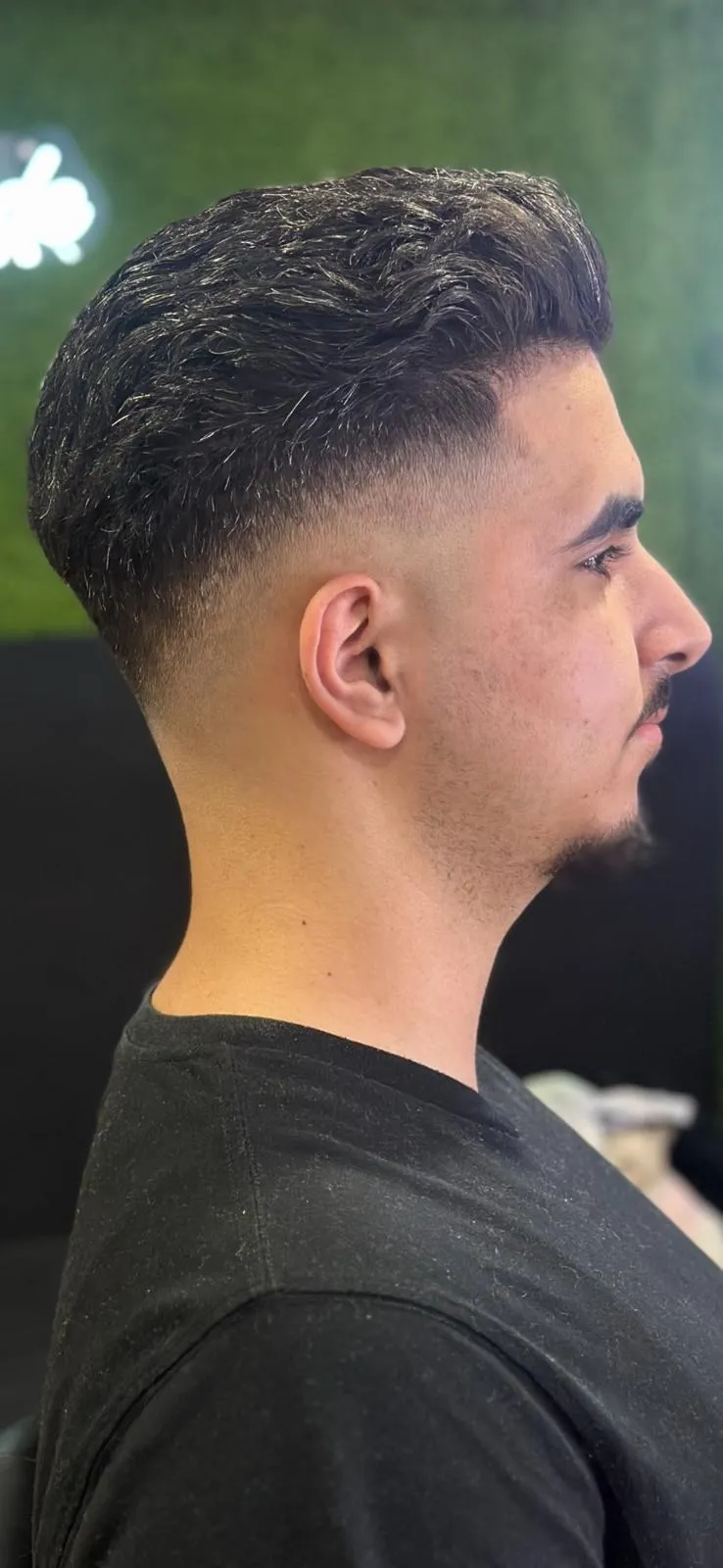
A crew cut is defined by a gradient that runs front to back as well as top to bottom. The front of the top is the longest point, the hair gets gradually shorter toward the crown, and then the sides and back taper down close to the skin at the neckline.
That front-weighted top is what separates it from a buzz cut, where one guard length goes everywhere. The slightly longer front can be pushed up, brushed to the side or left to fall naturally, which gives the crew cut just enough shape to look deliberate.
Where the crew cut comes from
The name traces back to American university rowing crews in the early twentieth century, whose members wore their hair short and practical. It then spread through the armed forces, where a short, uniform, easy-to-inspect cut made sense in the field.
That heritage still shapes how people read it: athletic, disciplined and tidy. It is one of the most common cuts we see on hockey players, runners and anyone who wears a helmet regularly, because there is nothing to flatten and nothing to fix after practice.
The guard numbers barbers typically use
There is no single official recipe, but most crew cuts fall within a predictable range of guard sizes. Use this as a starting vocabulary, then adjust with your barber based on your density and head shape. Our explainer on clipper guard numbers lists every size in millimetres.
| Area | Short crew cut | Classic crew cut | Longer crew cut |
|---|---|---|---|
| Front of top | No. 4 (13 mm) | About 2.5 cm, scissor or No. 8 | 3 to 4 cm, scissor over comb |
| Crown | No. 3 (10 mm) | No. 4 to No. 6 | About 2 cm |
| Sides and back | No. 1 (3 mm) | No. 2 (6 mm) | No. 3 (10 mm) |
| Neckline | Tapered to skin | Tapered with a half guard | Tapered, softer finish |
Taper or fade on the sides?
The traditional crew cut uses a taper: the sides get shorter gradually but never reach bare skin until the very bottom of the neckline. It looks clean and grows out evenly, which is why it held up so well in military settings.
The modern version often swaps that for a skin fade, which creates more contrast between the top and sides. That looks sharper on day one but shows regrowth sooner. If you want the crew cut to stretch four weeks between visits, stick with a taper. Our taper fade service is how most crew cuts are booked at Markcutit.
Who looks best in a crew cut
A crew cut suits oval, square and oblong faces particularly well, because the short sides show off the jaw and the modest top does not add much height. It is also practical for thick, coarse hair that becomes unmanageable when longer.
- Square faces: the classic pairing; the cut emphasises a strong jaw.
- Round faces: keep a bit more length at the front and a higher taper to add some vertical line.
- Thinning at the crown: the shorter crown length makes thinning less visible.
- Prominent ears: ask for a No. 3 on the sides instead of a No. 1 so the ears are framed rather than exposed.
Keeping it sharp between cuts
A crew cut needs almost nothing at home. Wash, towel dry and, if you like, rub a small amount of matte paste through the front to push it up slightly.
The neckline is the first thing to look untidy, usually after about two weeks. Rather than attempting it yourself with a trimmer, book in when the back starts to blur, typically every three to four weeks.
Crew cut: common questions
What is the difference between a crew cut and a buzz cut?
A buzz cut is one clipper length all over, while a crew cut leaves the front of the top longer and tapers the sides. See our buzz cut vs crew cut comparison sets the two side by side.
Is a crew cut the same as a high and tight?
No. A high and tight takes the sides very short, often to skin, much higher up the head and leaves a small patch on top. A crew cut is softer and keeps more length overall.
Can you part a crew cut?
Only if the top is left at the longer end, around 4 cm or more. At that point it becomes an Ivy League haircut.
Does a crew cut suit thin hair?
Yes. Short, even lengths make fine hair look denser because there is no length to separate and expose the scalp.