
Hair & Beard Care
Silk Pillowcase for Hair: What It Really Does for Men
Short answer: A silk pillowcase helps hair by reducing friction while you sleep, so curls stay defined, waves and twists are less disturbed, and short styles wake up less flattened and frizzy. It does not make hair grow, stop hair loss or fix a bad cut. A satin pillowcase, usually polyester woven to be smooth, gives most of the same benefit for less money and easier washing.
Friction is the one thing it genuinely reduces
The real benefit of a silk pillowcase is a smoother surface. Cotton has a rougher weave that grips hair as you shift during the night. Every time you turn over, it drags the hair across the fibres, roughing up the outer layer of each strand and pulling curls out of their pattern.
Silk's tightly woven, smooth surface lets hair slide instead of catching. Less drag means less frizz, less tangling for longer hair, and less of that one-sided flattening at the back or side of the head. That is the whole mechanism, and it is enough to make a visible difference for some hair types.
Who notices the difference and who might not
Textured hair gets the most from a silk pillowcase, because curly and coily patterns lose definition from friction faster than straight hair does. Here is how it plays out by hair and style:
- Curly hair: curls are more likely to survive to day two or three without re-wetting.
- Coily hair and afros: less flattening and less moisture pulled out overnight, though a bonnet or durag still protects the shape better.
- 360 waves: a pillowcase helps as a backup, but a durag holds the pattern far more reliably.
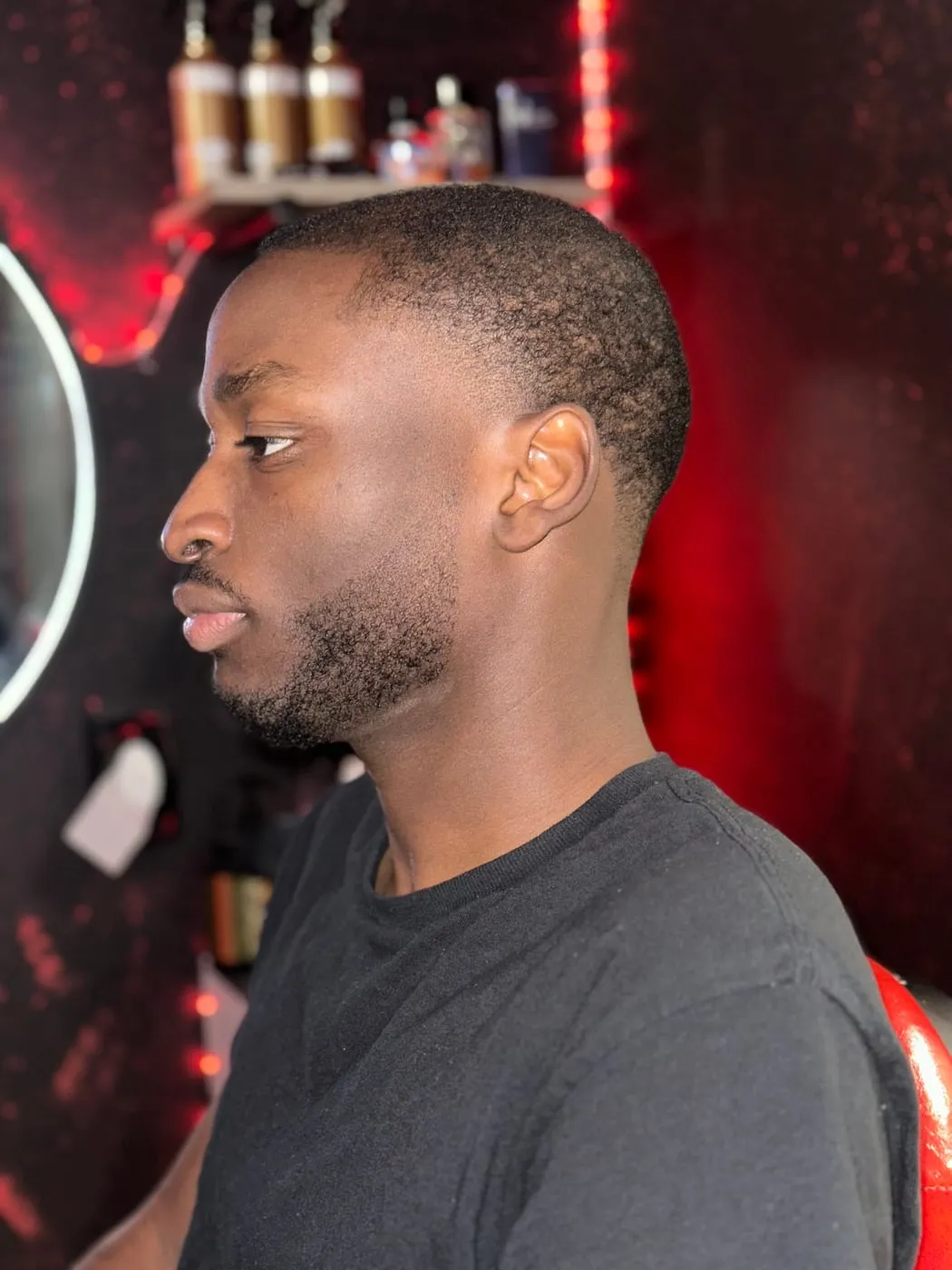
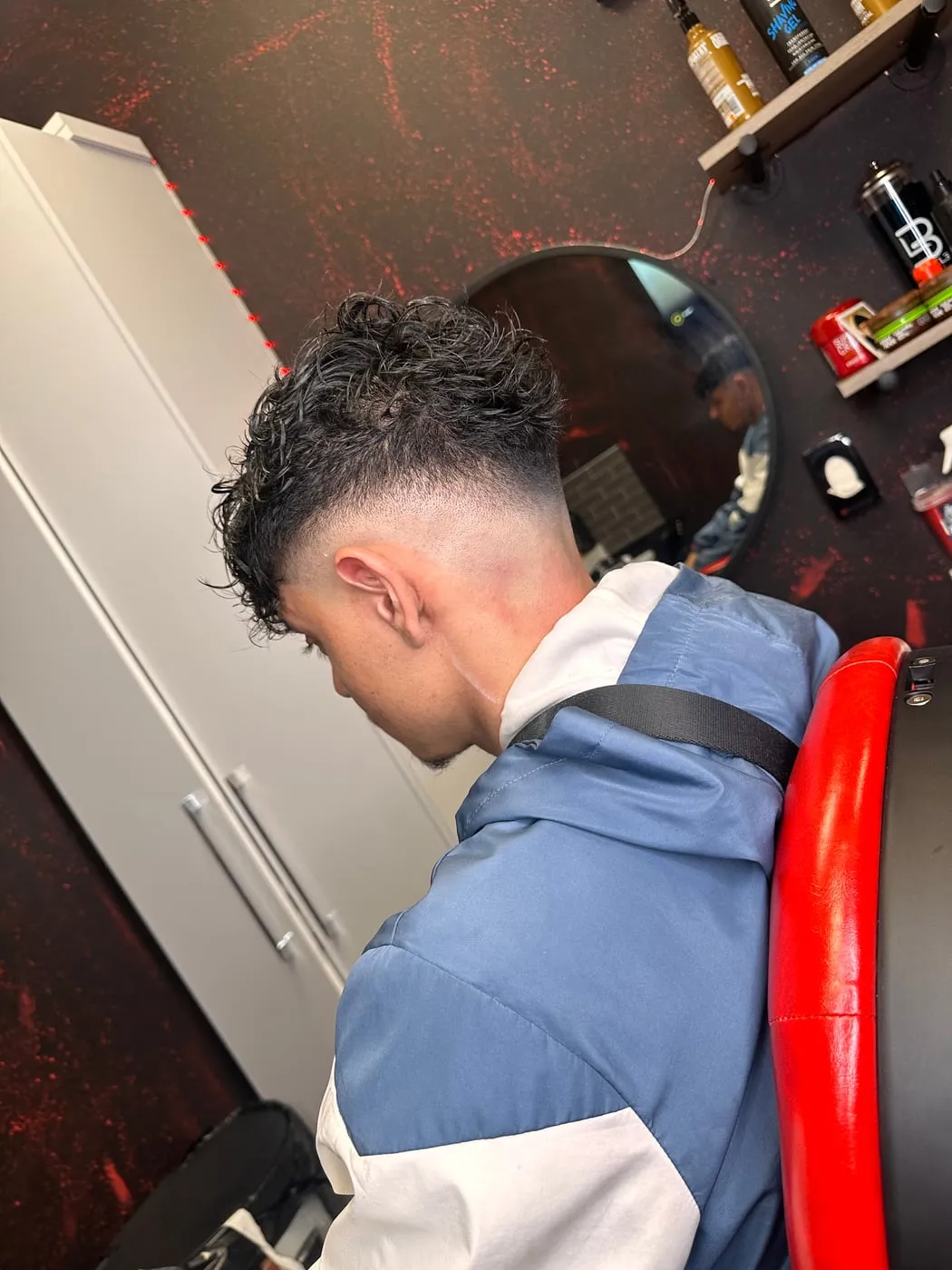
- Fresh fades and lineups: the short hair stays crisp a little longer because it is not rubbed against rough fabric.
- Beards: longer beards tangle and frizz less on the side you sleep on.
- Very short, straight hair: the difference is often small enough that many men will not notice it.
Silk vs satin: which one to buy
Silk is a natural protein fibre; satin is a type of weave, and most satin pillowcases are made from polyester. Both give a smooth surface, which is what hair cares about, so the choice mostly comes down to budget, feel and care.
| Silk | Satin (usually polyester) | |
|---|---|---|
| Surface for hair | Very smooth | Very smooth |
| Feel | Soft, breathable, stays cooler | Slippery, can feel warmer on humid nights |
| Cost | Higher | Lower |
| Washing | Gentle cycle or hand wash, mild detergent, air-dry | Usually machine washable |
| Lifespan | Can wear thin with rough washing | Tends to be tougher |
What a silk pillowcase will not do
A pillowcase cannot change what your follicles do. It will not make hair grow faster, thicken it or stop thinning, and any marketing that implies otherwise is overstating it. If you are losing hair, see a doctor or dermatologist; there are proper treatments to discuss.
It also will not rescue a style that has grown out. When a fade has blurred or curls have lost their shape because the cut needs doing, the answer is a trim, not better bedding. Our page on how to make a haircut last longer covers the habits that do stretch the time between visits.
Getting the most out of it
A few habits make a silk or satin pillowcase work harder. Go to bed with dry or nearly dry hair, because wet hair creases and sets in whatever shape the pillow presses into it. Wash the pillowcase at least weekly: hair product, beard oil and skin oils build up and transfer back onto your hair and face.
For curly and coily hair, pair it with a light leave-in before bed. For waves or a fresh lineup, use it as a second layer of protection under a durag; see our guide on how to wear a durag. If you have a curly fade, a smoother pillowcase is one of the easiest ways to keep the top defined between appointments.
Silk pillowcase for hair: common questions
Is a silk pillowcase worth it for short hair?
It helps a little with bed head and keeping a fresh cut sharp, but men with very short, straight hair may not see much change. It is most worthwhile for textured or longer hair.
Can a silk pillowcase help with dandruff or an oily scalp?
Not directly. Washing it often keeps oil and product off your scalp, but flaking and oiliness need scalp care, not bedding; our dandruff guide explains the options.
Silk pillowcase or bonnet for curls?
A bonnet or durag protects the shape better because it holds the hair. The pillowcase is the more comfortable option if head coverings slip off in the night.