
Hair & Beard Care
How to Wear a Durag for Waves and a Fresh Cut
Short answer: To wear a durag, put it on with the centre seam running from your forehead to the nape, pull the flap down over the back of your neck, and cross the two long ties behind your head. Bring them around to the forehead, cross them again, then tie them at the back of the head. Keep the ties flat and snug but not tight enough to leave lines, and wear it over brushed, lightly moisturized hair, especially overnight.

What a durag does for your hair
A durag holds short hair flat and in place while protecting it from friction. For men growing 360 waves, that steady pressure is what trains brushed hair to lie in its wave pattern instead of springing back up.
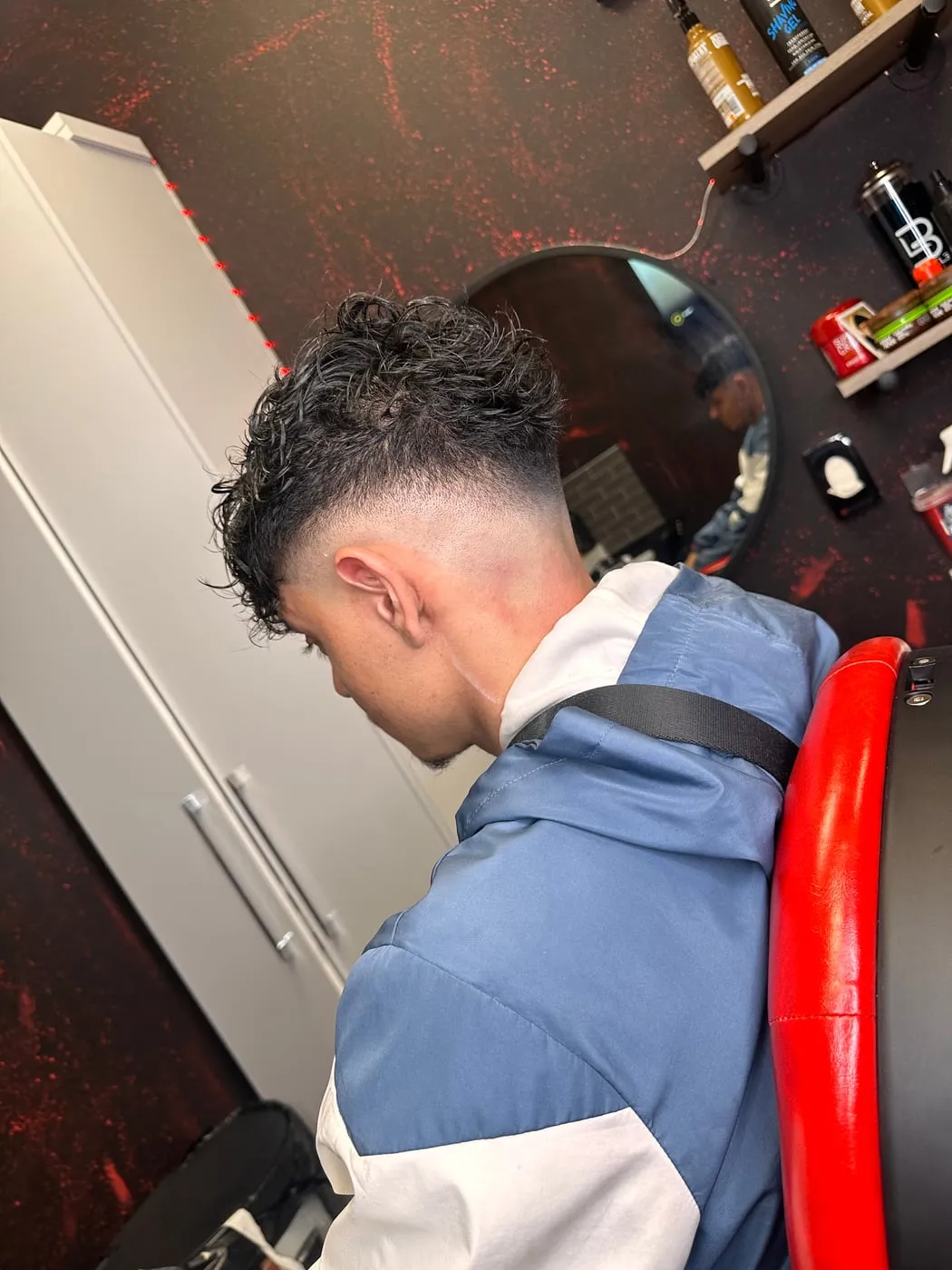
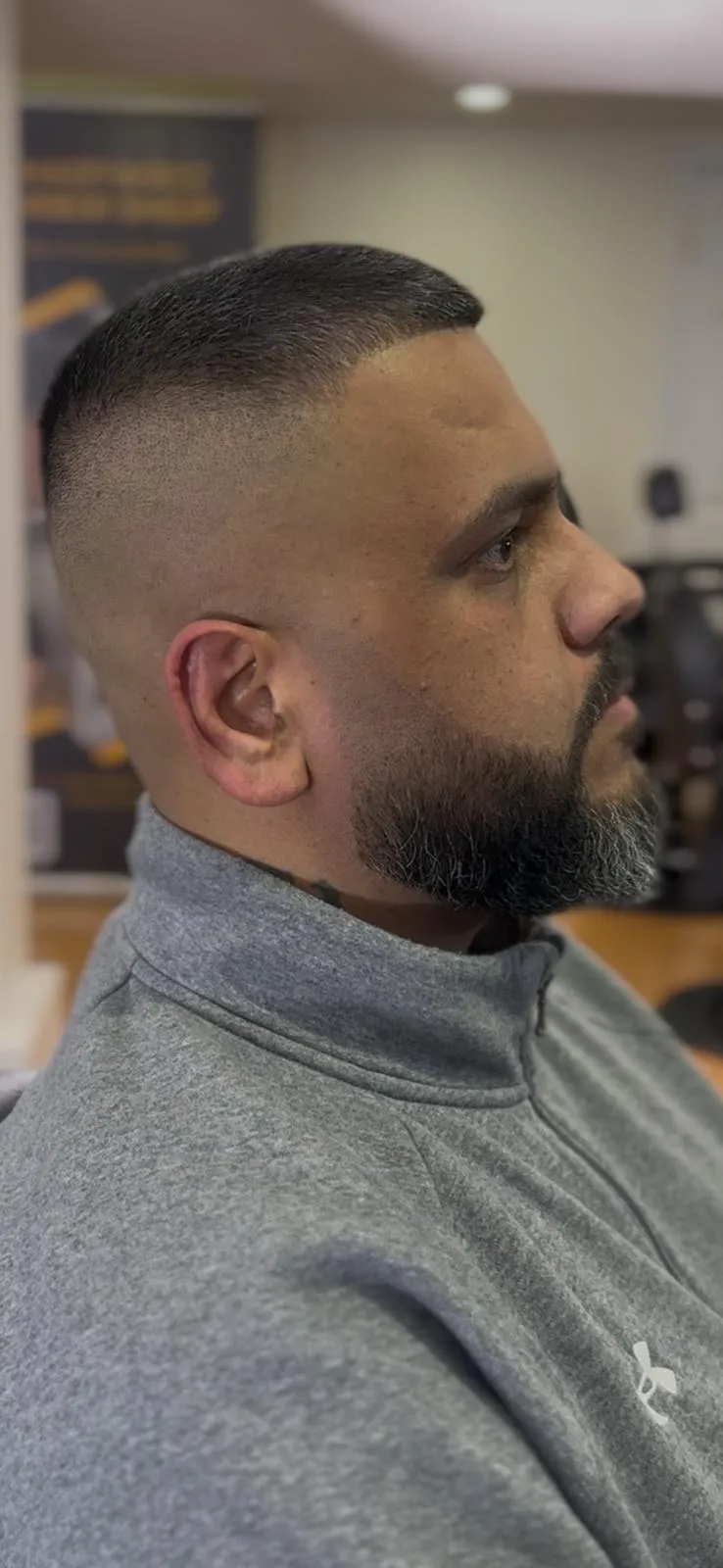
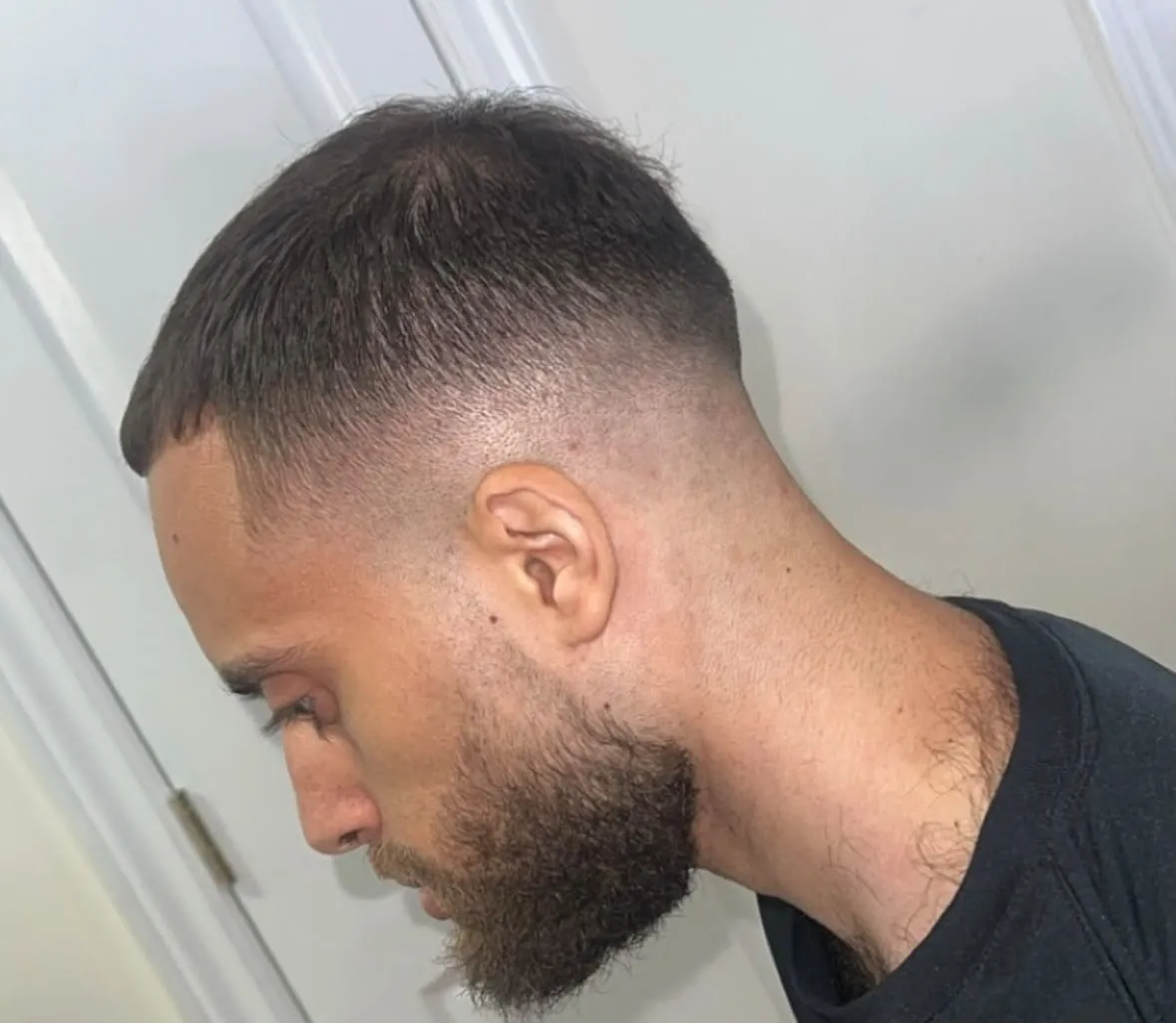
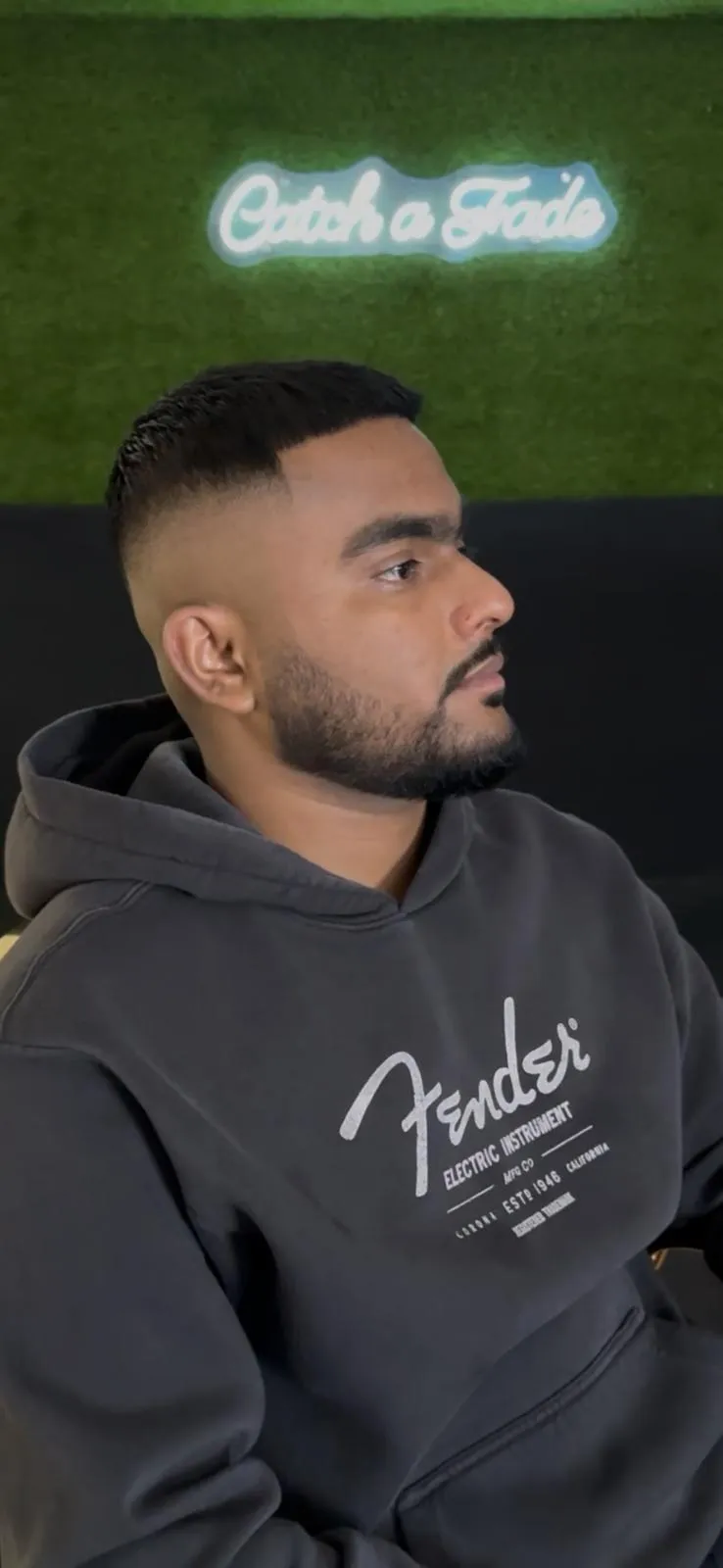
It also protects a fresh cut. Cotton pillowcases and toques drag against the hair and pull moisture from it, which fuzzes the pattern and blurs a lineup. A smooth durag keeps the top neat and helps a taper fade or skin fade look sharp for longer after you leave the chair.
Tying a durag step by step
The goal is even compression with no knots or bunching on top of your waves. Tie it in front of a mirror the first few times until it becomes automatic.
- Brush your hair in the direction of your wave pattern, ideally right after a wash or with a light moisturizer.
- Turn the durag so the seam is on the outside if you want to avoid seam lines on your hair.
- Place it on your head with the centre seam running straight from the middle of your forehead to the nape.
- Pull the front edge down to just above your eyebrows and let the flap hang over the back of your neck.
- Take a tie in each hand and bring them around the back of your head, crossing them over the flap.
- Bring both ties forward around the sides to your forehead and cross them flat against the front.
- Take them back around and tie a knot at the nape, below the crown so it does not dent your waves.
- Smooth the flap down over the knot and check that the ties lie flat, not twisted.
Getting the compression right
Firm, even pressure helps waves; too much pressure just leaves deep lines on your forehead and can give you a headache. You should be able to slide a finger under the tie at the forehead without much effort.
Most men wear the durag for at least a few hours after brushing and overnight during the wave-training stage. After a haircut, when the hair is shortest, lighter compression is plenty. If you notice marks that do not fade within a few hours, redness along the hairline, or any tenderness, loosen it; constant tight pressure along the hairline is not good for the skin or the hair.
Silk, satin, polyester or velvet?
The fabric changes how much friction your hair gets and how well the durag holds. Silk and satin are the smoothest, so they are the most popular for sleeping and for protecting a fresh cut. Satin is usually polyester woven to feel like silk, and it is easier to care for.
Mesh or plain polyester durags compress well and breathe in summer heat, while velvet is warm for Canadian winters and adds a style element if you are wearing it out.
| Fabric | Best for | Watch out for |
|---|---|---|
| Silk | Sleeping, low friction | Delicate, hand wash |
| Satin (polyester) | Everyday and sleep | Cheaper ones slip off |
| Plain polyester | Compression, workouts | Can feel warm |
| Velvet | Winter, going out | Heavier, holds heat |
Sleeping in a durag without problems
Sleeping in a durag is the most effective way to protect waves and a fresh cut, because the pillow is where most friction happens. Tie it snug enough to stay on through the night, and consider a silk or satin pillowcase as a backup in case it slips.
Wash your durag regularly, at least once a week, because it holds oil, product and sweat against your scalp and forehead every night. A dirty durag is a common cause of breakouts along the hairline. If you get itchy, flaky or bumpy skin under it that does not settle when you wash it more and loosen it, see a doctor or dermatologist.
- Hand wash in cool water with a mild detergent.
- Air dry flat to keep the shape and the ties from stretching.
- Keep two in rotation so one is always clean.
Timing a durag around your haircut
Brush and put your durag on the night after a cut to lock in the pattern while the hair is freshly even. Waves are cut with the grain and at a consistent length, so the first few days after a visit are when training pays off most.
Tell your barber you are wave training during the consultation. We will keep the top at a length that shows the pattern and avoid cutting against it; our haircut aftercare guide covers the rest of the first 48 hours.
How to wear a durag: common questions
How long should I wear a durag for waves?
During the training stage, most men wear it for a few hours after brushing and overnight. Once your waves are established, overnight is usually enough.
Should the seam of a durag be inside or outside?
Many men wear the seam outside so it does not press a line into the waves. Either works for protection.
Can a durag cause hair loss?
A durag worn at normal tension should not. Constant tight pressure on the hairline can stress hair over time, so keep it snug rather than tight and see a dermatologist if you notice thinning along the edges.
Do I need a durag if I do not have waves?
Not necessarily, but it still helps protect a fresh fade, curls or a lineup overnight, especially on cotton pillowcases.