
Barber Answers
Getting a Haircut With Hearing Aids: In, Out and How to Talk
Short answer: When getting a haircut with hearing aids, keep them in for the consultation so you can talk through the cut, then take them out and put them in their case before the barber works around your ears or washes your hair. Water, hair clippings and styling products can all damage the devices. Agree on a simple way to communicate while they are out, such as using the mirror or a phone.

Keep them in to talk, take them out to cut
The simplest plan is to wear your hearing aids for the conversation and remove them once the cut starts. The consultation is where the important decisions get made: the length on top, how short the sides go, the shape of the neckline. You want to hear every question clearly for that part.
Once the barber reaches the area around your ears, the devices are in the way. Behind-the-ear models sit exactly where the clippers need to go to taper the sides and outline the ear, and even in-the-ear styles collect tiny clippings. Taking them out also means you will not hear the clippers roaring right beside the microphones, which many people find uncomfortable.
Protecting the devices from water, hair and product
Hearing aids and barbershops do not mix well because of three things: moisture, small hairs and styling products. The U.S. National Institute on Deafness and Other Communication Disorders advises keeping hearing aids away from heat and moisture and avoiding hairspray or other hair products while you are wearing them.
Every service at Markcutit includes a hair wash and a hot towel, so there is spray bottle mist, basin water and steam involved at different points. Here is how to keep your devices out of all of it:
- Bring the storage case or drying case your audiologist gave you, and put the aids straight into it, not into a shirt pocket or onto the counter.
- Leave the case in your jacket or bag rather than on the station, where clippings and water collect.
- Keep the aids out through the wash, hot towel and styling, and put them back only once your hair and ears are dry.
- Brush any loose hairs off your ears and neck before refitting, since clippings can find their way into the ports.
- Style with product before putting them back, and let it settle so none transfers to the shell or tubing.
Ways to communicate while your aids are out
Settling on a signal before the aids come out avoids awkward moments halfway through the cut. The mirror is your best tool: it lets you see the barber's face and the haircut at the same time, and most of the questions during a cut are visual anyway.
Methods that work well in the chair:
- Agree on the questions you will want to answer, such as "shorter?" or "happy with the length?", during the consultation while you can still hear.
- Ask the barber to tap your shoulder and speak facing the mirror so you can lip-read if that helps you.
- Keep your phone on your lap; typing a short note into it is faster than trying to talk over clippers.
- Use a thumbs up or a pinch gesture for "more" or "less" when checking length.
- Put the aids back in for the final check before you pay, so you can discuss anything you want changed.
Haircut choices that suit hearing aid wearers
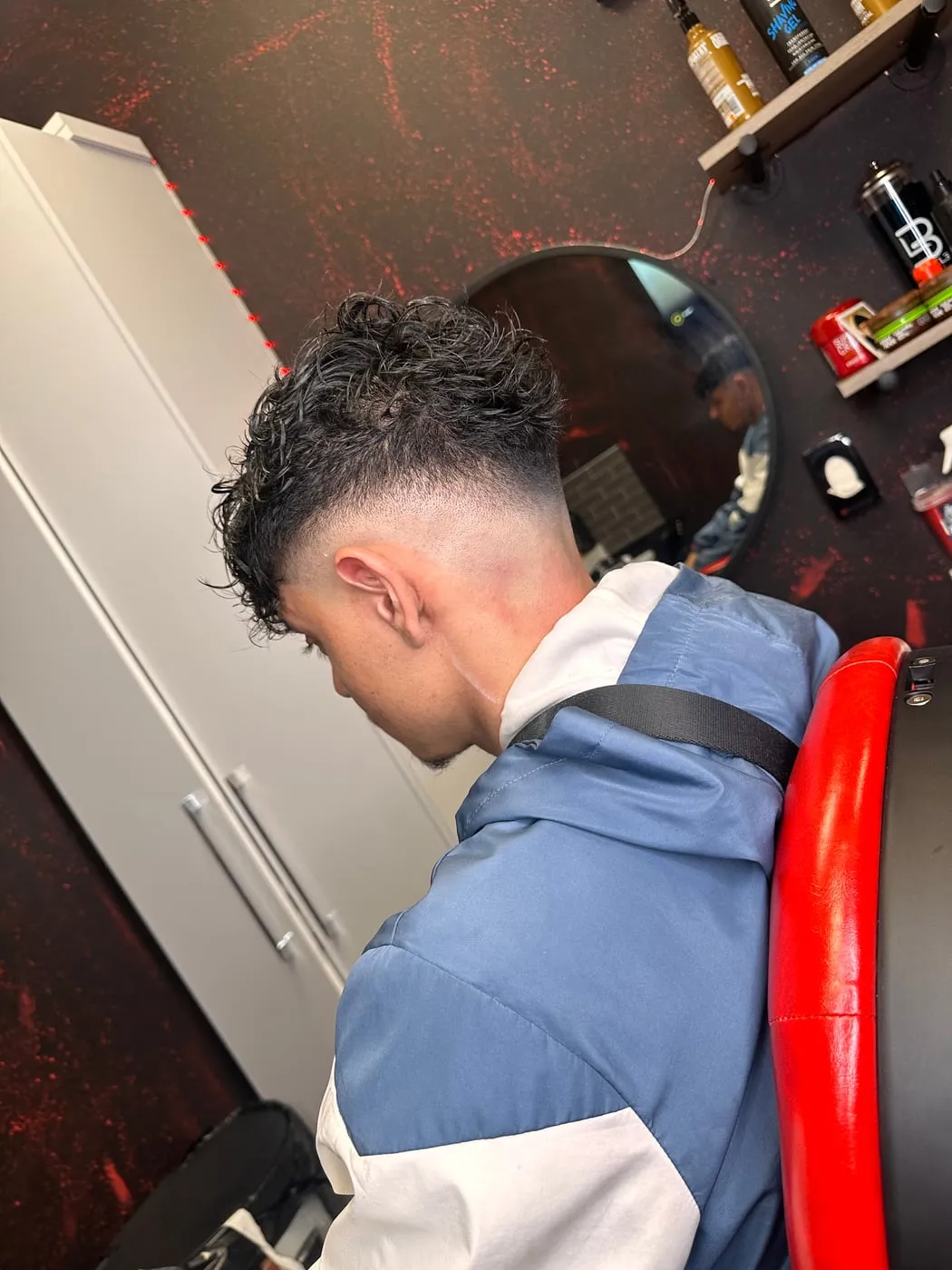
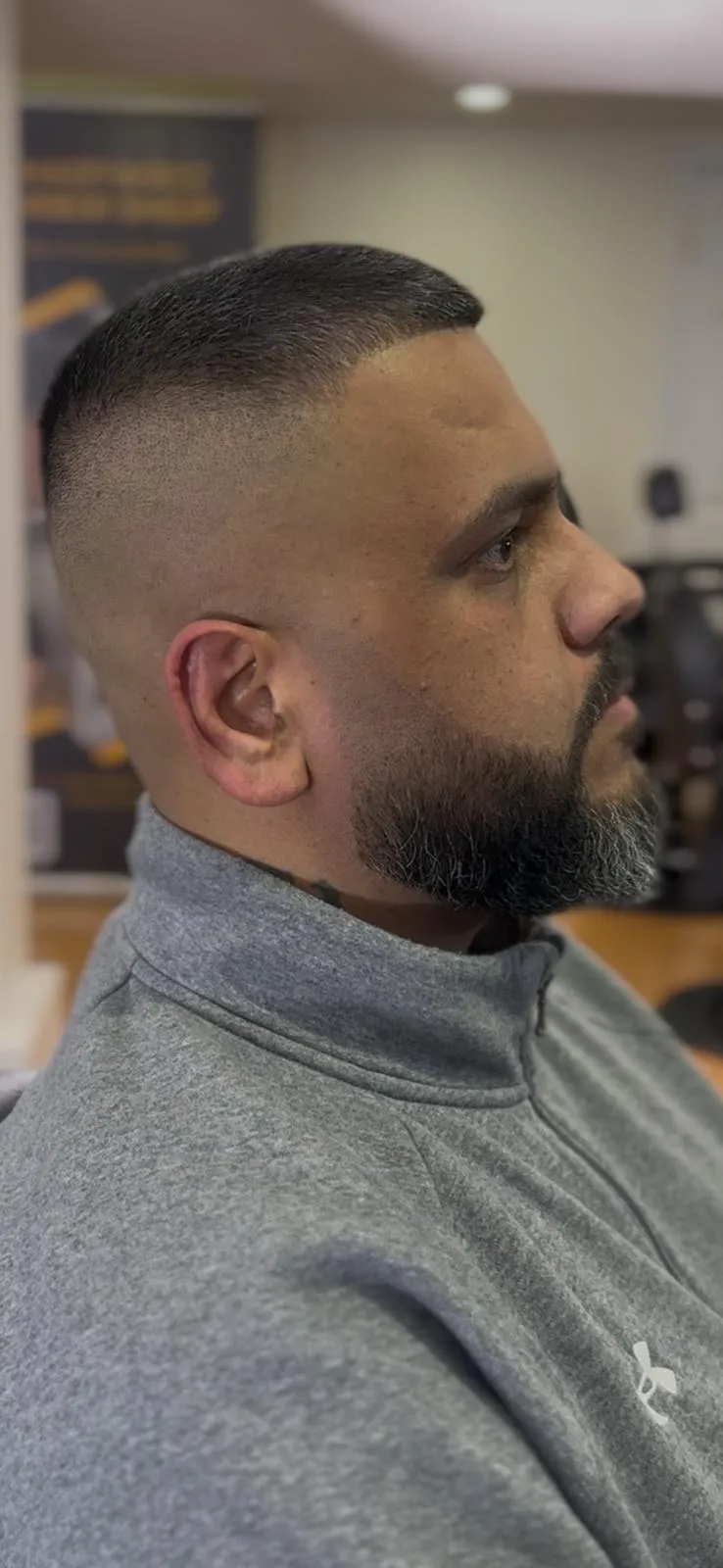
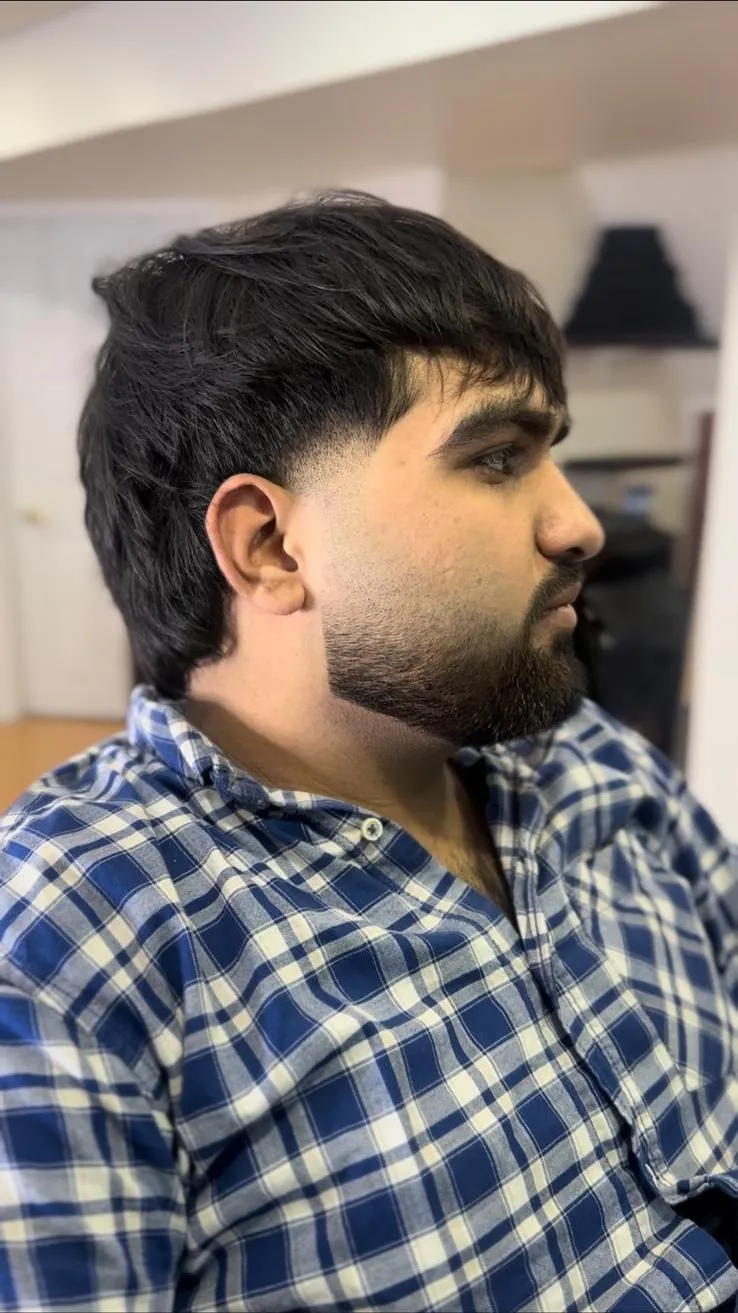
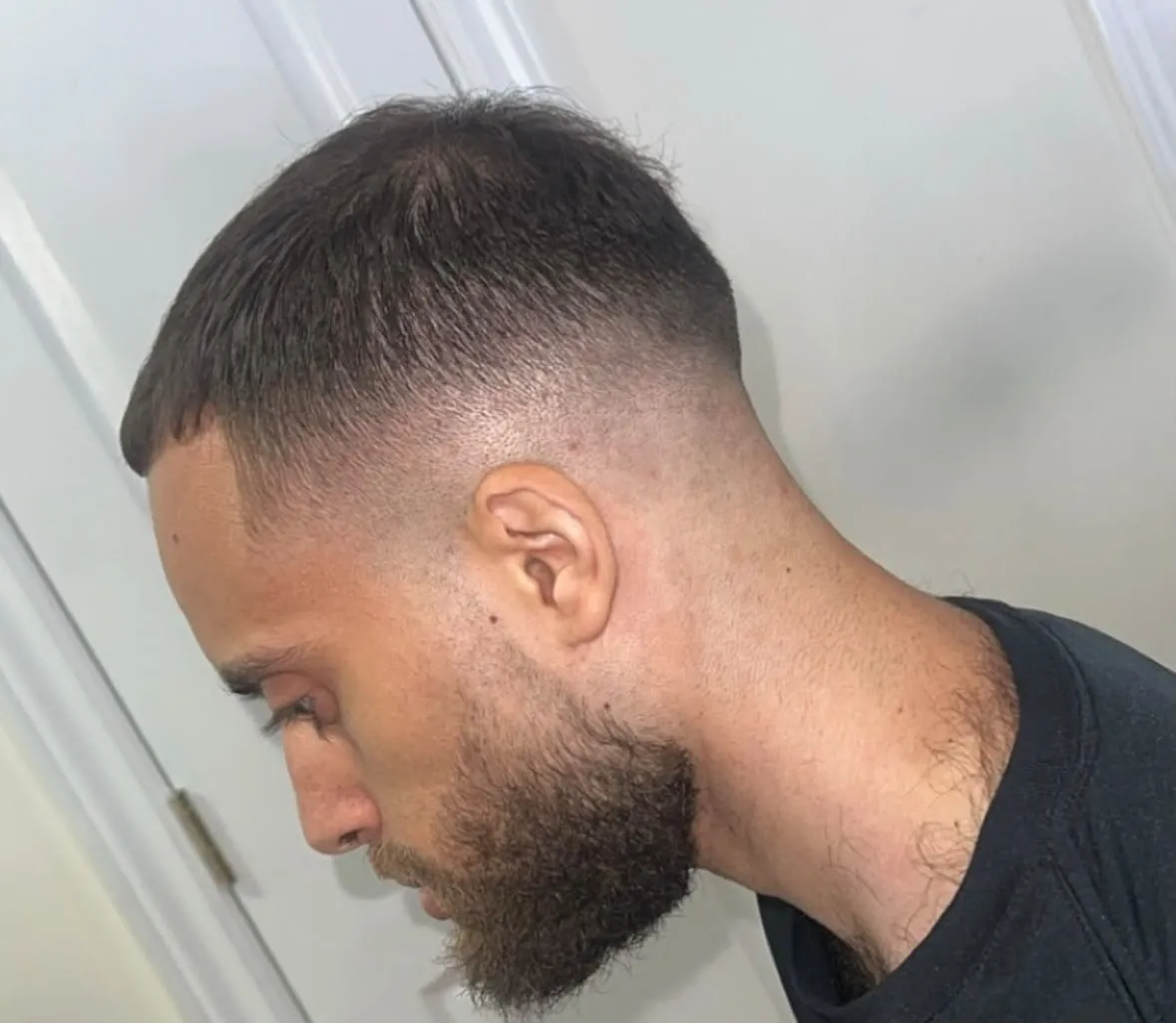
A clean, short area around the ears generally makes behind-the-ear devices easier to fit and keeps hair from pressing on the tubing or getting caught in it. A low or mid taper fade does this neatly without going to bare skin. If you would rather keep the devices discreet, ask for a little more length over the ear; we can leave enough to cover the top of the shell without it touching the microphones.
Cochlear implant processors and bone-anchored devices are a separate case. They are held on by a magnet or an abutment, and the area around them may need specific care. Ask your audiologist or implant team how short the hair over the coil can safely go and whether clippers should avoid that area, then tell us what they said. The same goes for any hearing device you are unsure about: the audiologist's advice decides what we do.
Tell us when you book
Mentioning your hearing aids in the Booksy notes, or when you call or text, means the barber is ready to work around them from the start. You can also tell us as you sit down. Neither Mark nor Marcel will think twice about it; hearing aids are a normal part of cutting hair, and it takes seconds to plan around them.
If you feel uneasy about speaking up in a busy shop, our page on what happens in a barber consultation shows the questions we ask, so you can prepare your answers before you arrive.
Getting a haircut with hearing aids: common questions
Can I keep my hearing aids in during the whole haircut?
You can for a trim that stays well away from the ears, but for most cuts they get in the way and risk clippings, water and product. Removing them for the cutting and washing is the safer habit.
What if I forget the case?
Ask for a clean, dry spot away from the station and a tissue to wrap them in, and keep them in your hand or bag. Just do not leave them loose on the counter.
Does the hot towel harm hearing aids?
Steam and warm moisture are exactly what the devices should avoid, so keep them out and stored before the hot towel goes on and until your face and ears are dry.
Is a short fade uncomfortable with behind-the-ear aids?
Most people find a short, clean side makes the aids sit more comfortably. If the skin behind your ear is sensitive, a taper that leaves a little length is gentler than a bare skin finish; see our guide to haircuts for a sensitive scalp.