
Haircut Styles
French Crop: A Low-Effort Fringe Cut and How to Ask for It
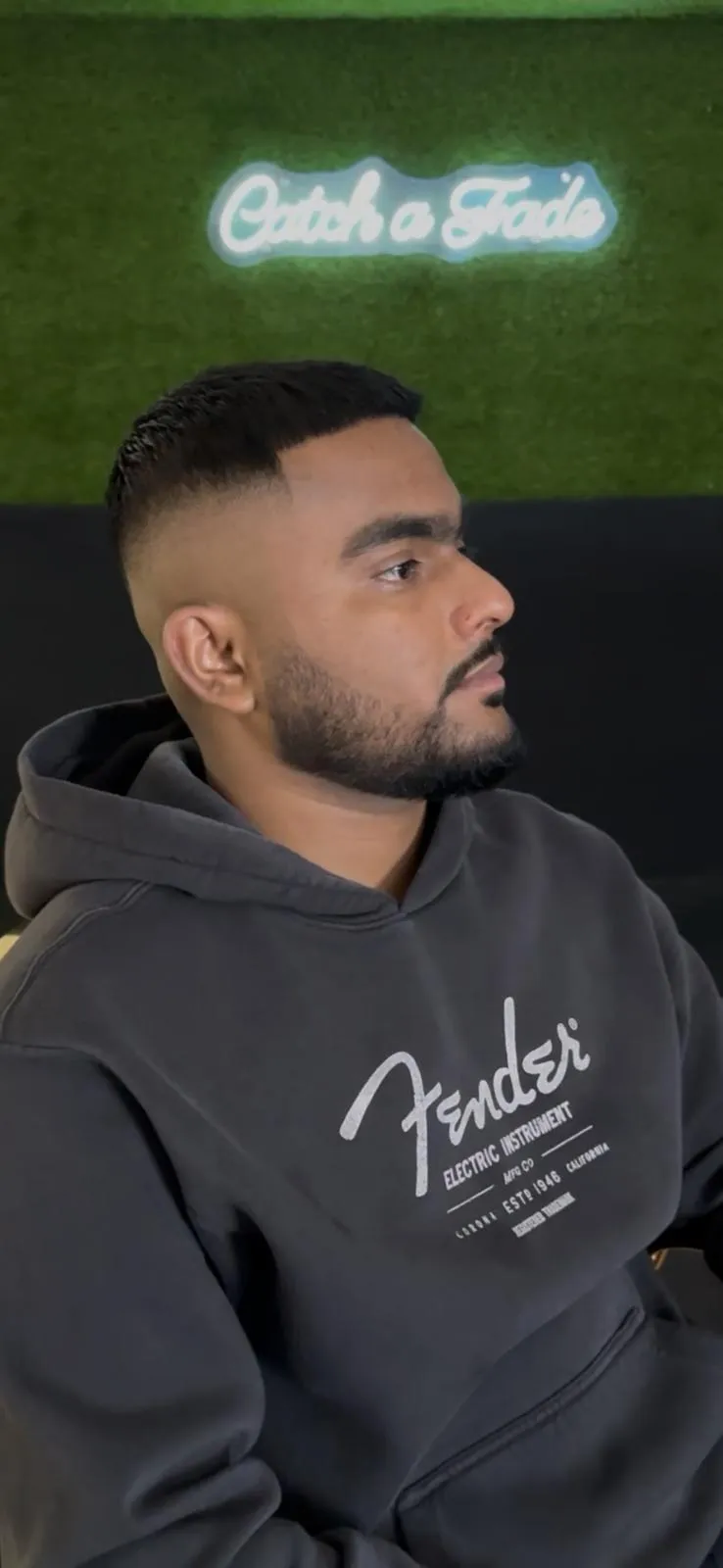
Short answer: A French crop is a short haircut with tight sides and a longer top brushed forward into a horizontal fringe that ends somewhere between the hairline and the eyebrows. The fringe can be cut blunt for a clean line or textured for a softer finish. It covers a high forehead well and needs almost no daily styling.
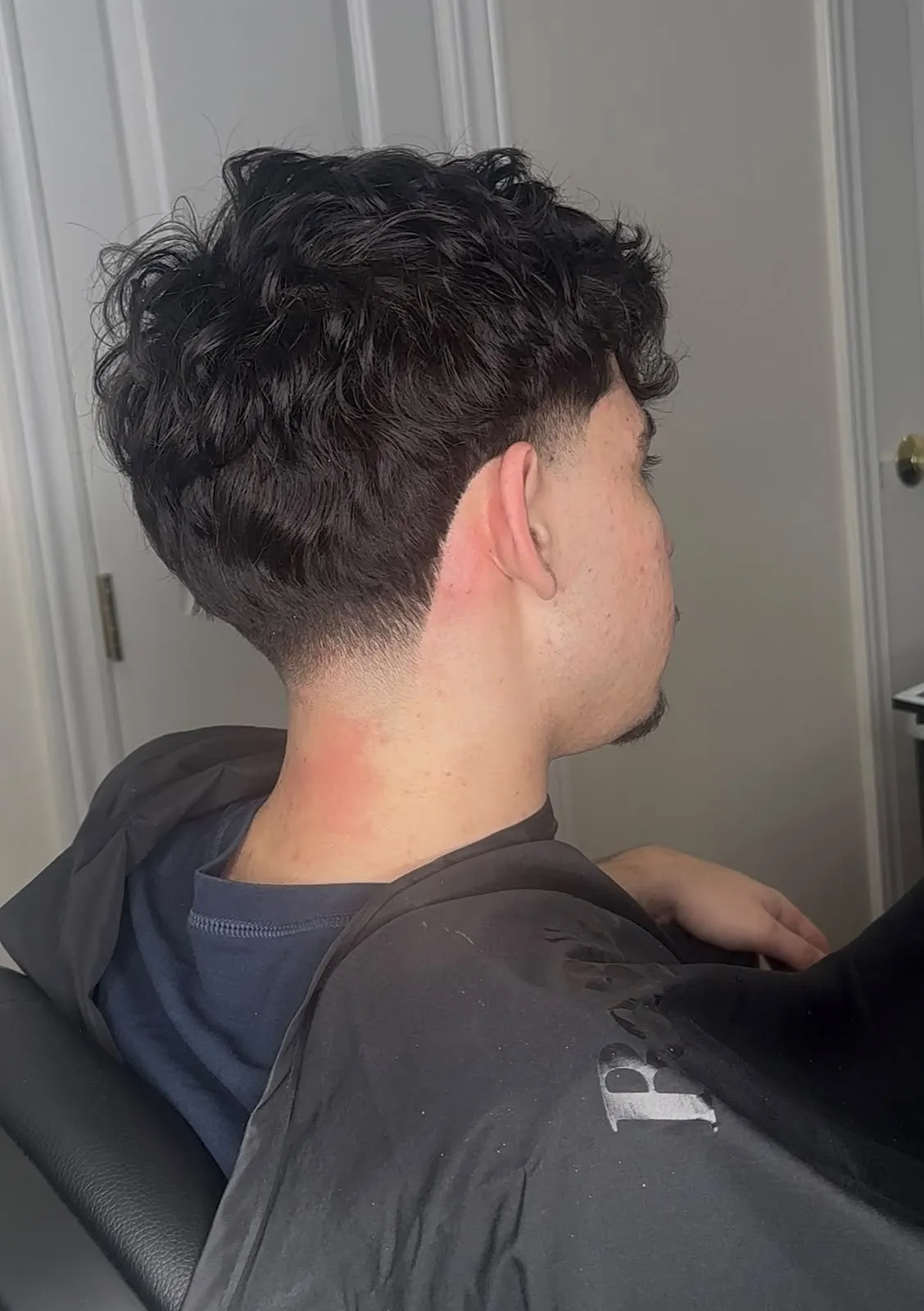
The French crop is a longer, heavier cousin of the Caesar
A French crop is essentially a Caesar with more length, especially at the front. Both are cut so the hair is combed forward from the crown, and both finish in a straight fringe. The Caesar keeps the top short and even, often 2 to 3 cm all over, while the French crop leaves the fringe noticeably longer than the rest so it has visible weight across the forehead.
That extra length changes how the cut reads. A Caesar cut looks tidy and close to the head; a French crop has more presence at the front and more room for texture. Many people who wear a Caesar in summer let it grow into a French crop over the colder months.
Blunt fringe or textured fringe?
A blunt fringe is cut in one clean horizontal line with the scissor held flat. It looks deliberate, slightly fashion-forward and very sharp in the first week, and it suits thick, straight hair that falls evenly.
A textured fringe is point cut so the ends are staggered. It looks more relaxed, hides uneven growth as it grows, and forgives a cowlick at the front better than a blunt line does. On thinner hair we almost always go textured, because a blunt edge on sparse hair shows the gaps between strands.
| Blunt fringe | Textured fringe | |
|---|---|---|
| Look | Clean, graphic line | Soft, broken up |
| Best hair | Thick and straight | Any density, wavy or with a cowlick |
| Grows out | Shows growth quickly | Blends as it grows |
| Styling | Comb forward, no product needed | Fingers and a little matte paste |
Why it works so well on a high forehead
A French crop covers the forehead with hair, so a tall forehead simply stops being visible. Because the fringe runs horizontally across the face, it also visually shortens a long or oblong face in a way that upward styles like a quiff never can.
It is a strong option for a hairline that is starting to recede evenly across the front. The fringe sits over the front hairline rather than exposing it. If most of your recession is at the temples, a slightly choppier textured crop can hide the corners a little better. Our guide to haircuts for big foreheads compares the options side by side.
What goes on the sides
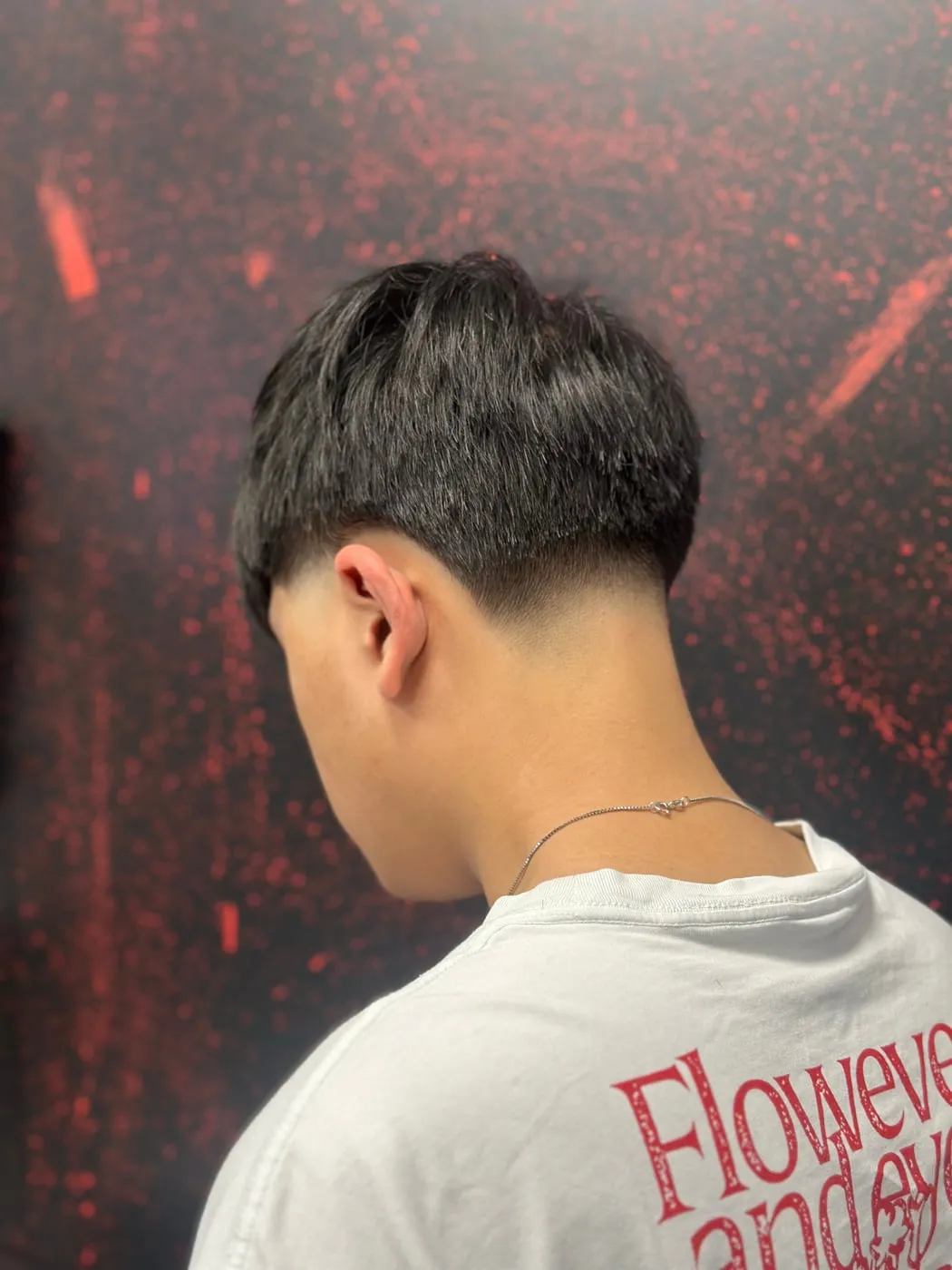
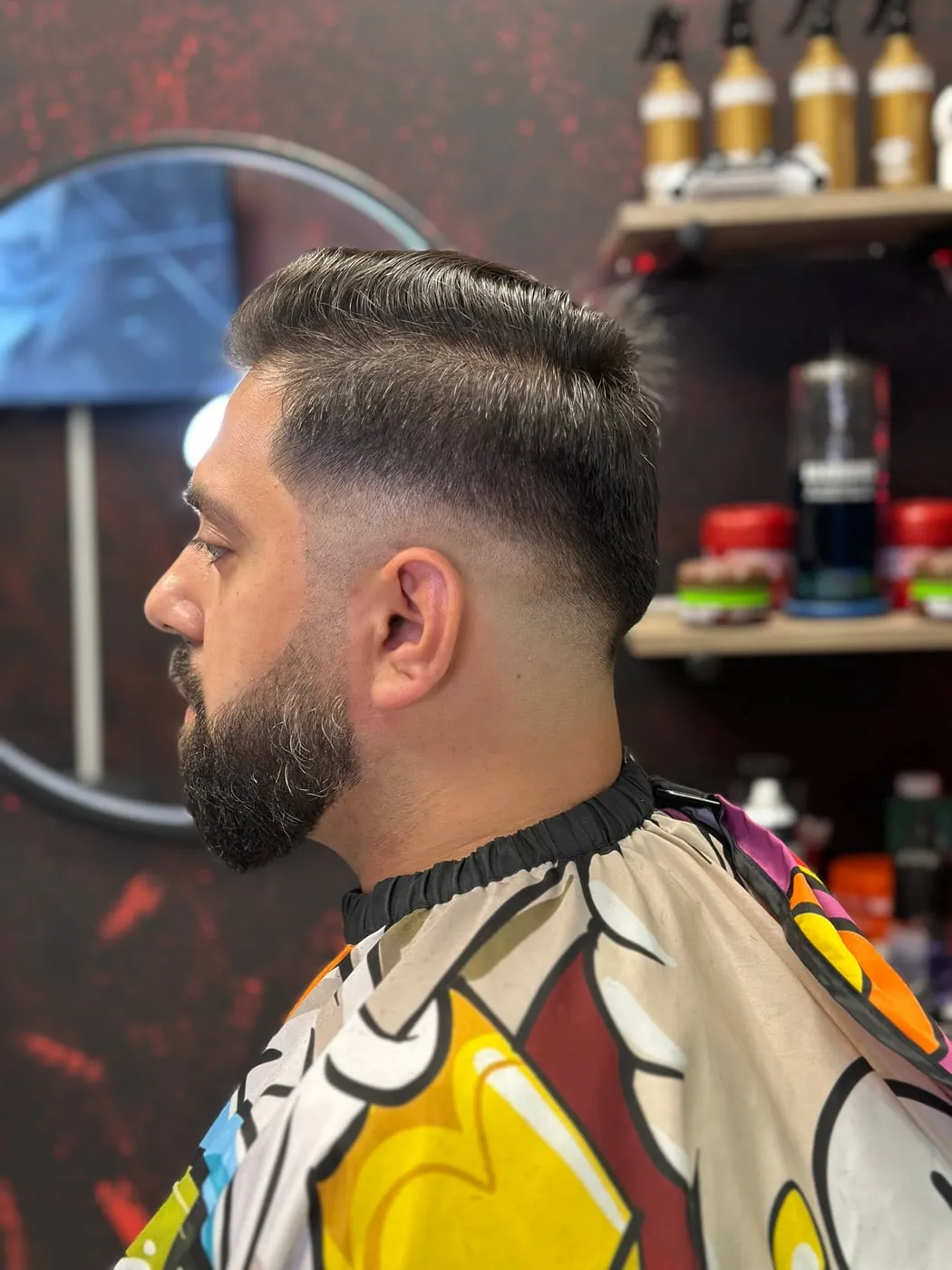
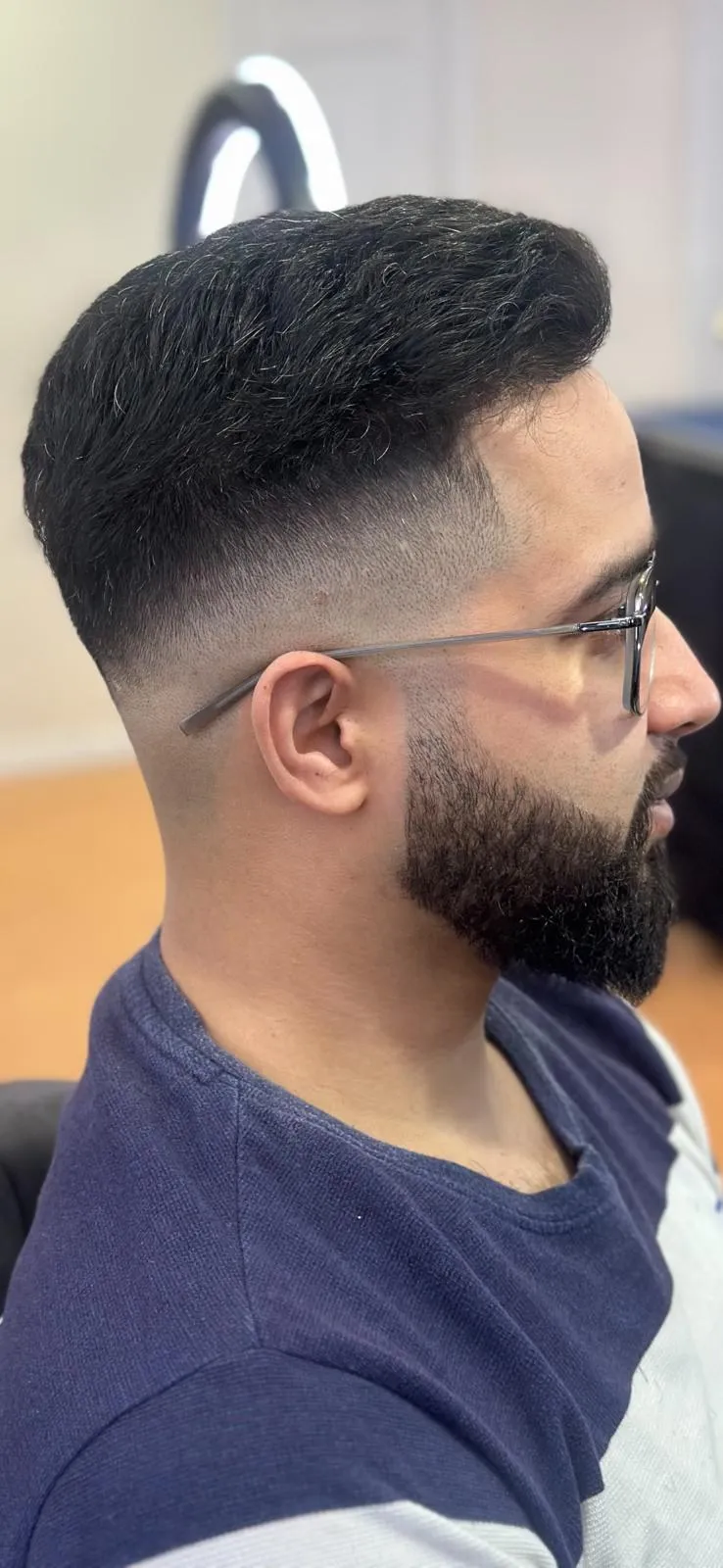
The classic French crop has scissor-cut or clipper-over-comb sides left at about 1 to 2 cm, which gives a softer outline. The more common version today pairs the fringe with a skin or low fade for contrast.
A high fade makes the fringe look heavier and more dramatic. A low taper keeps the whole cut conservative enough for any workplace. We choose with you during the consultation based on your head shape: a flatter back of the head usually benefits from a bit more length through the crown, which scissors handle better than clippers.
Daily styling takes under a minute
Most mornings you only need to push the hair forward. The cut is designed to fall into place, so the effort is in the barber's chair, not the bathroom.
- Blunt version: comb forward while damp and leave it. A small amount of light cream stops flyaways.
- Textured version: rough dry with a towel, work a pea-sized amount of matte paste through with fingers, and pinch the fringe into loose pieces.
- Humid Ontario summers: skip cream and use a little sea salt spray or texture powder, which hold up better when it is sticky out.
- Under a toque all winter: a French crop recovers better than most cuts, since the hat pushes the hair forward, which is where it is meant to sit anyway.
How often to get it cut
The fringe is the timekeeper. Once it starts sitting on your eyebrows, usually four to five weeks after a cut, the shape stops looking intentional. If you pair it with a skin fade, the sides need attention sooner, around every two to three weeks. Booking a scissor cut every four weeks is a good middle ground for most people.
French crop: common questions
Is a French crop still in style?
Yes. It has been a steady barbershop request for years because it looks current with a fade and classic with scissor-cut sides, and it needs almost no styling.
Can I get a French crop with curly hair?
Loose waves work well and add natural texture. Tight curls shrink up and will not form a horizontal fringe, so a Caesar or curly fade usually suits them better.
How long does my hair need to be to get a French crop?
You need at least 5 cm at the front so there is enough to cut a proper fringe. If you are coming from a buzz cut, give it about six to eight weeks of growth first.
Will a French crop make my face look rounder?
It can if the sides are left full. Ask for a mid or high fade to slim the sides and keep a little height at the crown to balance a round face.