
Face Shape & Hair Type Guides
Haircuts for Men With Acne: Fringes, Products and Clean Tools
Short answer: If you get breakouts on your forehead or along the hairline, choose cuts that keep hair off the skin, such as a quiff, brush-up, side sweep or short crop, rather than a heavy fringe resting on the forehead. Use water-based, non-comedogenic styling products and keep them away from the hairline. Tell your barber about active spots so the razor avoids them. A haircut can reduce triggers, but acne treatment comes from a doctor or dermatologist.
How hair and products can affect forehead breakouts
Hair that rests on the forehead can carry scalp oil, sweat and styling product onto the skin, and friction from a fringe moving against the skin all day may add to irritation. Dermatologists recognize that oily hair products used near the hairline can contribute to breakouts along the forehead and temples in some people.
This does not mean your haircut causes acne. Acne has many causes, including genetics and hormones. What the cut and your products can do is reduce extra triggers on the parts of your face they touch.
Cuts that keep hair off the skin
These styles lift or move hair away from the forehead.
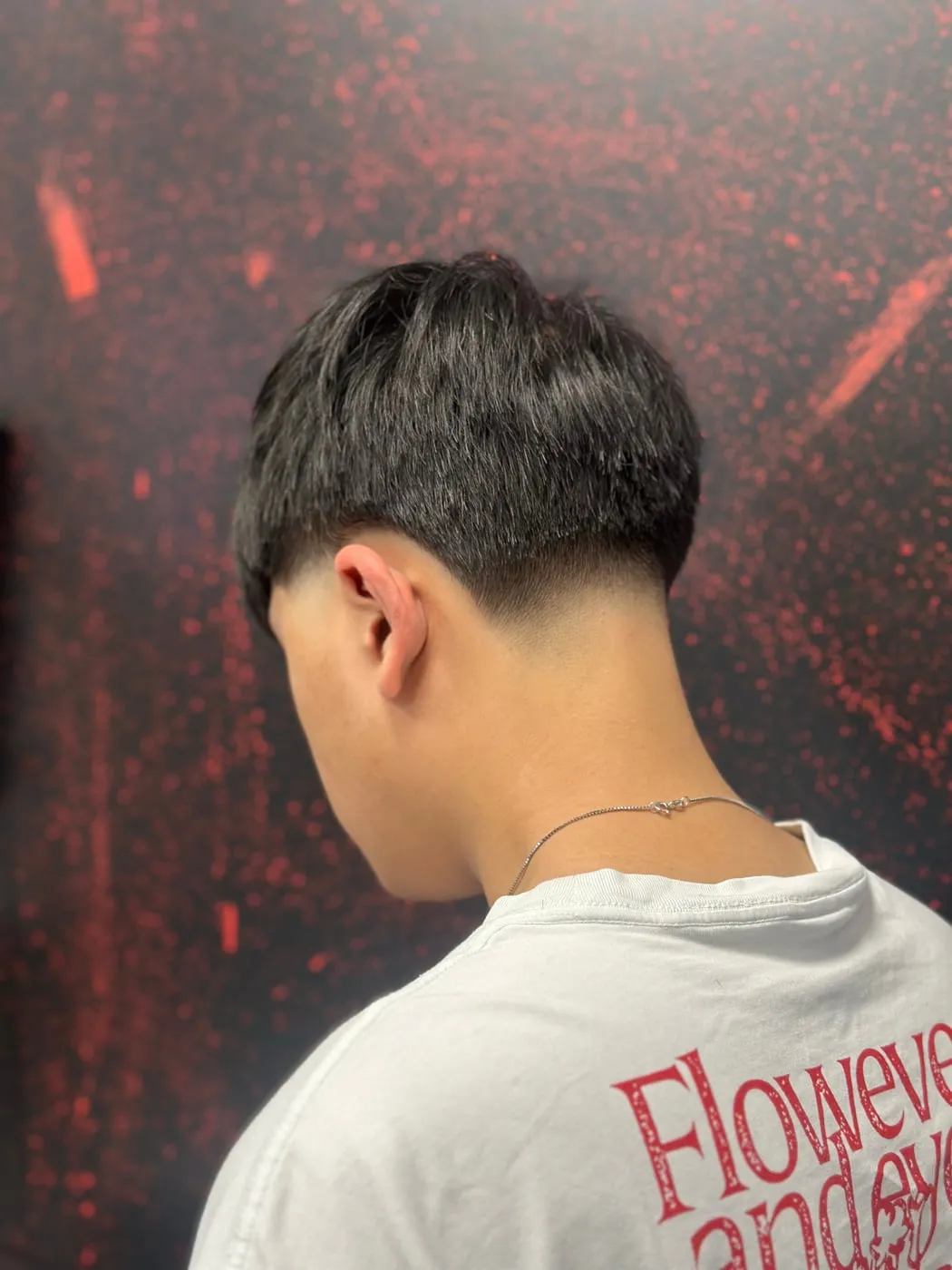
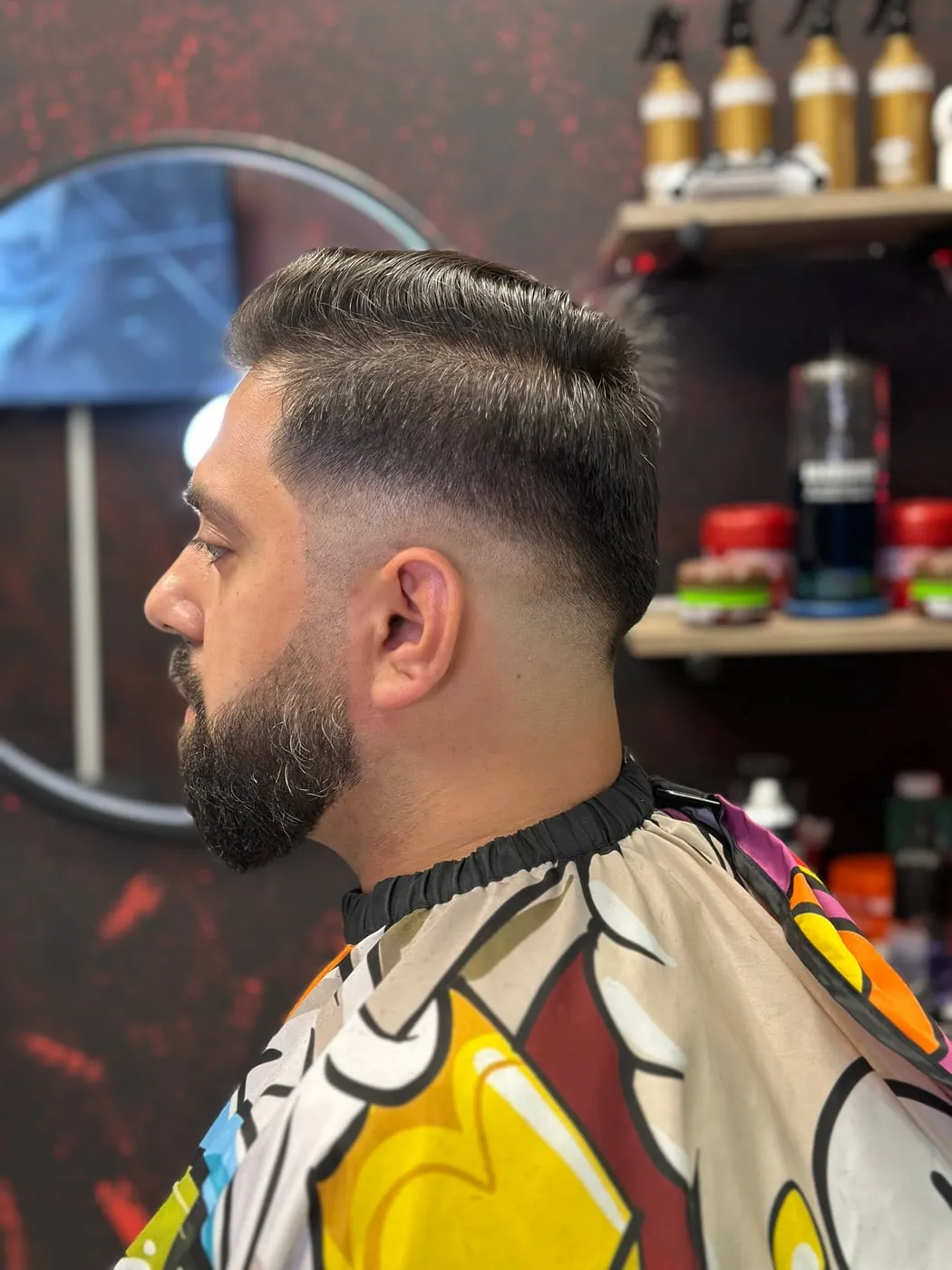
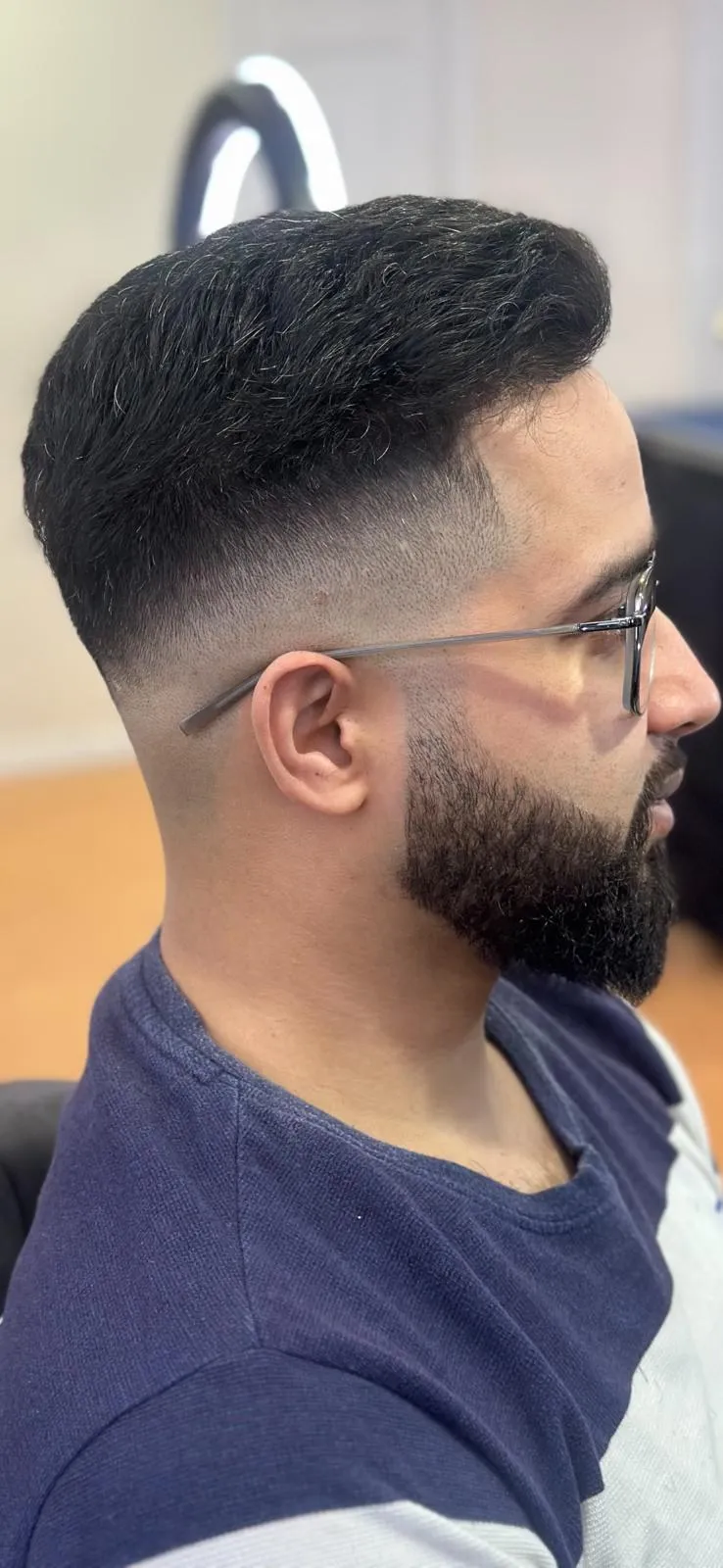
- Quiff or brush-up: the front is lifted and set with a light, water-based product, so it never rests on the skin.
- Side sweep: the hair travels across and back, touching only a small area.
- Short textured crop with a fringe well above the brows: forward, but short enough to sit off the forehead.
- Crew cut or buzz: nothing on the forehead at all and easy to keep clean.
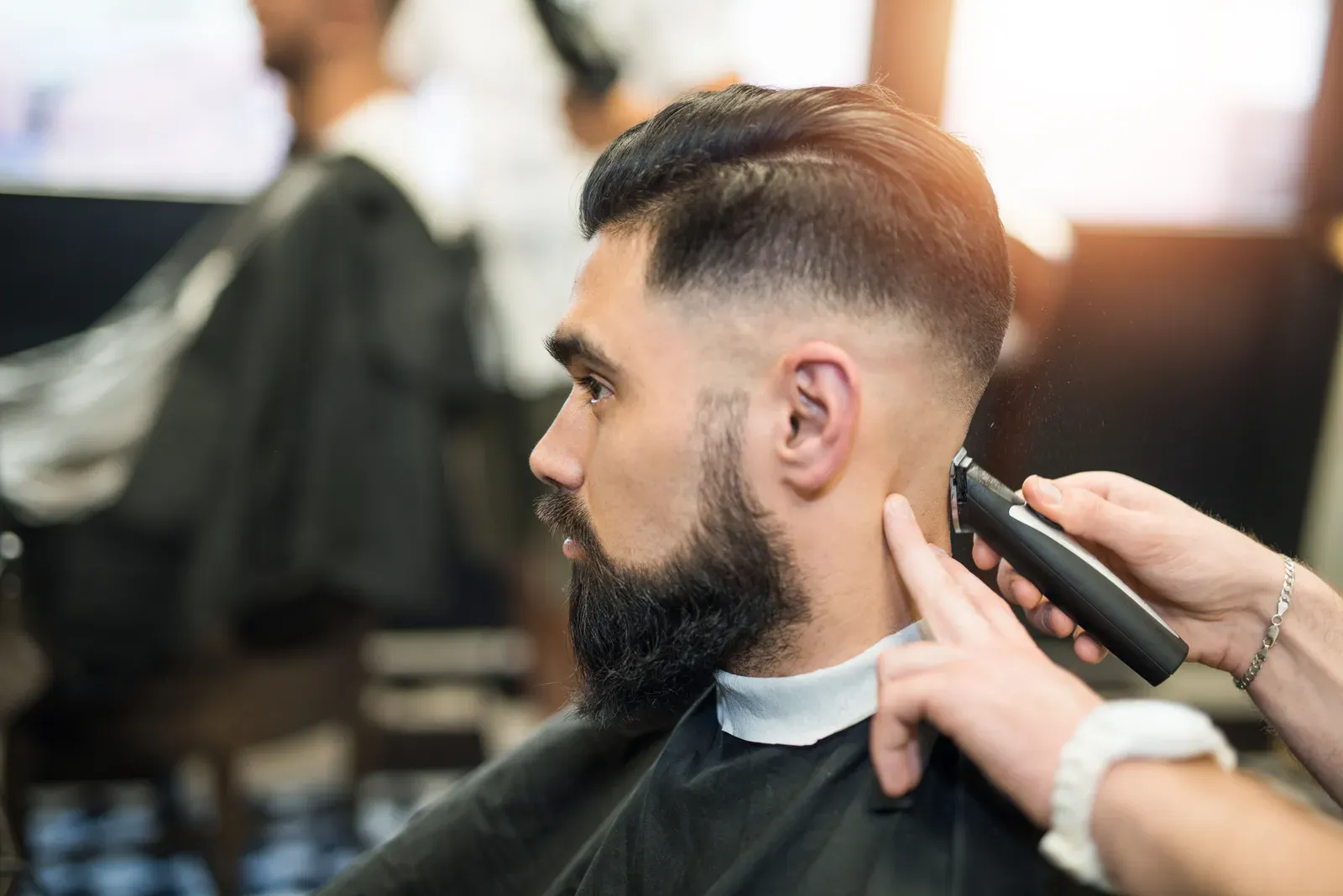
- Slick back with a matte, water-based product: fully clear of the face, as long as the product stays off the hairline.
If you want to keep your fringe
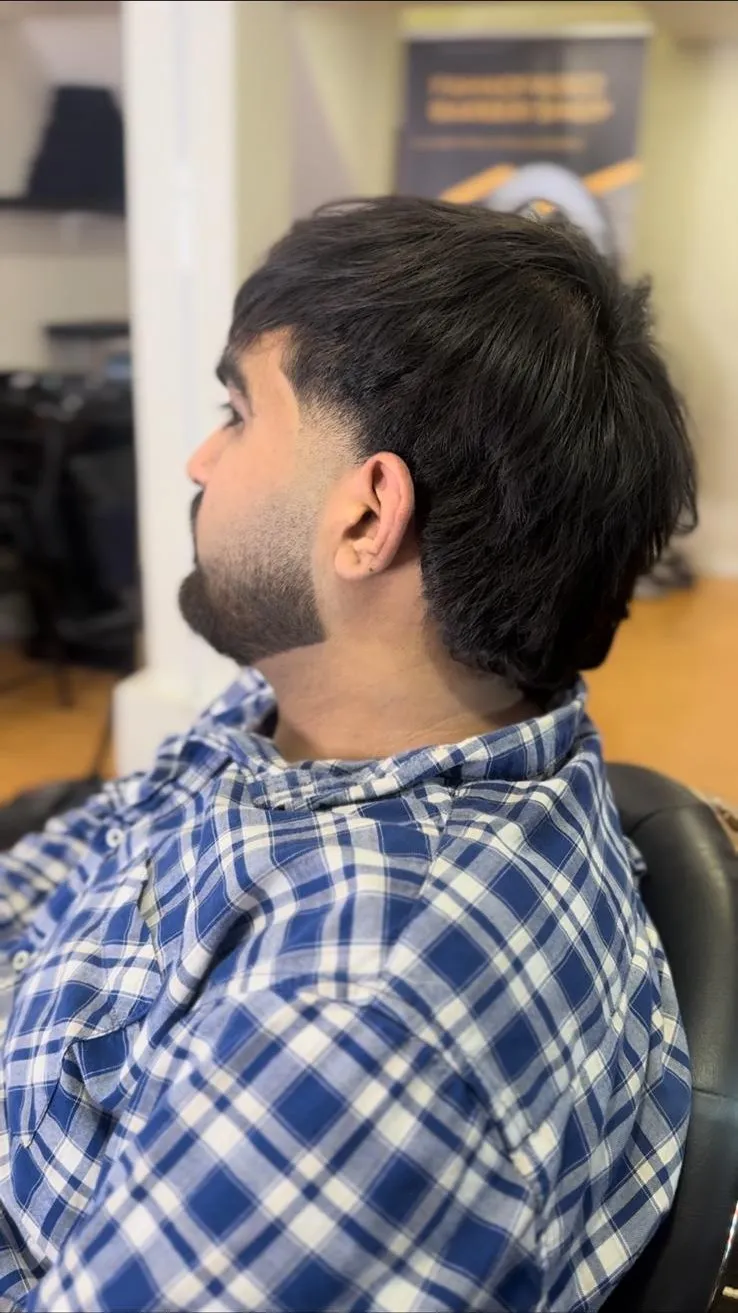
A fringe is not off limits, but it needs more care. Keep it a little shorter so it does not sit flat on the skin, wash your hair often enough that the fringe is not coated in oil, and push it back or off the face when you are at home or asleep.
Avoid rubbing product into the fringe ends where they touch the skin. If you like a longer fringe haircut, a light texture spray tends to be less of a problem than heavy wax or oil-based pomade.
Choosing products that are kinder to skin
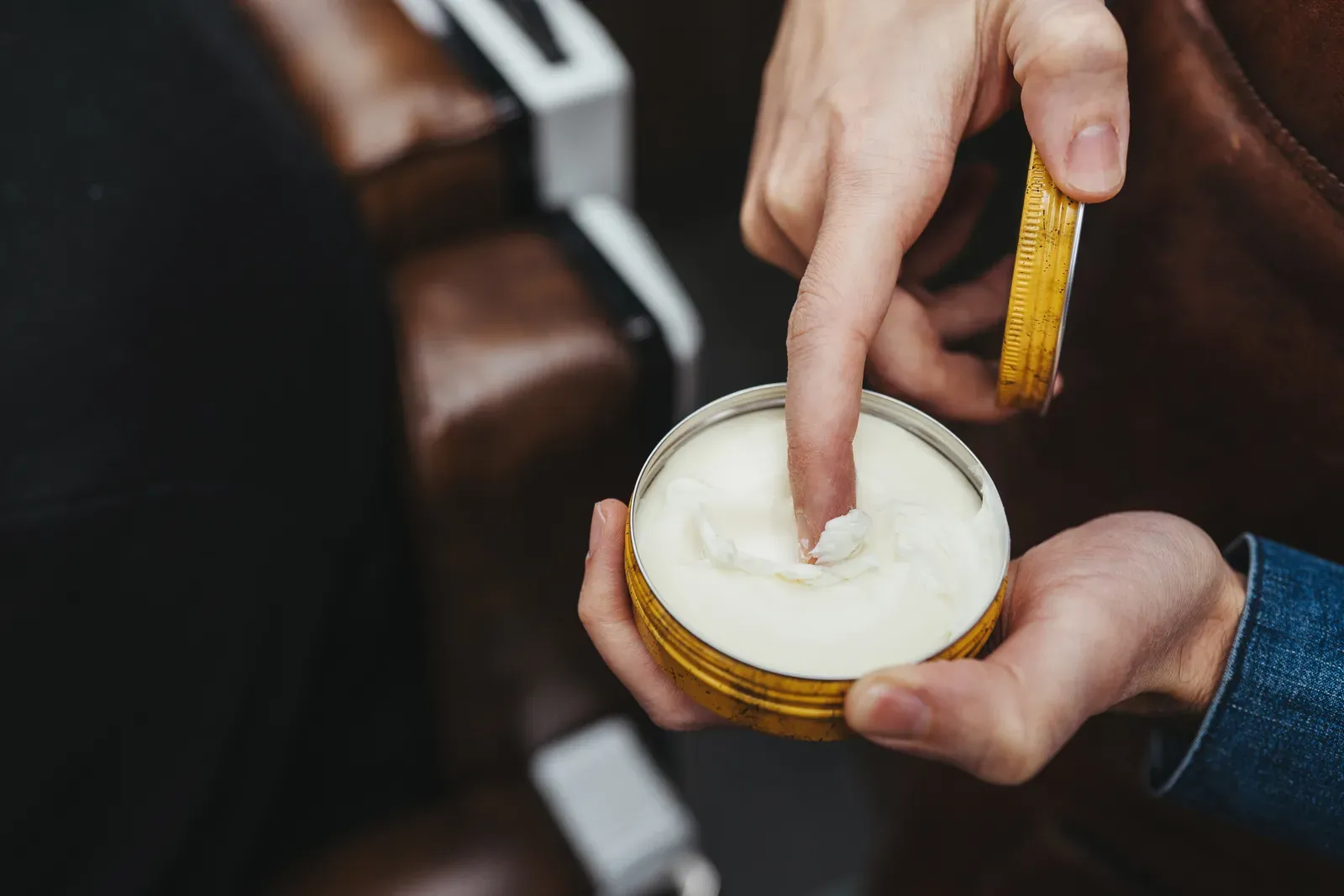
Product choice matters as much as the cut. Look for water-based products labelled non-comedogenic or oil-free, and check the ingredient list for heavy oils, petrolatum or thick waxes near the top.
Apply product to the hair, not the scalp edge. Wash your hands after styling so you are not transferring it to your face, and clean your forehead after applying. Wash styling products out regularly rather than layering them day after day. Our pomade vs wax vs clay comparison explains which products are water-based and wash out easily.
At the barbershop: telling us and what we change
Mention any active breakouts at the start of the consultation. You do not need to explain anything beyond where the spots are. These are the changes we make.
- Skip razor work over active or inflamed spots along the hairline and neck, using a trimmer or leaving the area alone instead.
- Keep styling product off your forehead and hairline, or finish without product if you prefer.
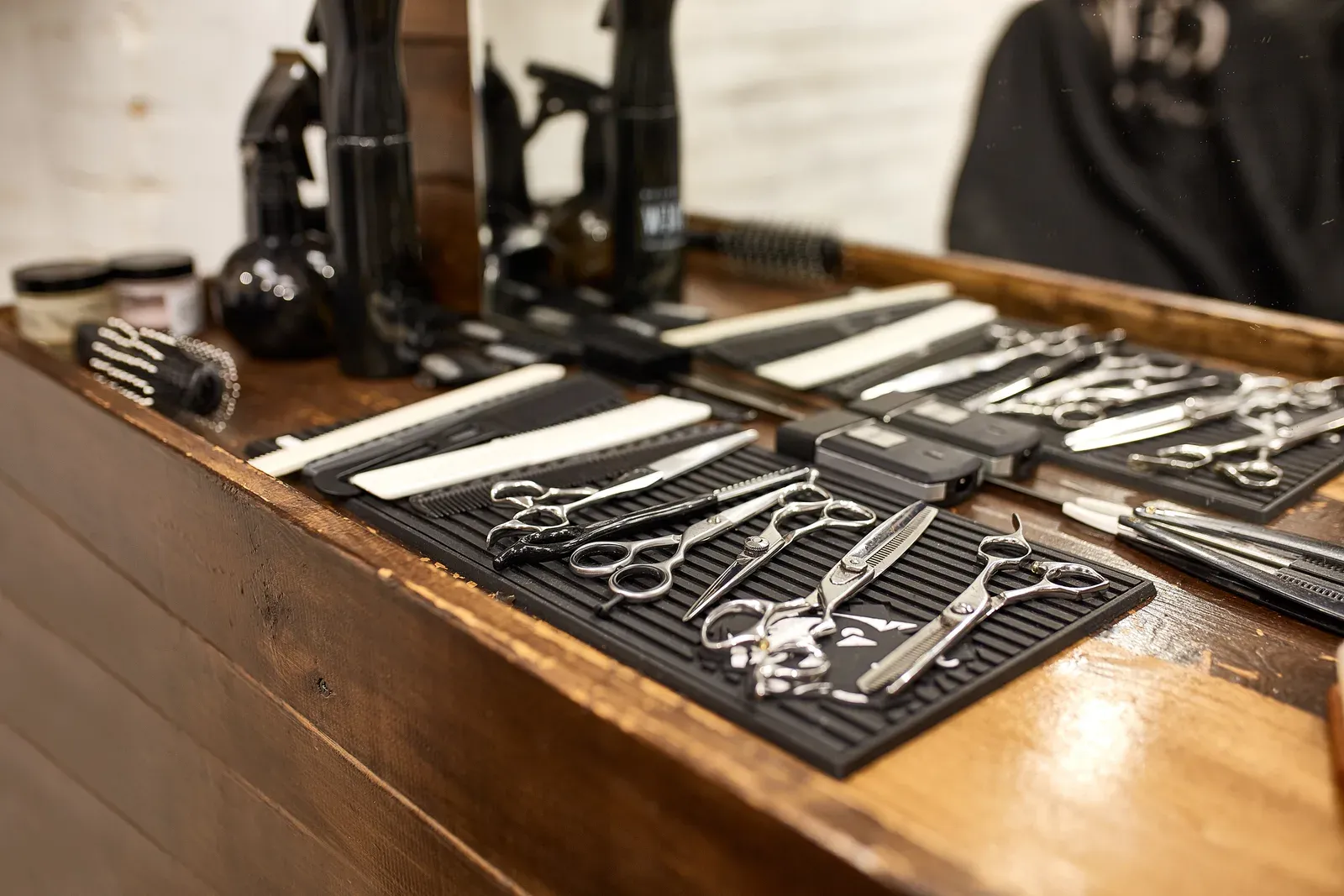
- Use clean, disinfected tools and a fresh neck strip for every client, as we always do.
- Wipe any hair clippings off your face and neck at the end rather than leaving them on the skin.
- Suggest a cut that keeps hair off the skin if your breakouts are on the forehead.
Hats, helmets, pillows and when to see a dermatologist
Friction and sweat under a toque, a ball cap or a hockey helmet can make breakouts along the hairline worse for some people. Wash or change headbands and caps often, and rinse your face and hair after sweaty sessions. Changing pillowcases regularly helps if you style your hair with product.
If breakouts are painful, leave scars, spread, or do not improve after a few weeks of changes, see a doctor or dermatologist. Acne often responds well to proper treatment. Our answer on how barbers sanitize tools explains the hygiene you should expect in any chair.
Haircuts for men with acne: common questions
Can a haircut cause acne?
A haircut itself does not cause acne. Irritation or bumps after a cut can come from razor work or clipper friction, which is a different issue; tell your barber if it happens.
Should I avoid a fade if I get neck breakouts?
Not necessarily. Ask for the fade to finish at a guard rather than skin, and skip the razor on the neck until the skin settles.
Is it OK to get a haircut with active acne?
Yes. We work around active spots and avoid the razor over them. If the skin is broken or very inflamed, it is worth seeing a doctor first.
Does washing my hair more often help forehead acne?
For some people with an oily scalp, washing more often keeps oil off the fringe and forehead. Use a gentle shampoo, and ask a dermatologist before changing any medicated routine.