
Haircut Styles
360 Waves: The Cut, the Brushing, the Durag and Wolfing
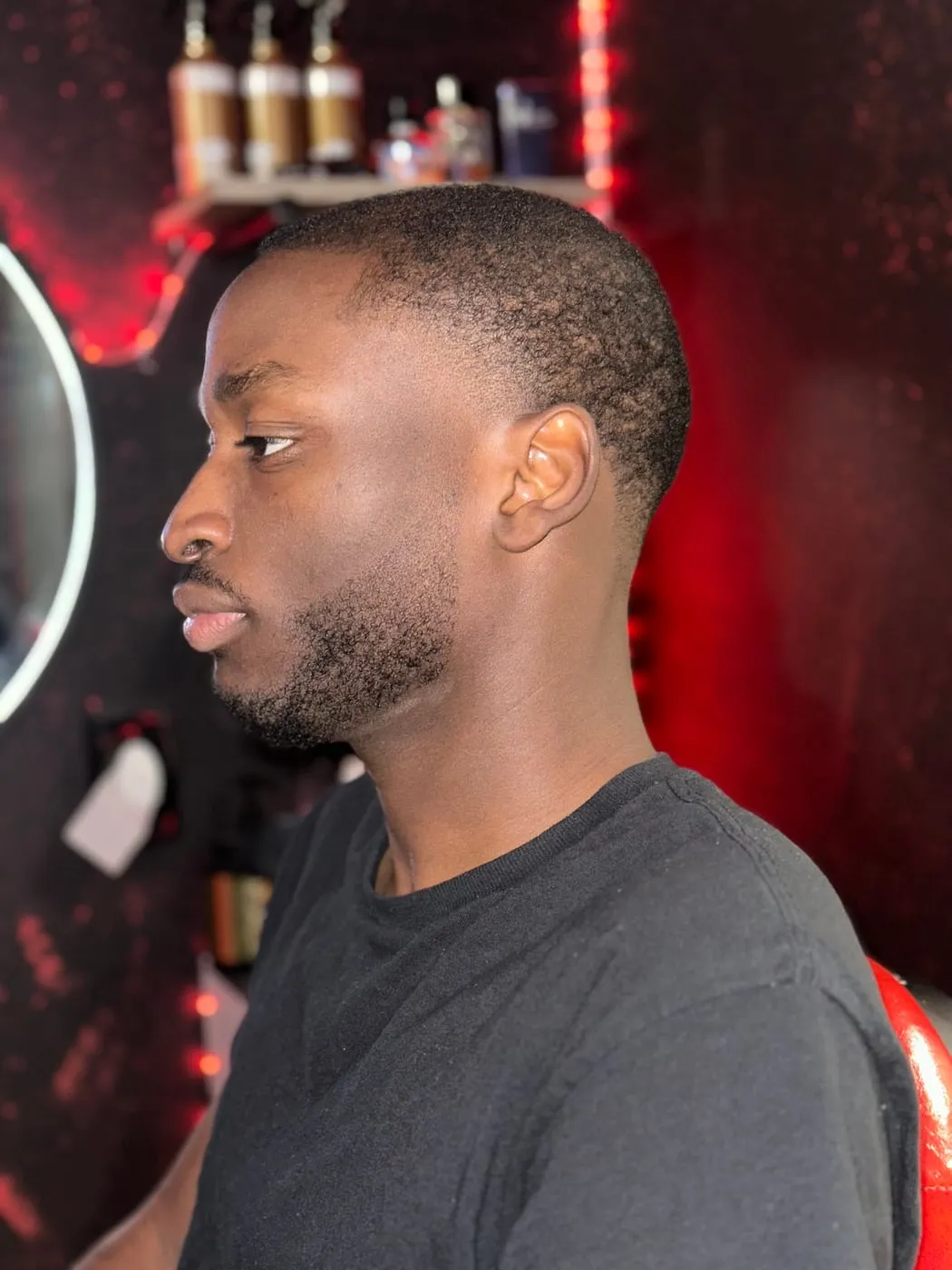
Short answer: 360 waves are a rippled pattern that circles the whole head from the crown, created by a short haircut cut with the grain, then trained with daily brushing and a durag worn to lock the pattern in. The cut is usually cut with a 1 to 2 guard on top with a taper or low fade at the edges. Most of the result comes from your brushing at home; the barber's job is to cut without breaking the pattern.

What actually makes a wave
Waves form when naturally curly or coily hair is kept short and brushed repeatedly in one direction until the curls lie down in a uniform ripple. The 360 pattern follows the direction hair grows out of the crown, spiralling outward, and the brush follows that same spiral.
The haircut sets the length, but brushing trains the pattern and the durag holds it overnight. Skip any of the three and the waves stay shallow.
Guard length and the direction of the cut
The top is typically cut between a 1.5 and a 2 guard, sometimes a 3 if you are early in the process and want more hair to work with. Too short and there is nothing to ripple; too long and the curls start to clump and kink instead of lying flat.
The most important detail is direction. For waves we cut with the grain, meaning the clipper moves the same way the hair grows. Cutting against the grain gets a closer cut but can disturb the lay of the hair and take the tops off waves you spent weeks building.
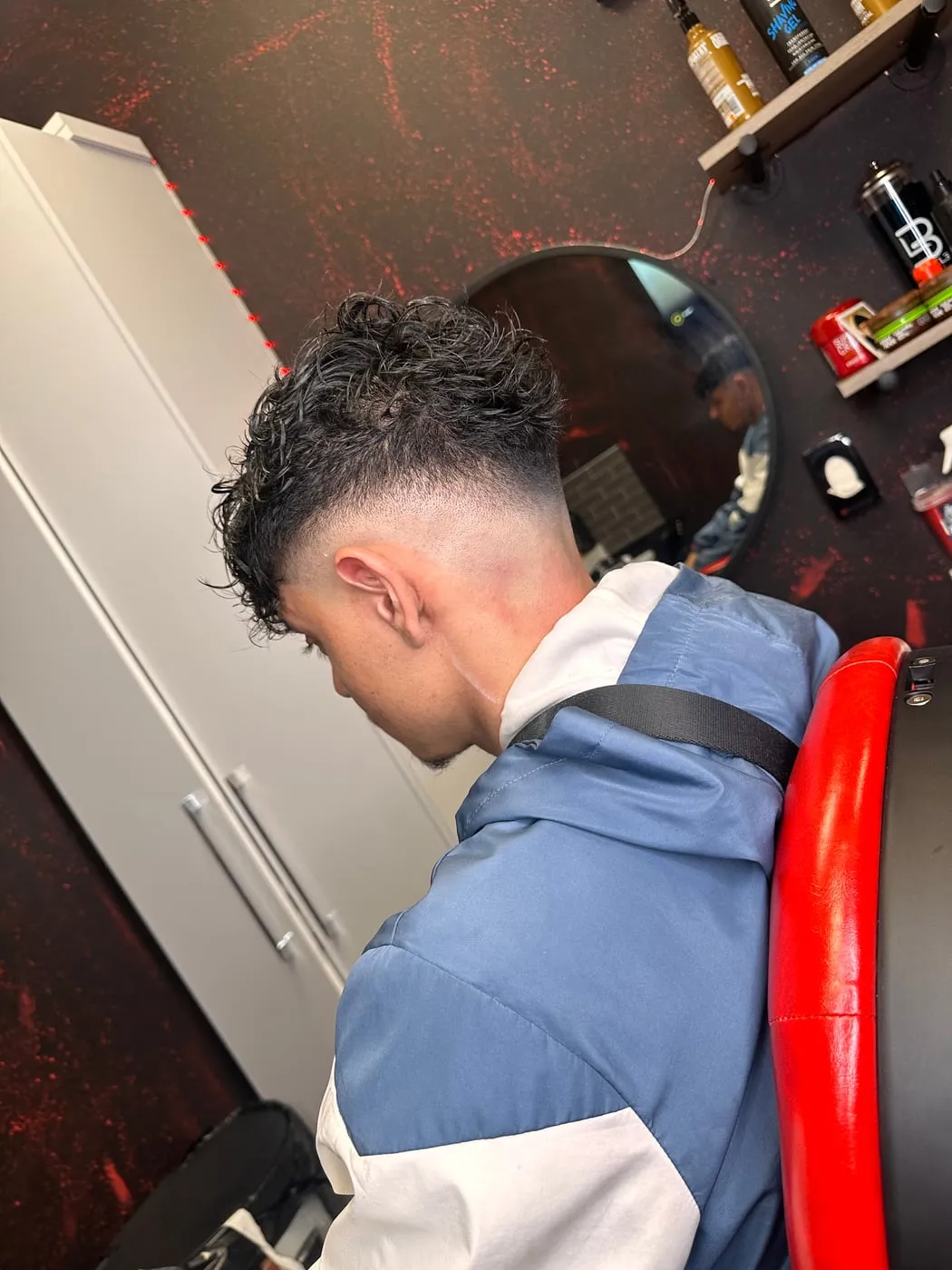
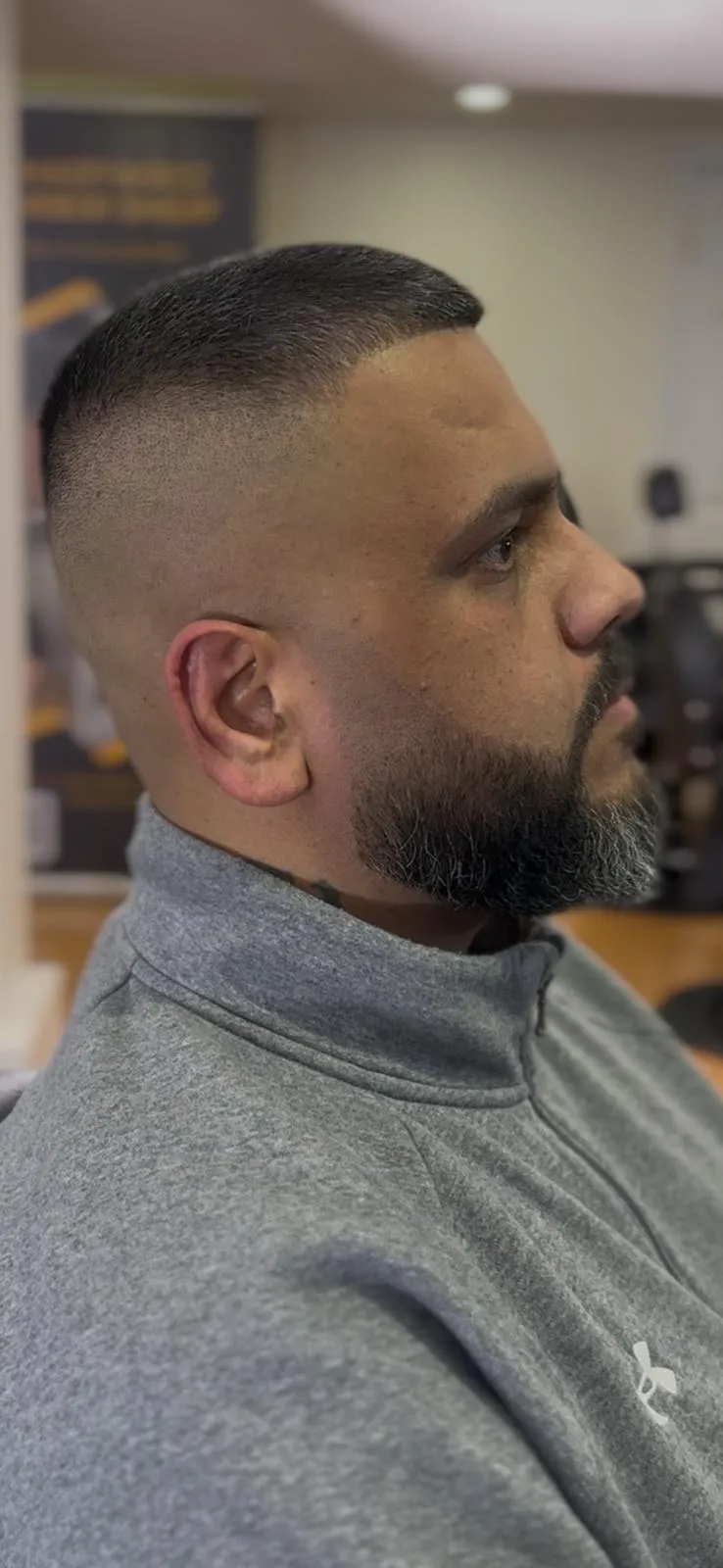
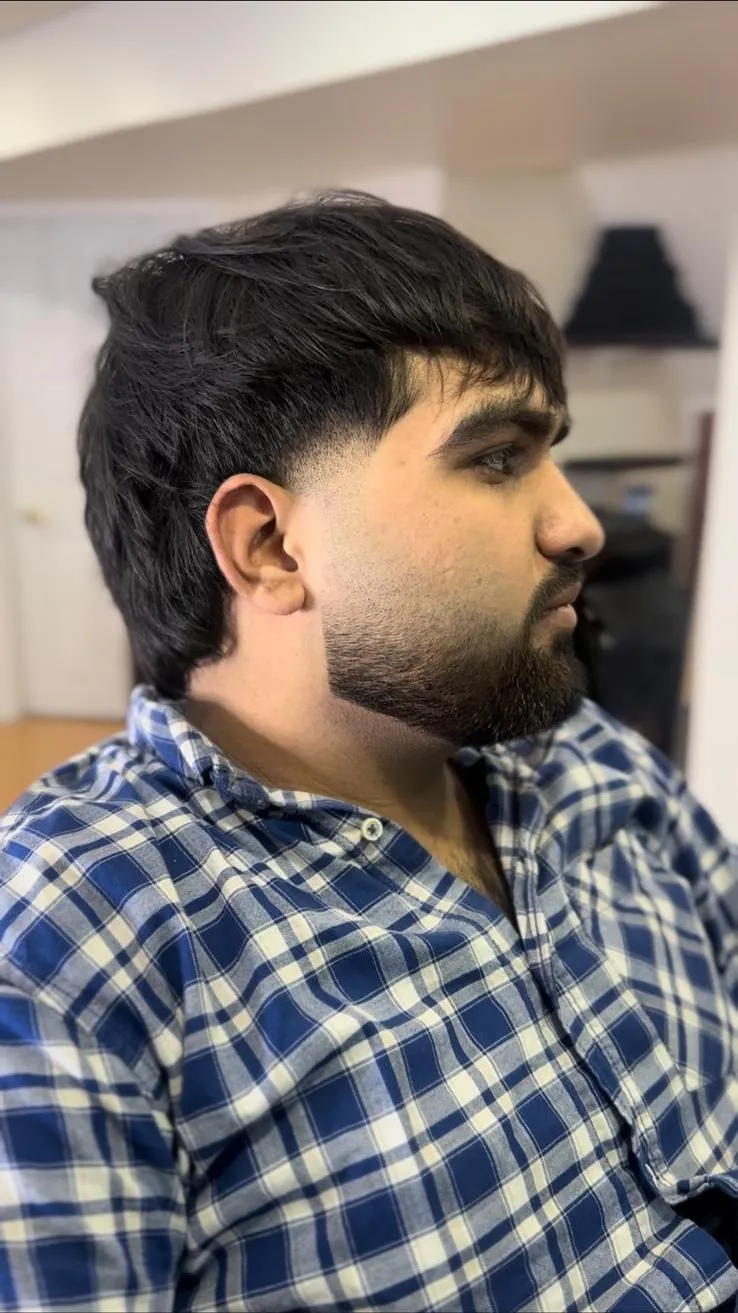
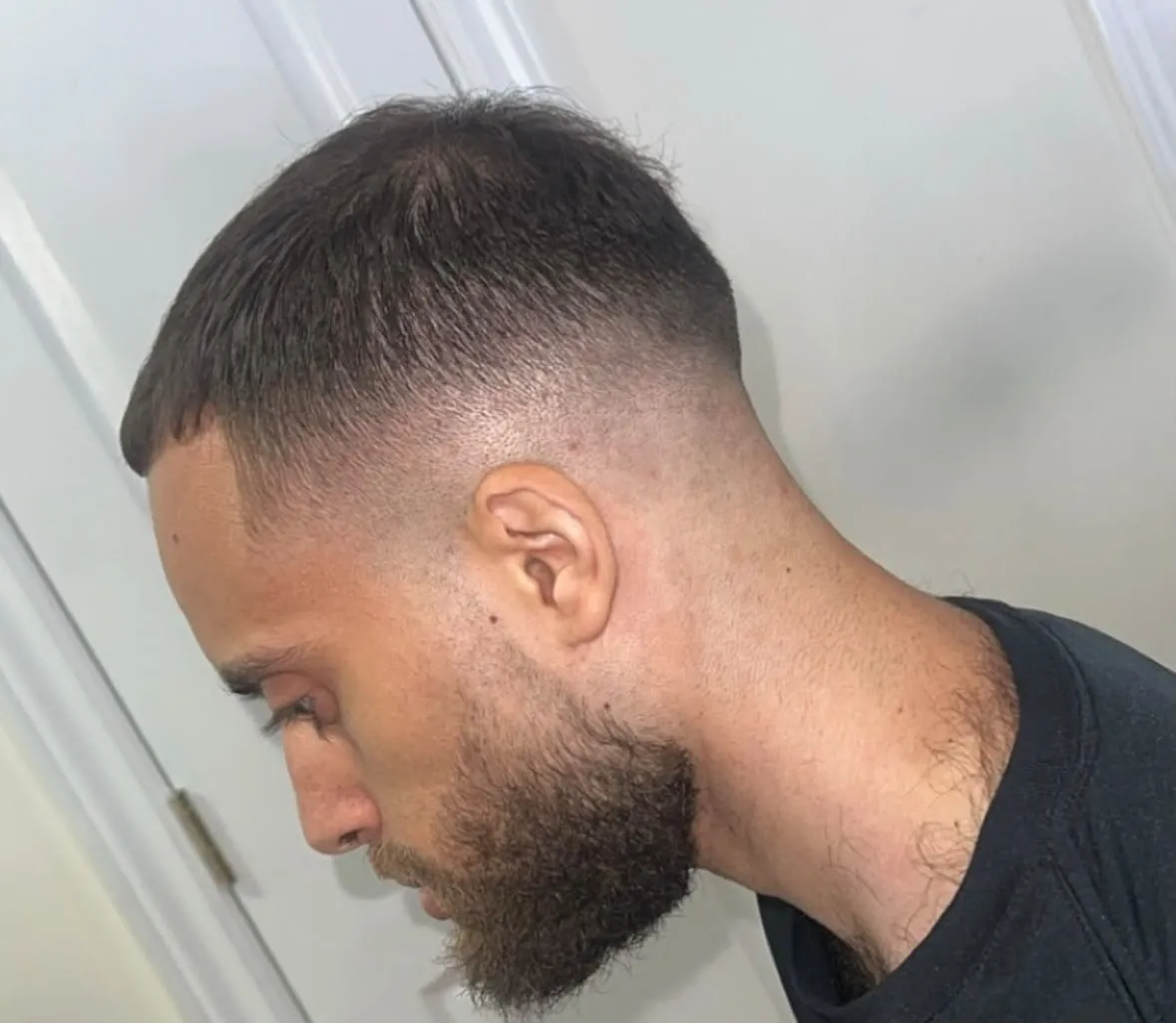
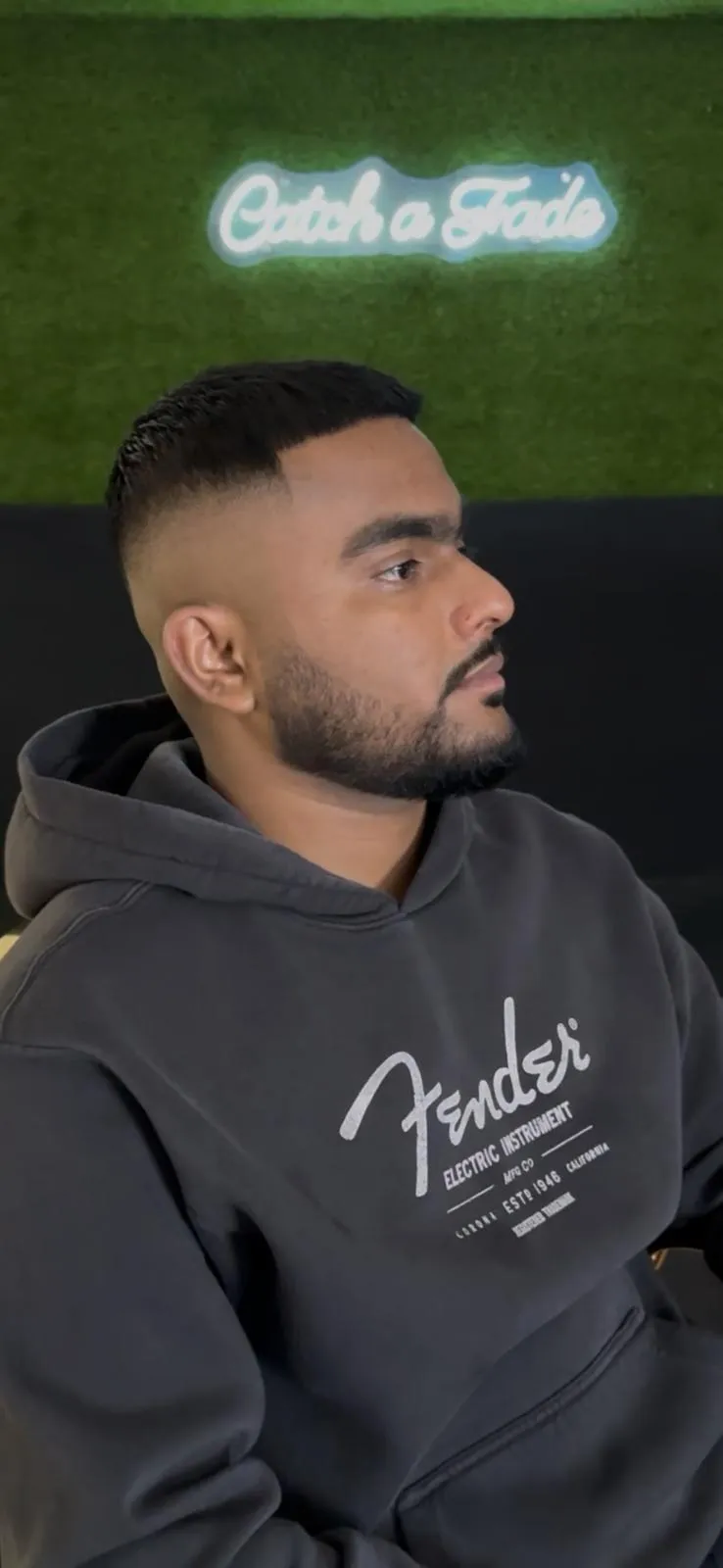
The edges get a taper or low fade and a clean lineup, which frames the pattern. A high skin fade removes too much of the wave area, so most wavers keep it low. For how guard numbers compare, see clipper guard numbers.
The daily routine that builds the pattern
Start with a medium boar-bristle brush; switch to a hard brush for the back and a soft one for the front and finishing. Our guide on how to wear a durag covers tying it flat so the seam does not leave a line across your forehead.
- Wet the hair lightly or wash it, then apply a wave pomade or moisturising cream.
- Brush from the crown outward, following the spiral: forward on the top, down on the sides, down and out at the back.
- Brush in sessions spread through the day rather than one long session; consistency matters more than force.
- Put on the durag while the hair is still slightly damp so it compresses the pattern as it dries.
- Wear the durag overnight and for a short time after each brushing session.
Wolfing: why wavers stop getting haircuts
Wolfing means letting the hair grow out for several weeks without a cut while you keep brushing. The extra length gives the waves more depth and definition, because longer hair lies down in bigger, more visible ripples. People often wolf for two to six weeks, then get a cut that brings back the clean look while keeping the deeper pattern.
The risk is that the edges and neckline get fuzzy during the wolf. If you come in mid-wolf, tell us how many weeks you are in and we will agree in the consultation whether the top is touched at all or whether we only clean the edges.
| Phase | What you do | What we do |
|---|---|---|
| Fresh cut | Brush and durag daily | Cut with the grain, taper, lineup |
| Weeks 1 to 2 of wolf | Brush more, keep moisturised | Nothing, or edges only |
| Weeks 3 to 6 of wolf | Keep brushing through the fuzz | Edge tidy if needed |
| Cut down | Resume the routine | Take the top down with the grain, keep the pattern |
How we protect the waves in the chair
Tell us you are waving before we start. We check your wave direction by looking at how the hair lies, then plan every pass around it.
We cut with the grain on top, use the same guard all over rather than blending in the usual way, and brush the hair between passes to see the pattern. The lineup follows your natural hairline, which is important since waves look best with a clean frame but a pushed-back edge is permanent until it grows. Every cut here finishes with a razor lineup; you can see how those edges look on our portfolio.
360 waves: common questions
How long do 360 waves take to show?
Many people see a faint pattern within a few weeks of consistent brushing, but deep, connected waves usually take a few months of daily work and at least one wolfing cycle.
Can straight or wavy hair get 360 waves?
Waves depend on a curl pattern that can be trained flat, so they form most easily on curly and coily hair. Looser textures can get a light ripple with a lot of product and brushing, but it is rarely as defined.
Should I brush right after the haircut?
Yes. Brushing straight after a fresh cut helps the newly short hair lie in the pattern; put the durag on once you get home.